
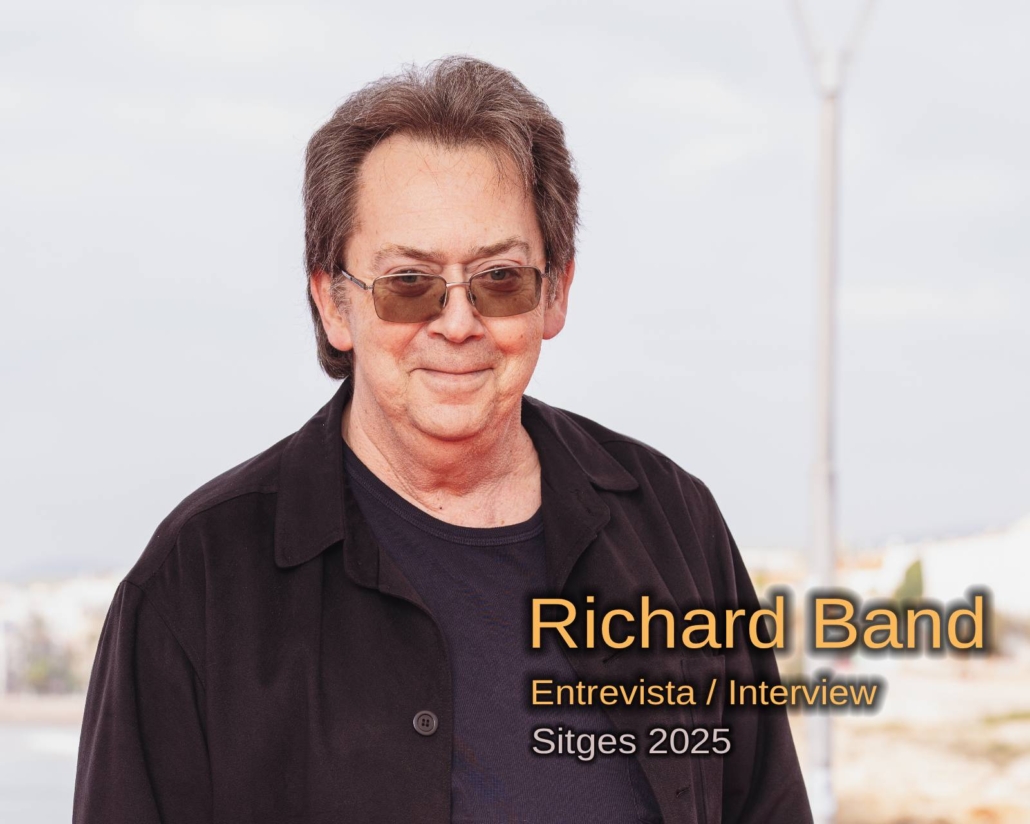
Richard Band – Sitges 2025 – INTERVIEW
As part of the Sitges Film Festival, and coinciding with the 40th anniversary of Re-Animator—the legendary horror classic directed by Stuart Gordon— composer Richard Band talks to Rafa Melgar, a regular contributor to SoundTrackFest and a passionate fan of horror films and soundtracks.

RICHARD BAND: 40 YEARS REANIMATING TERROR THROUGH MUSIC
By Rafa Melgar — Sitges Film Festival | Special for SoundTrackFest
Richard, Re-Animator turns 40 this year. How does it feel to look back and see how such a small film became a horror classic?
It’s hard to believe that something we made 40 years ago keeps growing, growing, and growing. In the end, when you make a horror or horror-comedy film (however you want to call it), you never really think it’s going to become one thing or another. In this business, you never know how something will perform—if we did, we’d all be rich, right? Obviously, it’s a great honor to be part of it, but I can’t forget director Stuart Gordon, who was key to everything, as well as to the films that followed. And I also can’t forget Brian Yuzna, who deserves a lot of credit as well.

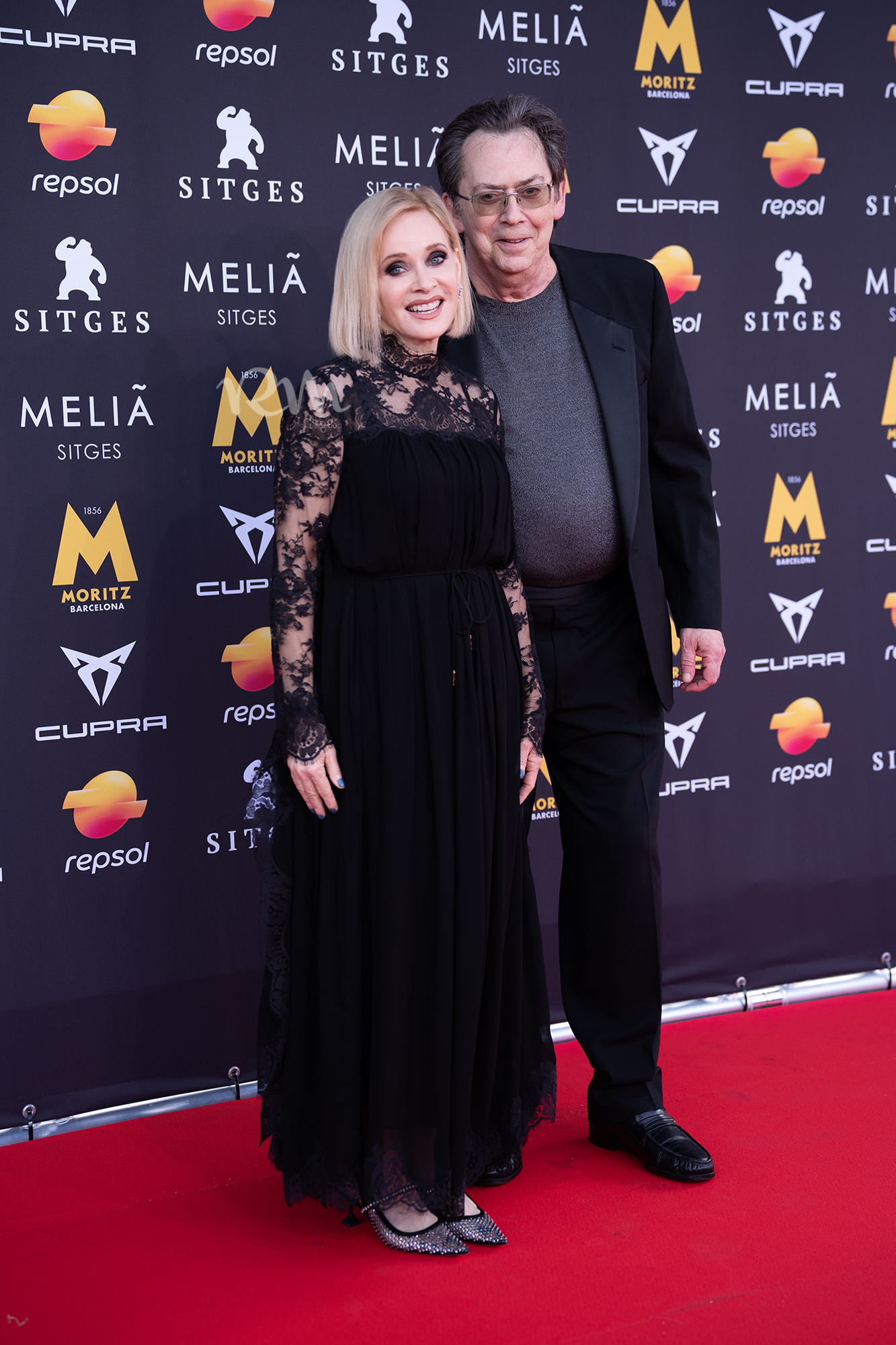
The music of Re-Animator is as iconic as the film itself. Do you remember your first meeting with Stuart Gordon, and what he specifically asked of you for the score?
That’s a really good question. In the beginning, with Stuart and Brian, they wanted it to be like the quintessential horror movie score, but after taking a look at it, I thought that approach wouldn’t really work very well. So we spent about a month going back and forth, trying to find the right direction for the music while I reflected on how I could approach it.I felt that if the music followed the typical tension-and-suspense formula, a lot of the film’s essence would be lost. So I tried to explain that I wanted to do something different — to focus more on the comedic side, but in a lighter way. It still had to include the typical elements of a horror movie, but also its share of humor. Because I didn’t want audiences to just run away terrified. For me, music is the soul of the film, so I kept convincing them of this idea, and in the end they liked it. The intention evolved a bit from start to finish, but what I wanted was simply less drama. I wanted the audience to experience the horror, but through laughter — because what was happening in the film was so outrageous that it was important for viewers to give themselves permission to laugh. It was really a way of saying: “Have fun with it.”
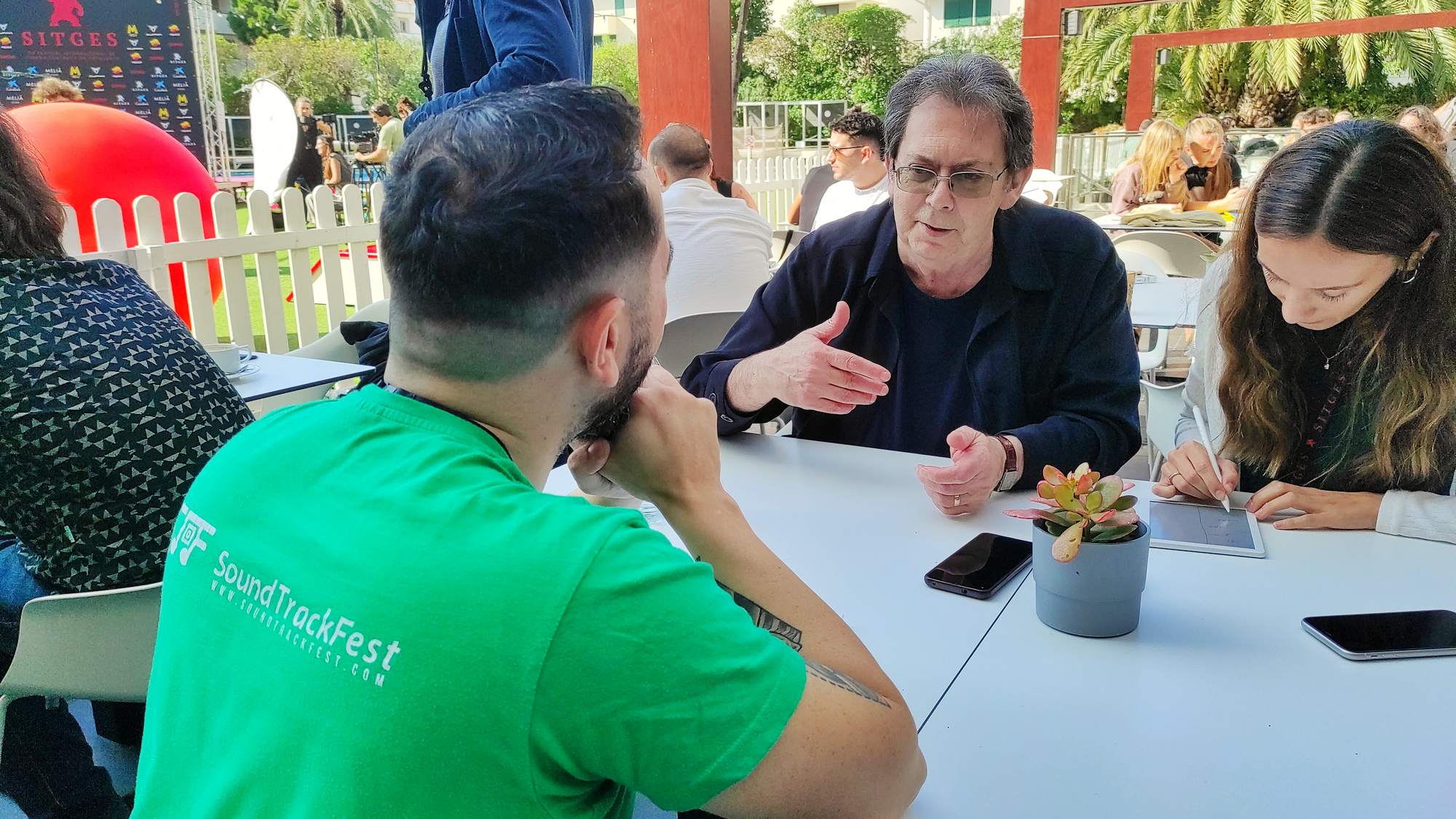
Would you say that this exact balance between horror and irony/comedy is what made the music so successful?
Exactly. That was the most important thing.

I know you’ve mentioned this many times before, but I’d like to talk about your homage to Bernard Herrmann’s Psycho. Was that a conscious reference from the beginning, or did it come about more naturally during composition?
What I wanted was for the audience to immediately recognize a connection with Psycho’s score. Yes, it came from a conscious place — but I wanted to make it my own, something people could also associate with me. I used musical motifs that were instantly recognizable. The relationship between such a famous film score like Psycho and Re-Animator allowed people to accept what they were hearing — that it was a tribute to Bernard Herrmann in my own style. In fact, in the original film I wanted the end credits to include a small note saying, “This was created as a tribute to Bernard.” Unfortunately, it never appeared in the film’s credits, but it has been included in later soundtrack album releases.
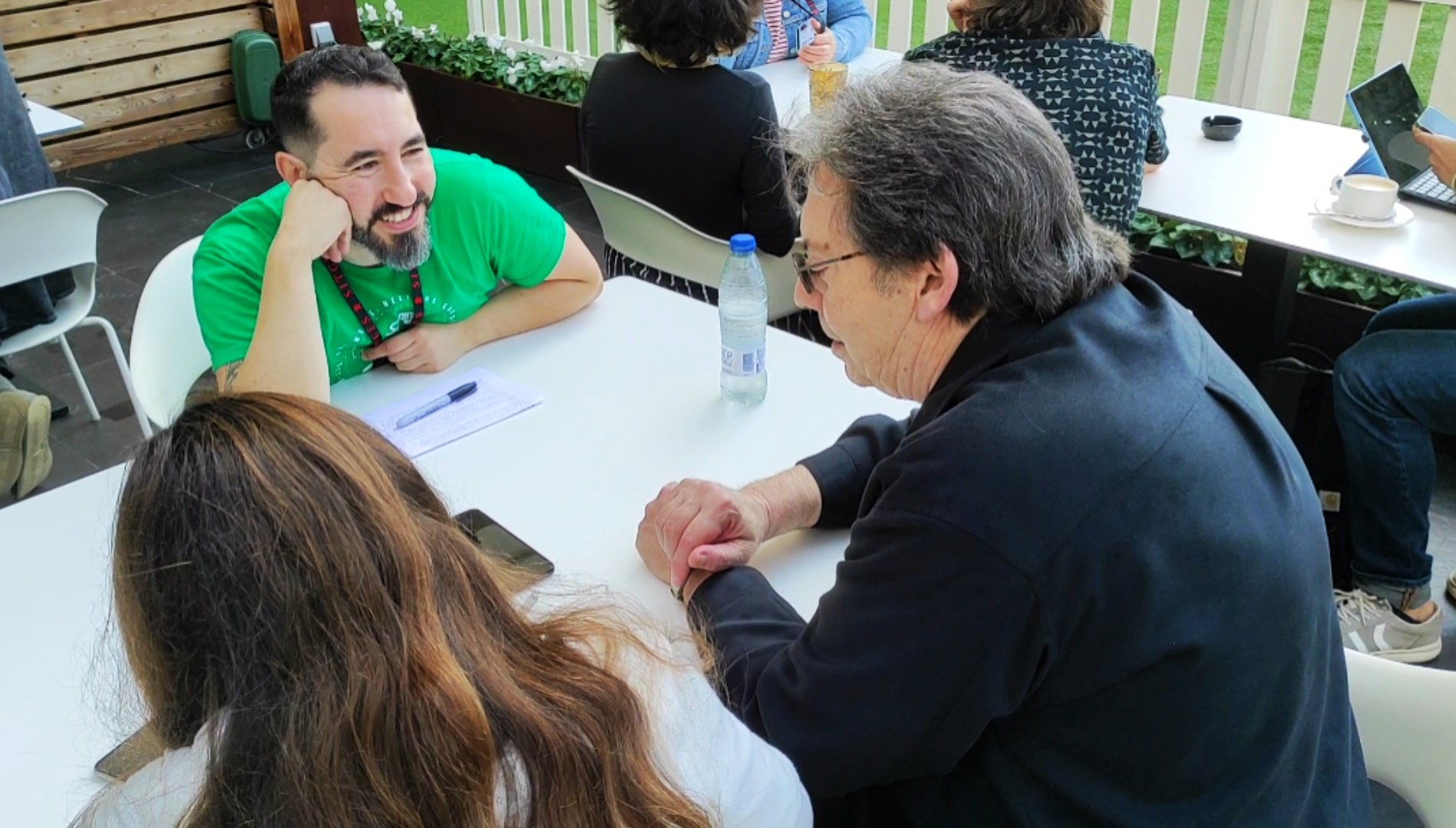
In relation to that, did you receive any negative feedback or accusations of plagiarism?
Personally, never. But the production did receive a message from the Bernard Herrmann Society saying they weren’t entirely comfortable with how the music had been handled. That’s all. We never received any accusation of plagiarism or anything like that. On the contrary, I’d say that 99.99999% of people understood the joke — that it was a way to pay tribute through my own music. We never received any legal notice or request to remove the score or anything of the sort.
Most of your film work has been on low-budget productions, and that naturally means the music budget is also small. How does Richard Band manage to make his music sound so symphonic and orchestral without actually having a full orchestra?
(*He jokes, pretending to pull money out of his own pocket and put it on the table, implying that sometimes he had to pay for it himself, laughing.*)
I’ve always believed that even in low-budget films, it’s important to elevate the movie so that the production value comes through in the music. Yes, I actually had to invest quite a bit of my own money, which is why I’m not rich today. That’s also why I’ve always wanted my music to have that sophisticated orchestral sound that’s become part of my identity. I wanted to maintain a relationship between orchestral and electronic elements — using plugins and modern tools that allowed me to find shortcuts when needed. In the first 10 or 15 years, I worked with real orchestras, but as the budgets got smaller, I wanted to find ways to keep my signature sound. So I began combining techniques and sounds to preserve that quality. No matter how tough it was, I’ve always believed in doing my very best on every project — to maintain that quality and identity in my sound.
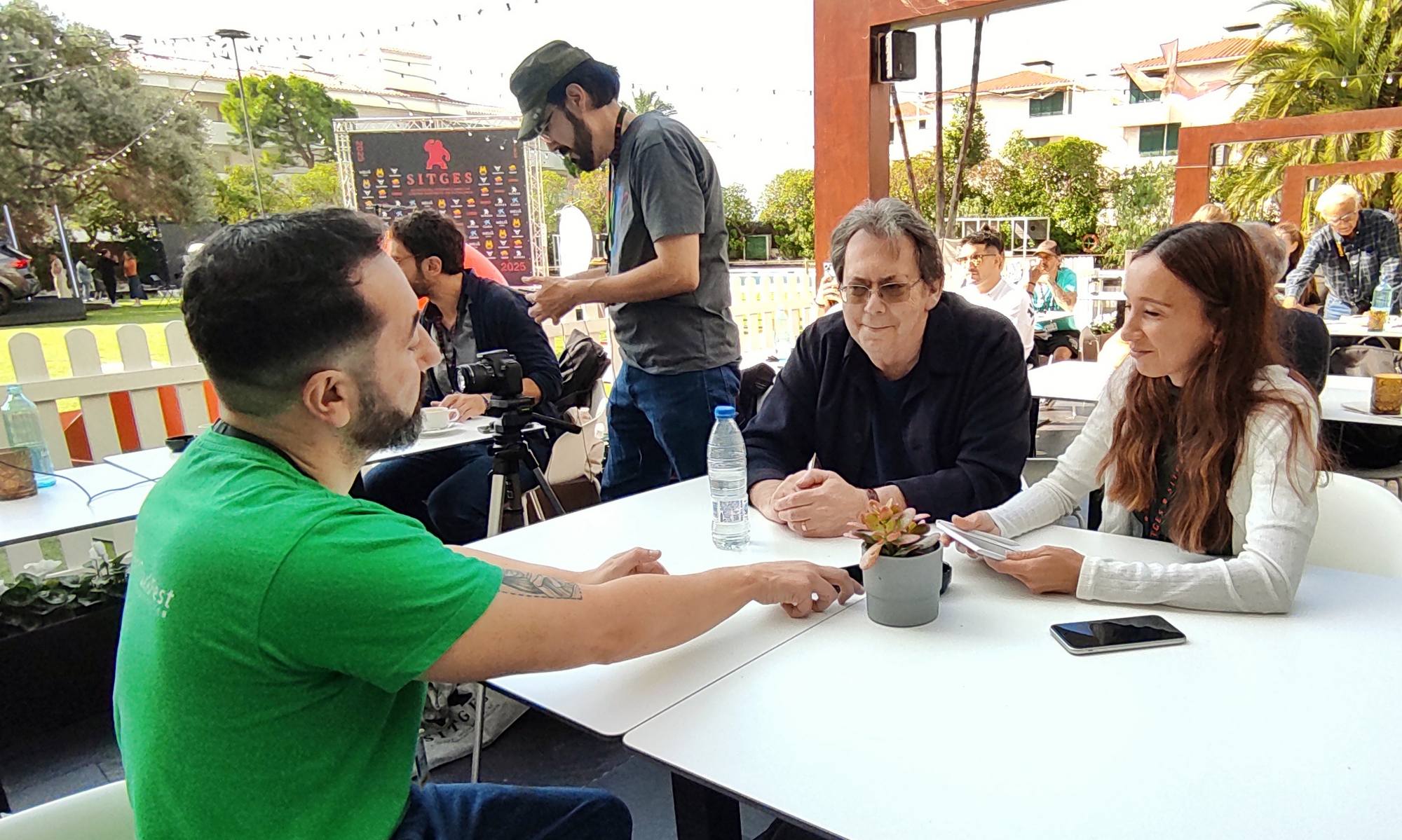
Finally, I’d like to know what it means for you to return to Spain, where your work has often been recognized.
This answer is very important to me: Spain is special for many reasons. When I was 11, my family lived in Rome. My father was a producer and writer back in the 1960s, during the golden age of cinema. He made all those spaghetti westerns of the time, so I grew up in that environment. When I was 11, he shot a film in Spain. We had dinner in Madrid at El Chotis, and then went to see a flamenco show — and I fell in love with the Spanish guitar. The next day, I bought one to teach myself how to play. Years later, I came back with my own band. We toured for about six or seven years. Basically, Spain means a lot to me because of music — it was what drew me into music in the first place, even before I got into film scoring. My true love for music was born that night in Madrid. Two years ago, I was invited to the MOSMA Festival in Málaga, where I received an honorary award for my career. We had two nights of concerts featuring my music with choir and orchestra — and I have to say, the fans in Spain are the best in the world. Why? I don’t really know. But I’m deeply grateful — the people are wonderful, the fans are amazing, the food is incredible, and I’m in love with jamón ibérico. It’s always a pleasure to come back to Spain. It’s a true honor.
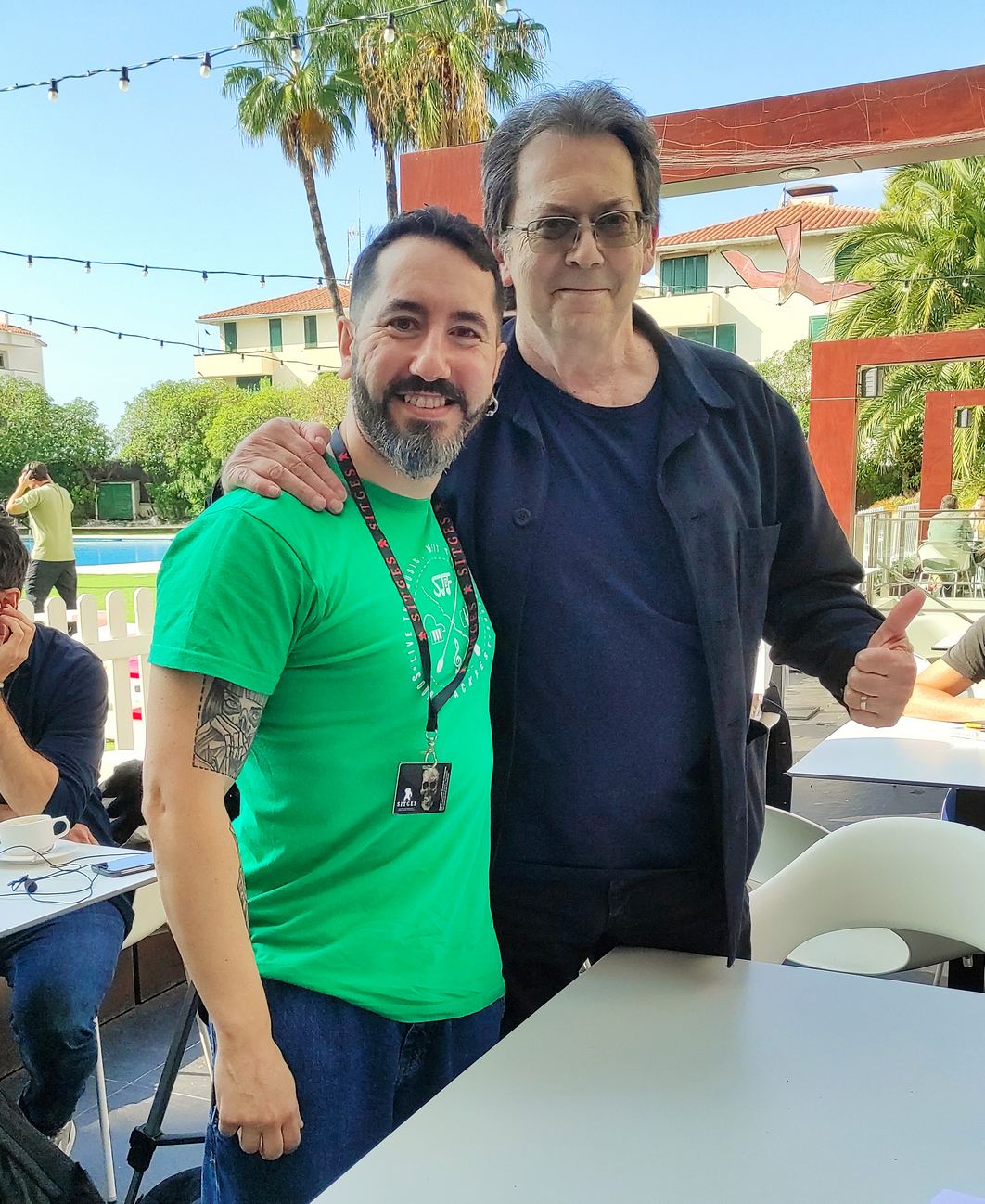
Article and pictures by Rafa Melgar


