‘Hans Zimmer Live – The Next Level 2026’ in Barcelona [SPECIAL ARTICLE]
On Thursday, March 26th, the Hans Zimmer Live – The Next Level 2026 tour arrived in Spain, stopping in Valencia (26/3), Barcelona (27/3) and Madrid (29/3).
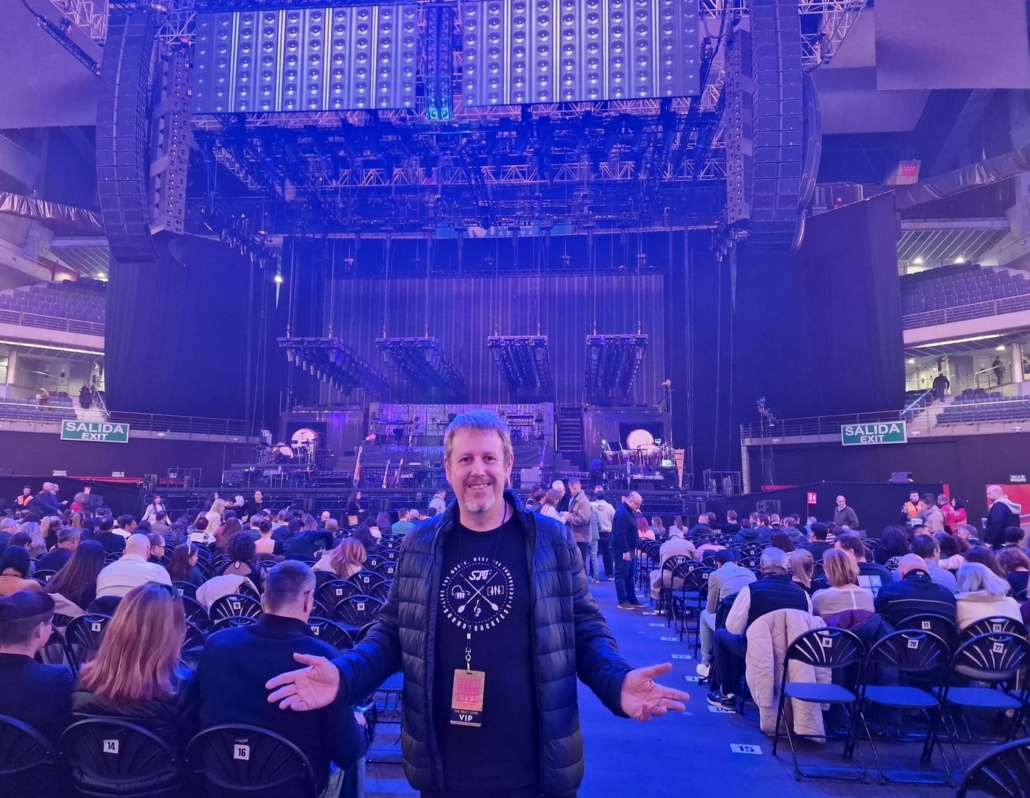
Our friend and colleague Coque Cano attended the concert in Barcelona and has written a wonderful and very detailed article exclusively for SoundTrackFest.

NOTE: You can also read a brief summary of the concert in Madrid on 29 March here (link).
HANS ZIMMER LIVE IN BARCELONA – by Coque Cano
Although this is not the first time Hans Zimmer has visited Barcelona or any of Spain’s main cities, his physical presence on stage is always a major event – something guaranteed in the ‘Live’ version of his shows, but not in the symphonic version, entitled ‘The World of Hans Zimmer – A New Dimension”, which has been announced will return to Barcelona, specifically on 8 May 2027 at the Palau Sant Jordi (read more).
These are two quite different yet complementary shows, so it goes without saying that both are highly recommended, especially for the German composer’s fans, who number in the thousands, as demonstrated by his popularity, which I would venture to say is unrivalled amongst film music composers.
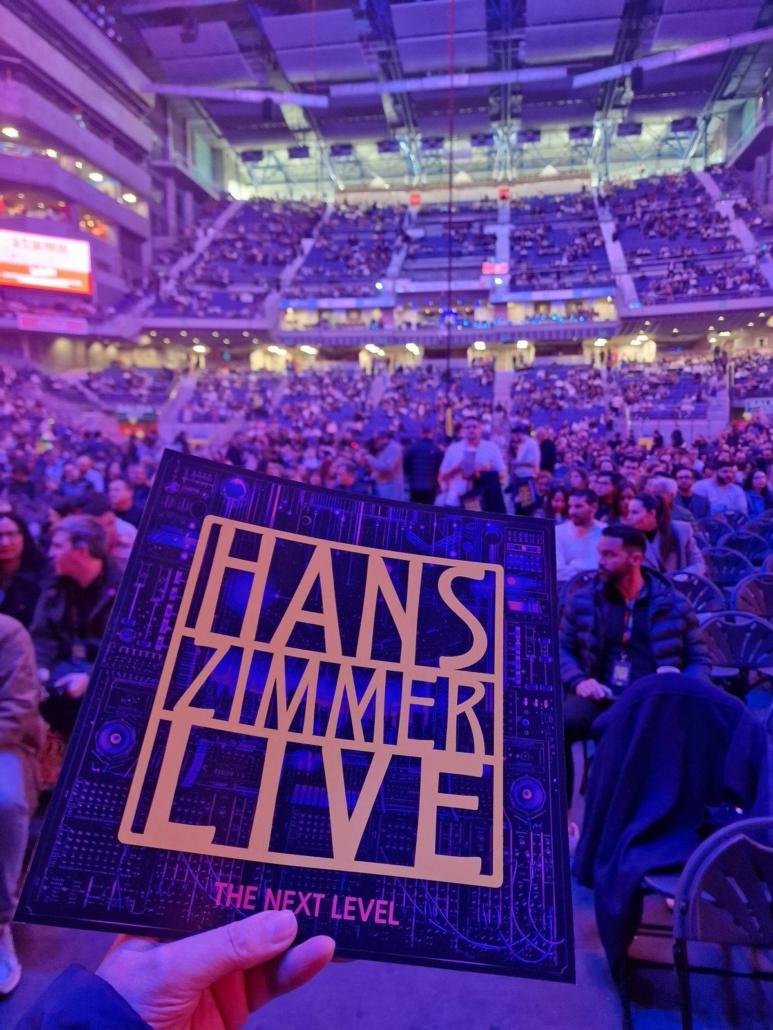
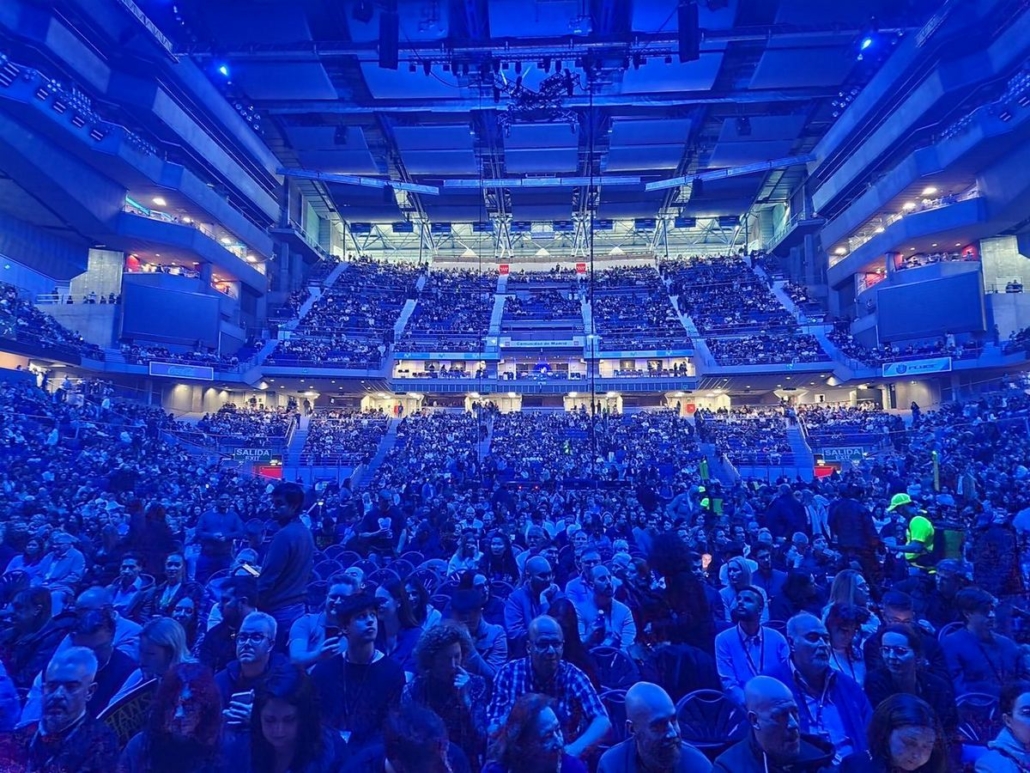
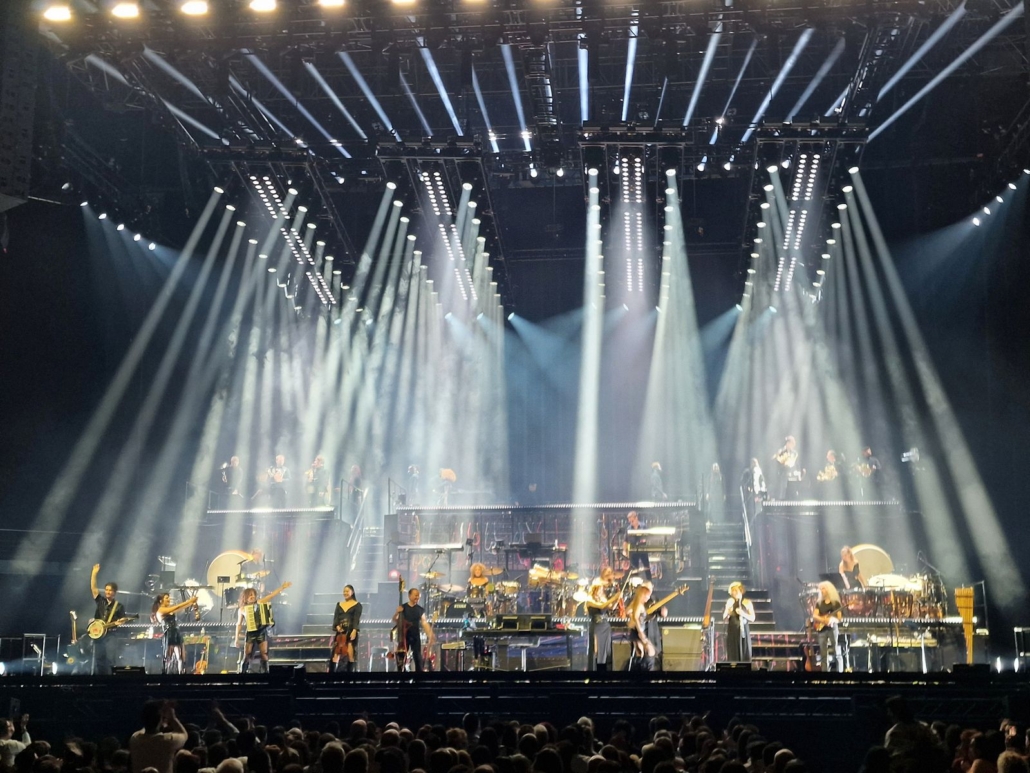
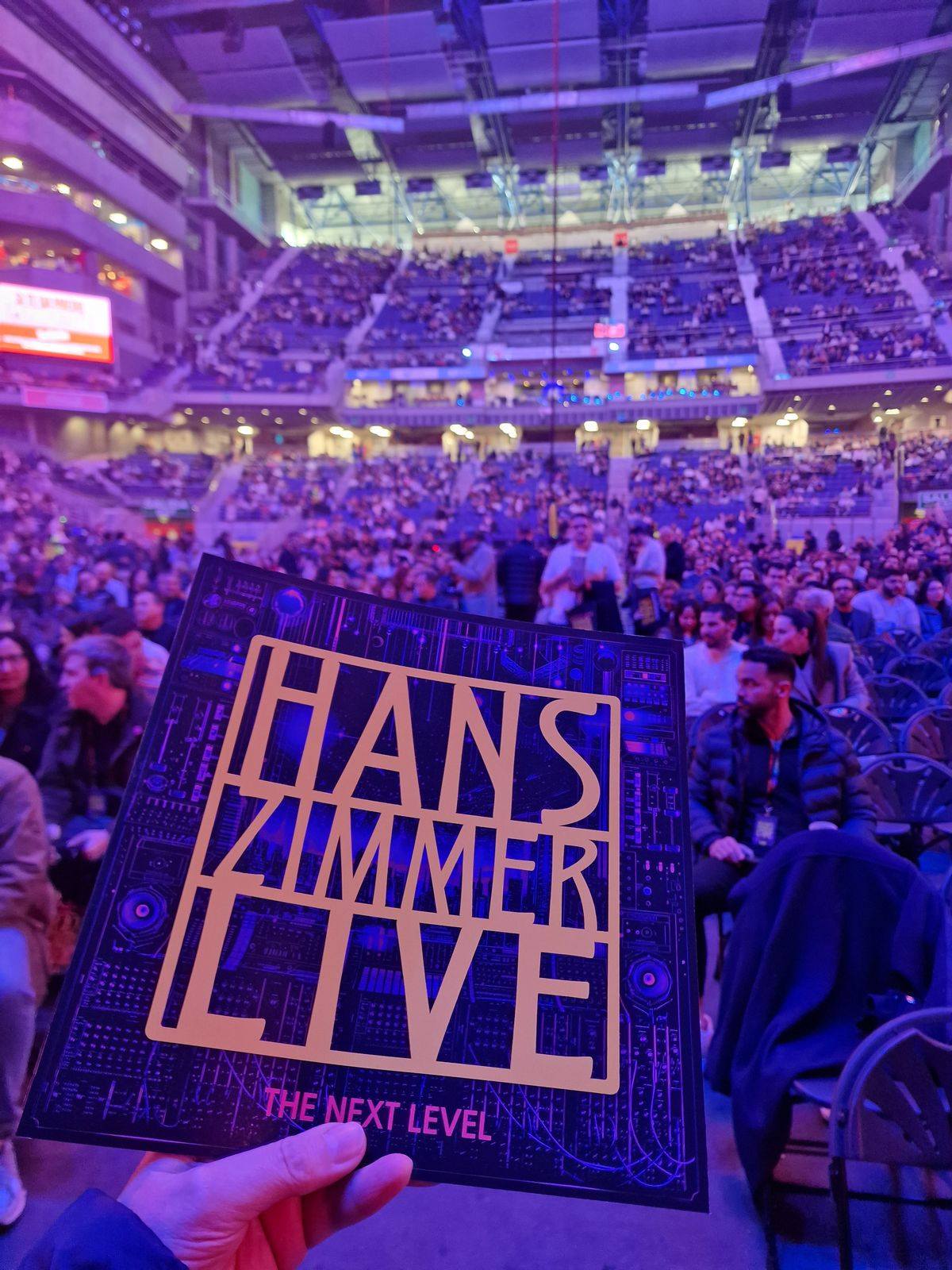
So much so that we can now count Hans Zimmer amongst today’s most commercially successful and popular musicians; the kind who sell out venues in a matter of minutes and perform on massive stages, as was the case at the Palau Sant Jordi for the concert in question, held on 27 March 2026 as part of the “Hans Zimmer Live – The Next Level” tour.
For those who are not familiar with it, “Hans Zimmer Live” in its current format kicked off on 11 March 2022 in Hamburg, Germany (read the feature article), setting itself apart from the existing “The World of Hans Zimmer – A Symphonic Celebration” (running since 2018 – read more about this tour), precisely because the latter consists of symphonic and therefore orchestral suites, featuring a choir, soloists and projections, all commissioned by the composer himself, though his presence is part of the show. Meanwhile the “Live” format is a reconfiguration of the traditional symphonic concert into a hybrid format in which orchestration, amplification, electronics, the prominence of the soloists and the stage design—including dance—form a single expressive fabric, with Hans Zimmer at the heart of the show.
Within these two formats, Zimmer has been active with his resounding and sustained success; and over the years, he has gradually removed and added elements, altered orchestrations or reinterpreted certain works, ensuring that his updates (right up to the recent “The Next Level” – read more) always offer experiences that are more or less new, or at the very least substantially different. This is a testament both to the passion he pours into this aspect of his career and to his respect for a global audience that idolises him and, whenever possible, returns for more.
As is always the case in such situations, the programme is satisfying yet almost inevitably leaves one wanting for more, as some will cheer the inclusion of their favourite pieces whilst others will find certain tracks missing that they associate with their love of the composer’s music. If I may, and whilst it is entirely understandable that Zimmer focuses on his more recent work which has cemented his fame, given that I have always preferred the early part of his career as well as his knack for comedy, I missed such wonderful titles as ‘Backdraft’, ‘Driving Miss Daisy’, ‘The Holiday’ or ‘Rain Man’ (although many of these have been included in previous versions of the show).
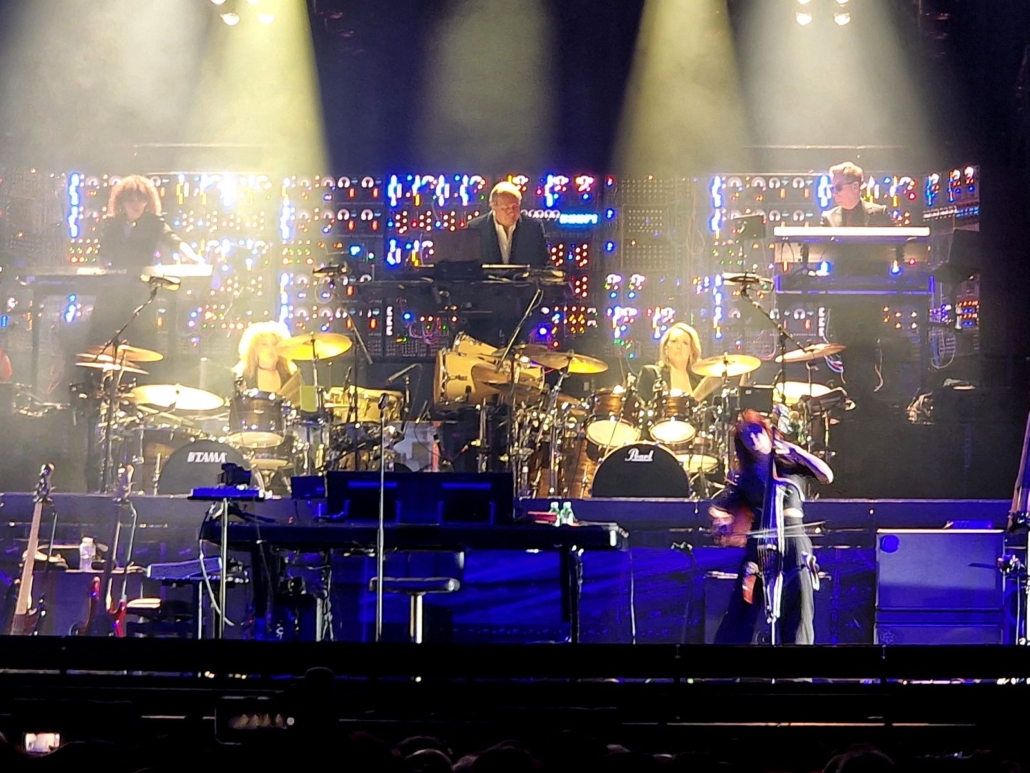
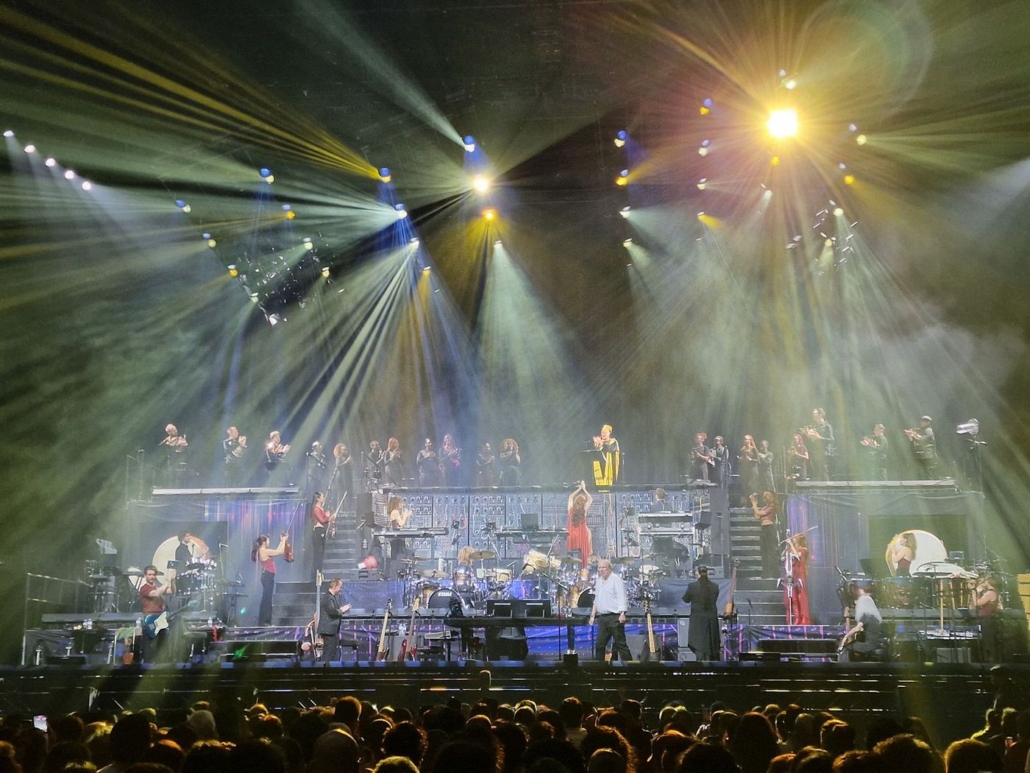
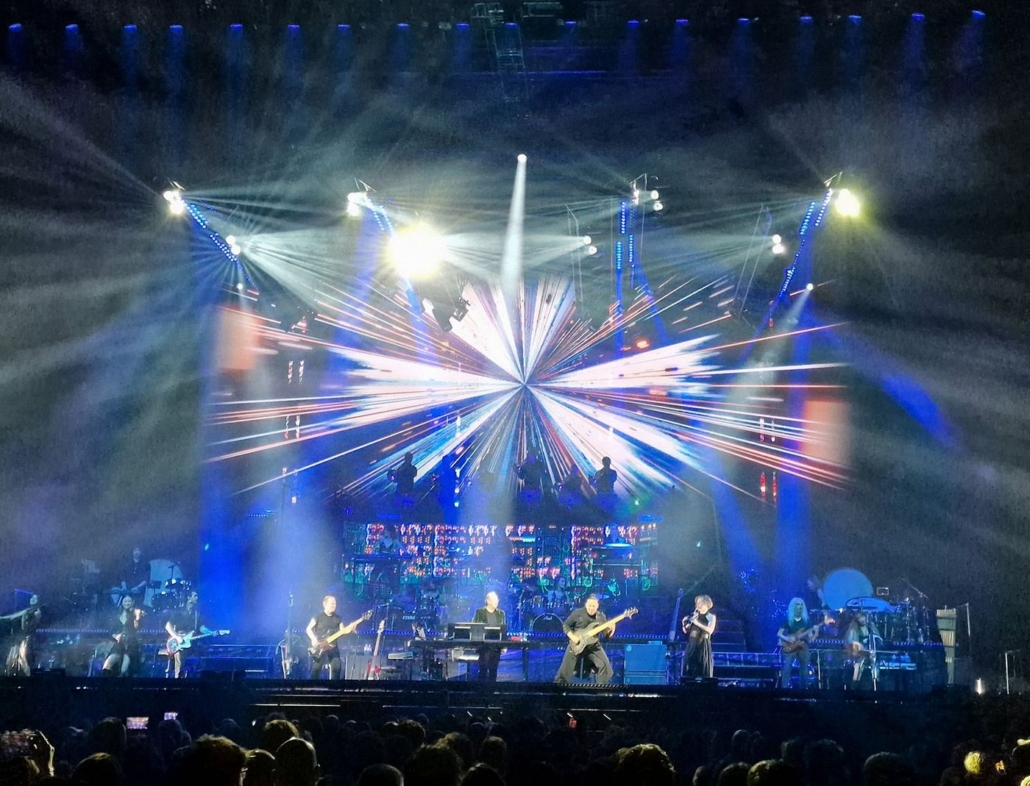
The concert began with a jolt that reverberated through the auditorium, almost like a 4D experience, with percussive beats and lighting effects that clearly signalled what was to come – something a far cry from your typical film music concert; a powerful and energetic show in which form took precedence over the literal nature of the piece, to the extent that, in some cases, such as this opening track, it was almost difficult to recognise which film it came from. It was his score for Christopher Nolan’s Batman (The Dark Knight), but in a heavily reworked version which nevertheless achieved its aim: to surprise and dazzle from the very first chord.
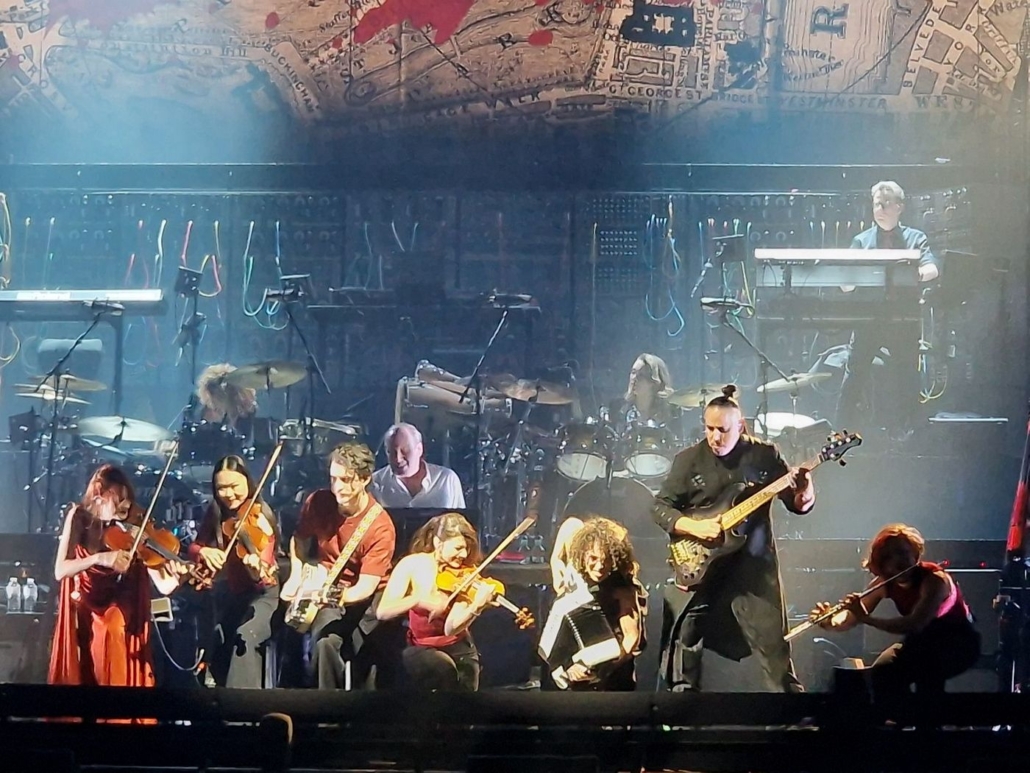
During this first half of a concert split into two parts, some of Zimmer’s most iconic scores were performed, such as Dune, The Da Vinci Code and Gladiator, as well as a surprise in the form of the solo cello piece from Hannibal and the more popular Sherlock Holmes (although it is one of his most thought-provoking works, in my view).
I’m not saying that those three scores weren’t successful – they certainly were – but for some reason, they struggled a little to really take off, whereas the second half maintained that momentum throughout, with works such as Inception, Pearl Harbor, Dune once again, Interstellar, and especially The Lion King and Pirates of the Caribbean, which made for a spectacular show—visually too, as we shall see—and were joined by a couple of very welcome surprises, such as the recent (and very well-suited to this format) F1, and the unusual but magnificent Tears of the Sun, which, incidentally, served to showcase the African choirs.
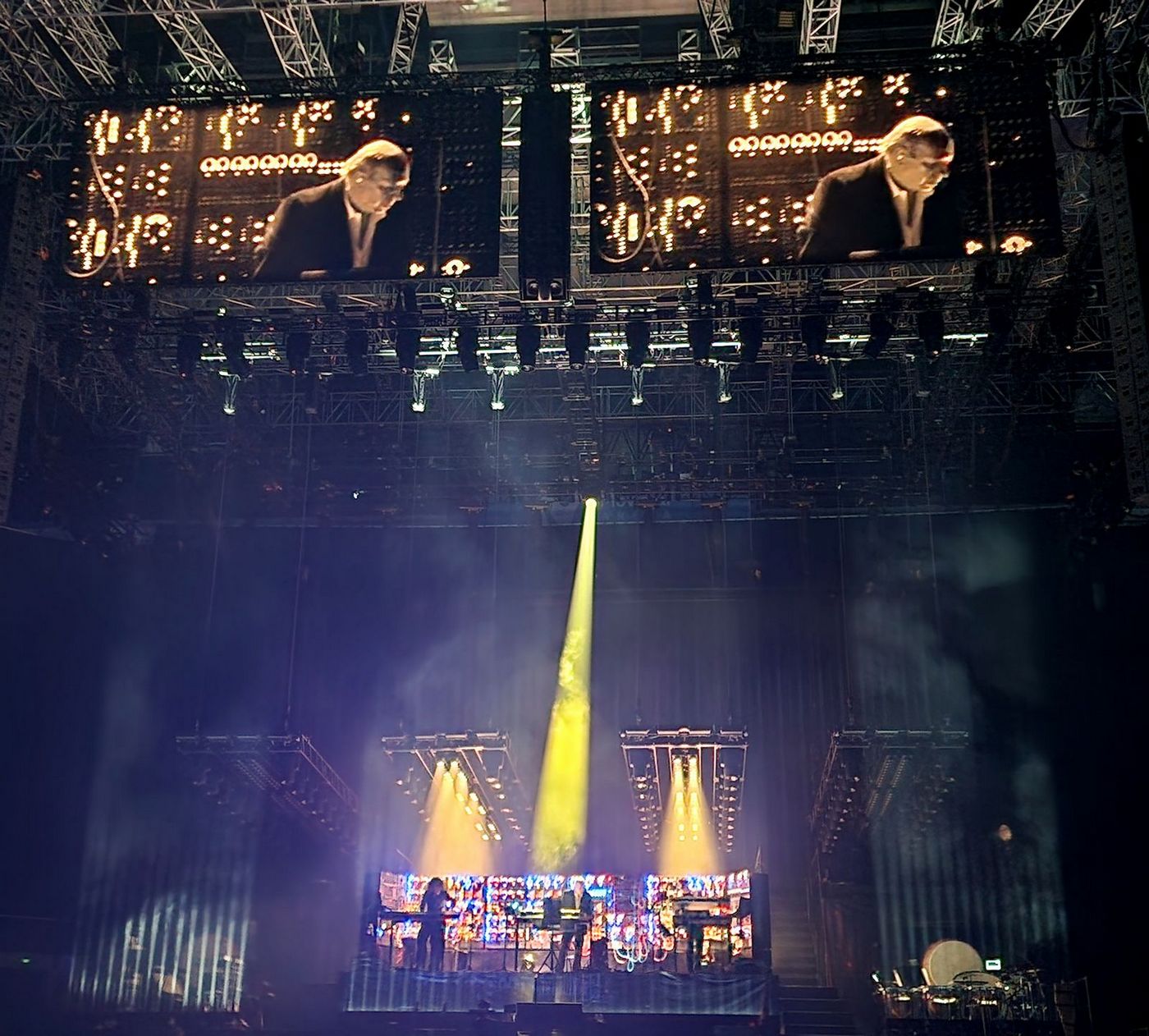
At the Palau Sant Jordi, the double Oscar-winner’s characteristic layering of music created a sound of great physical impact, generally very aggressive and with strong rhythms, although there were some moments of relaxation and mysticism, also very characteristic of the composer. But if anything stood out, or at least gave the impression of winning the day, it was the power and epic scale of Zimmer’s work and that sense that it can always reach a little further, that it can still expand with every step taken by his customary crescendos based on the repetition of phrases. In short, pure adrenaline—not for the faint-hearted. And pure Zimmer, for that matter.
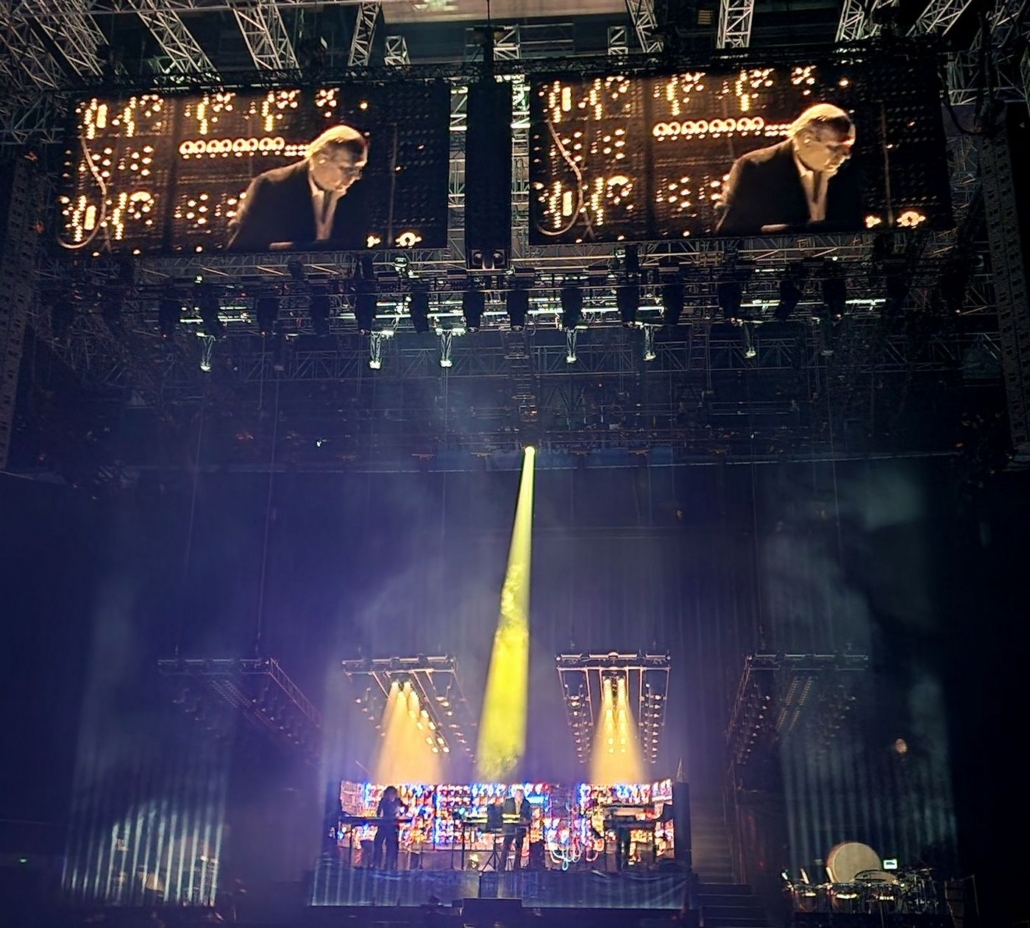
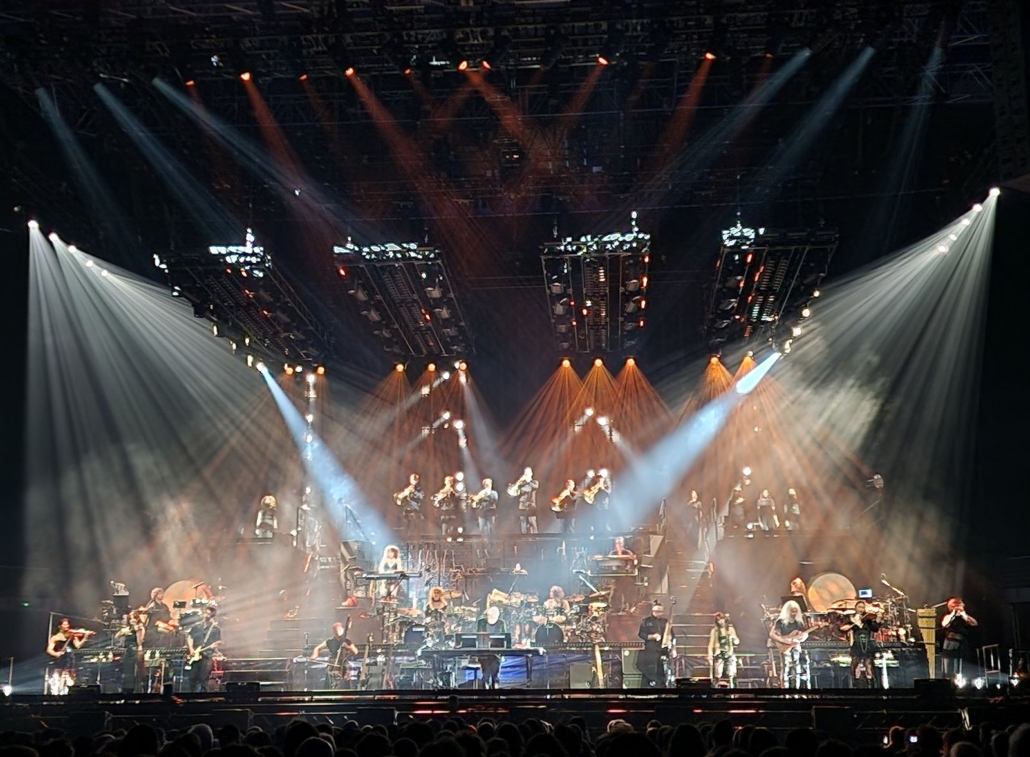
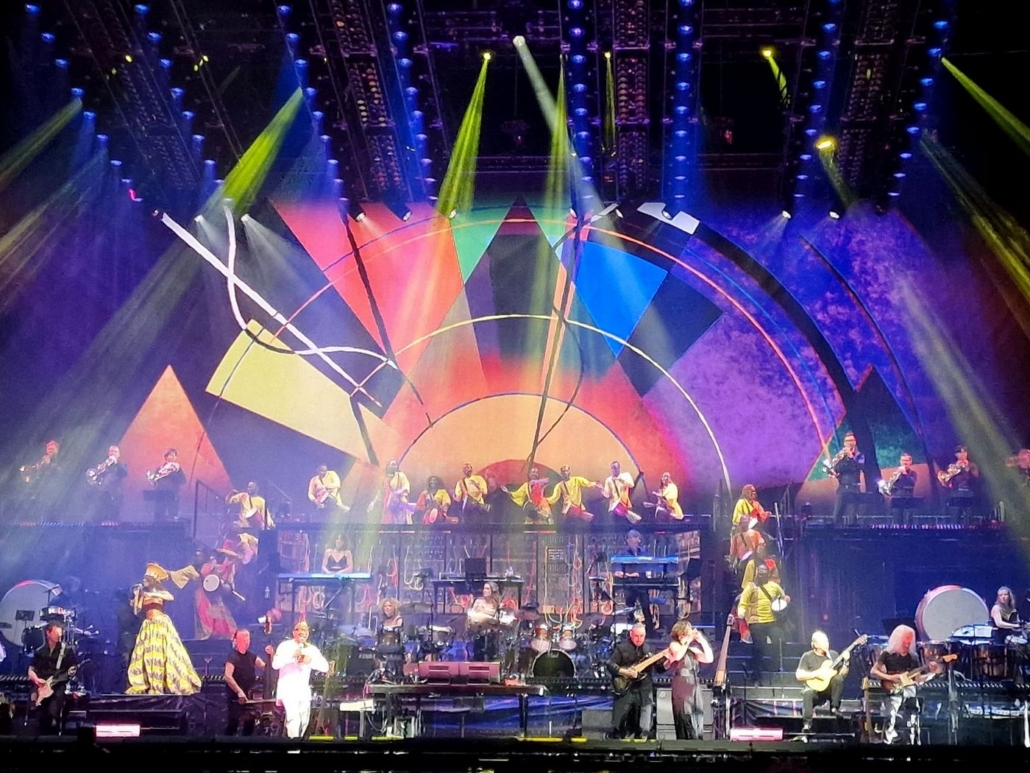
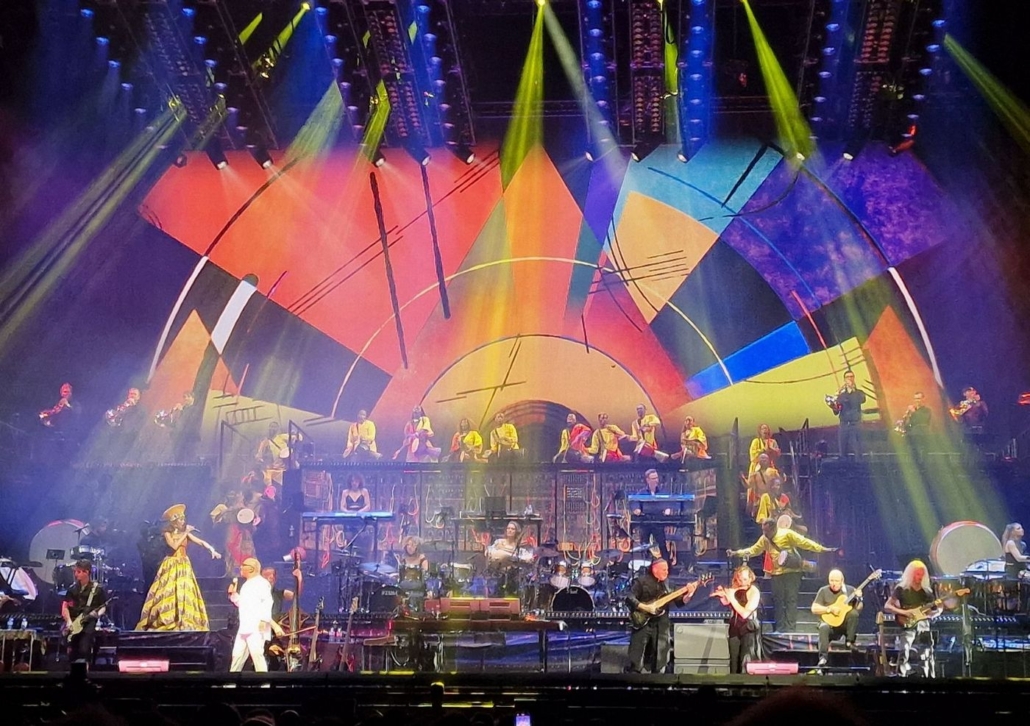
In a venue such as the Palau Sant Jordi in Barcelona, or the Roig Arena in Valencia (where the concert on 26 March took place), or the Movistar Arena in Madrid (where the concert on 29 March was held), this kind of composition can prove immensely effective, as the emotion arises from the projection of sound into the space and the way the timbral spectrum expands to fill the entire venue, supported by spectacular lighting and staging. Frankly, few shows offer anything similar, and certainly none related to film music.
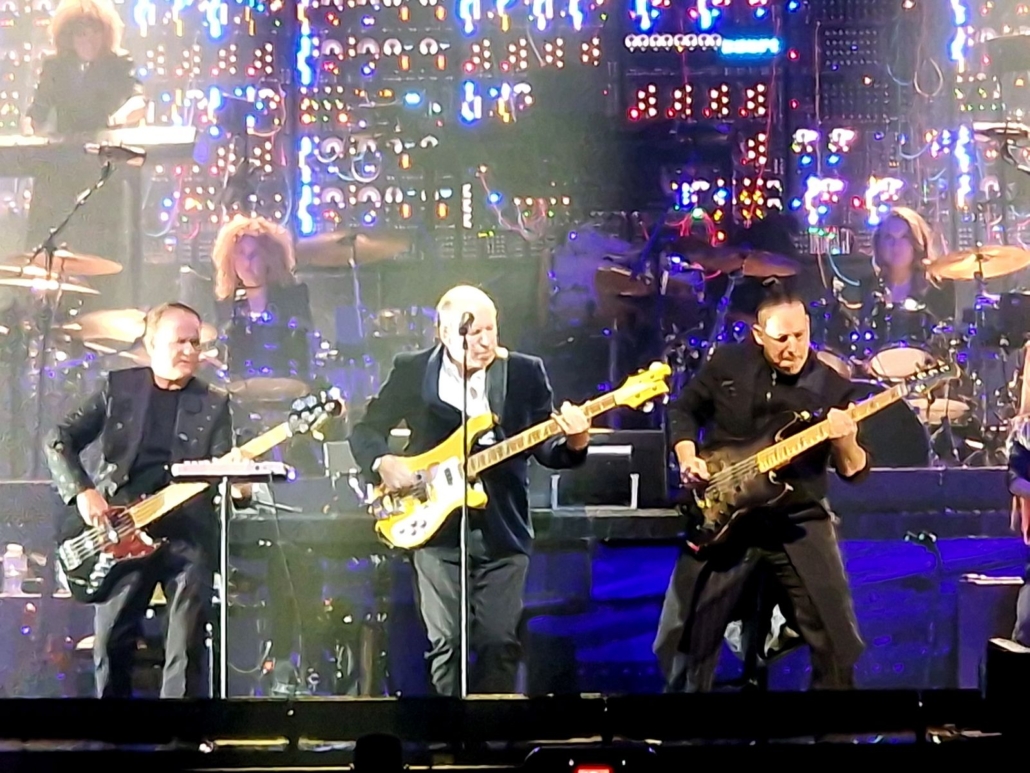
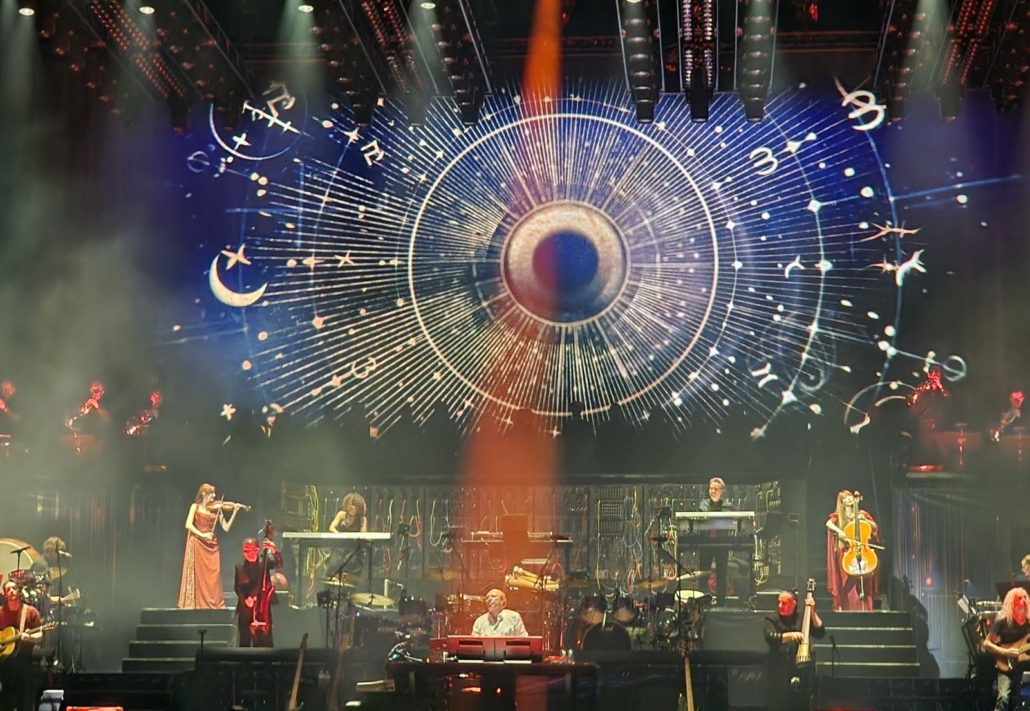
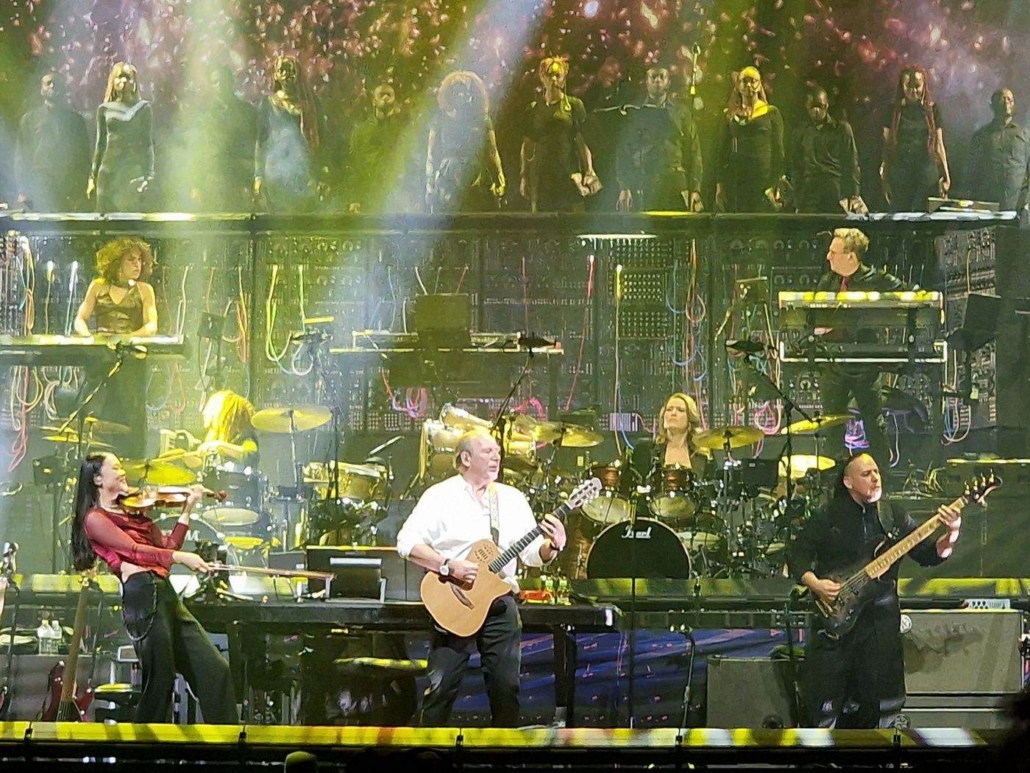
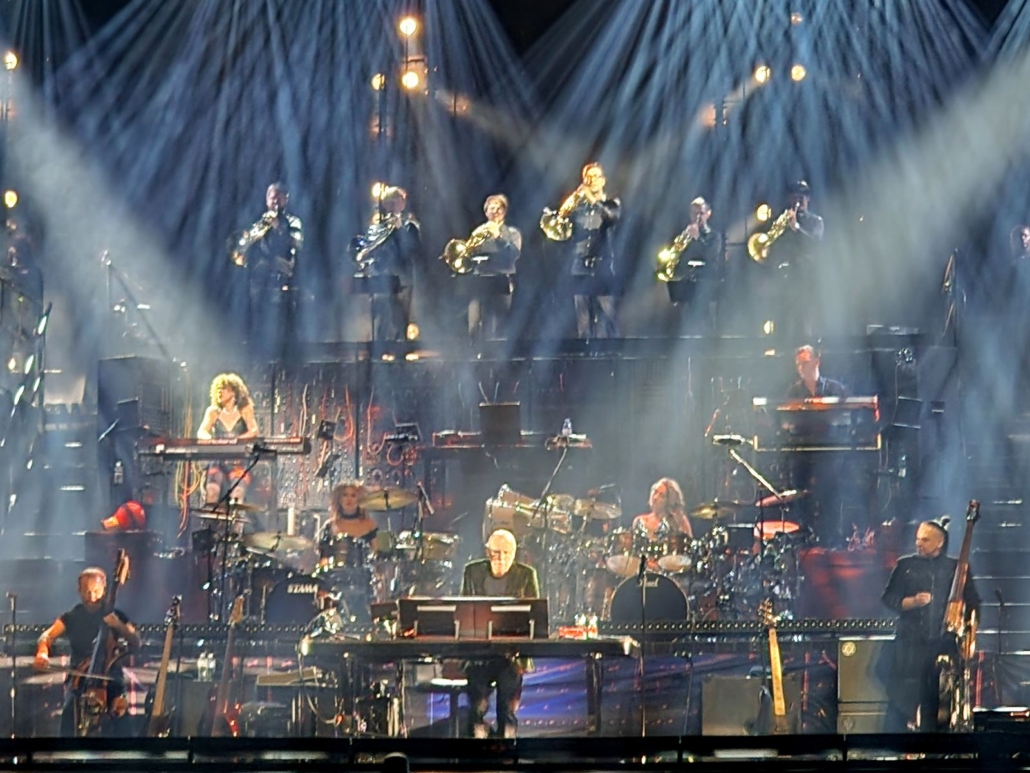
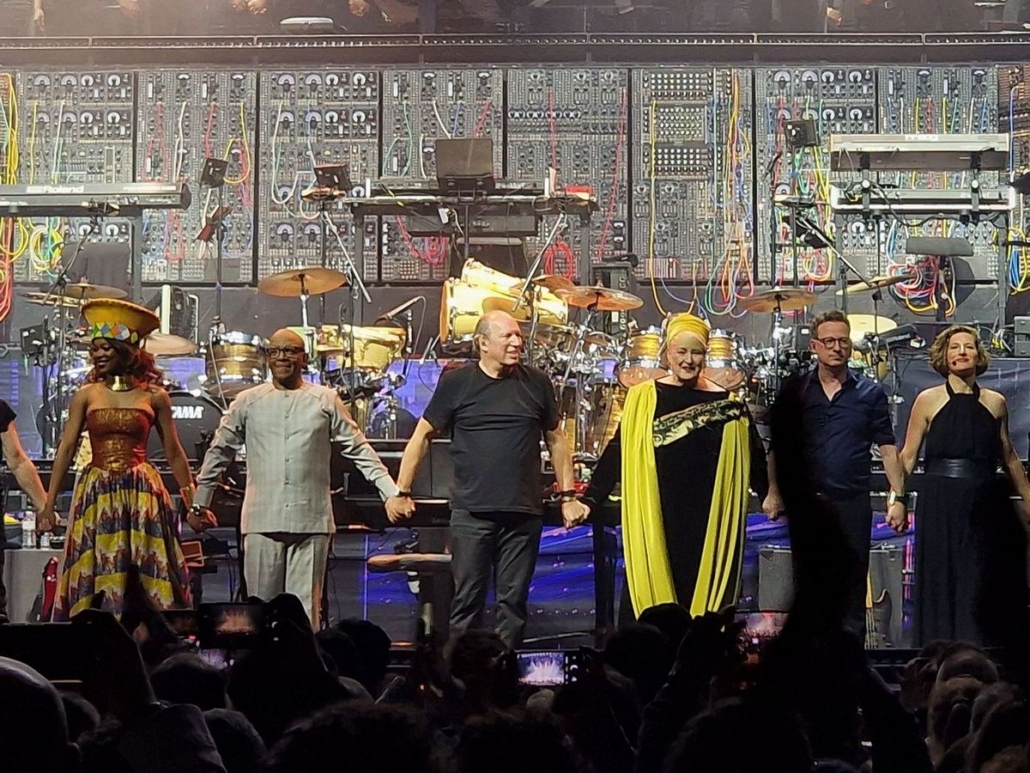
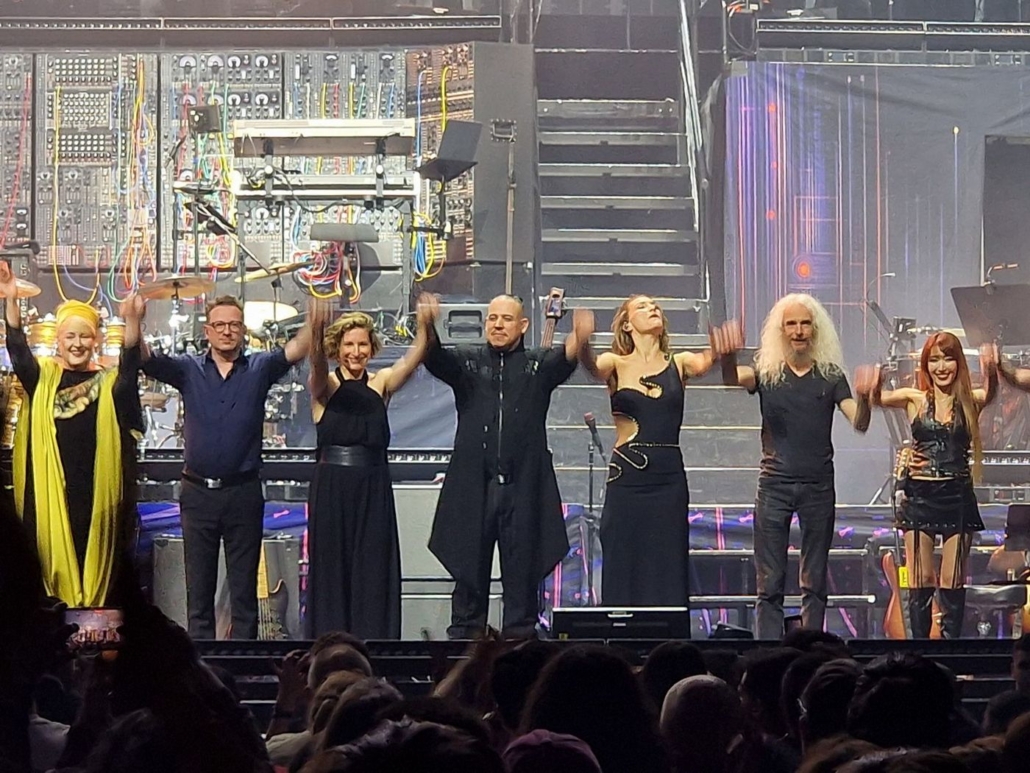
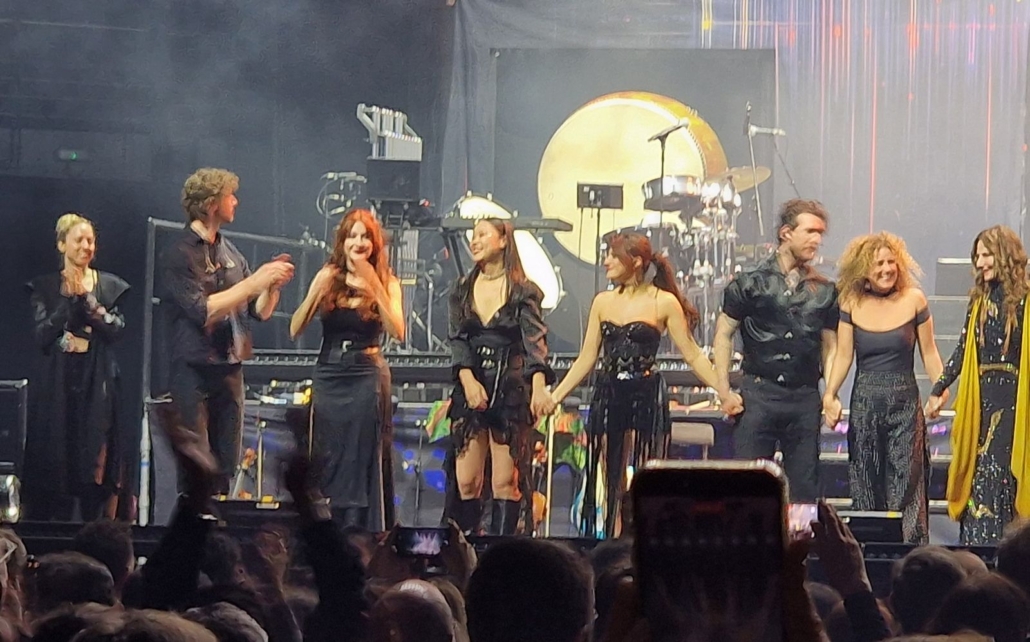
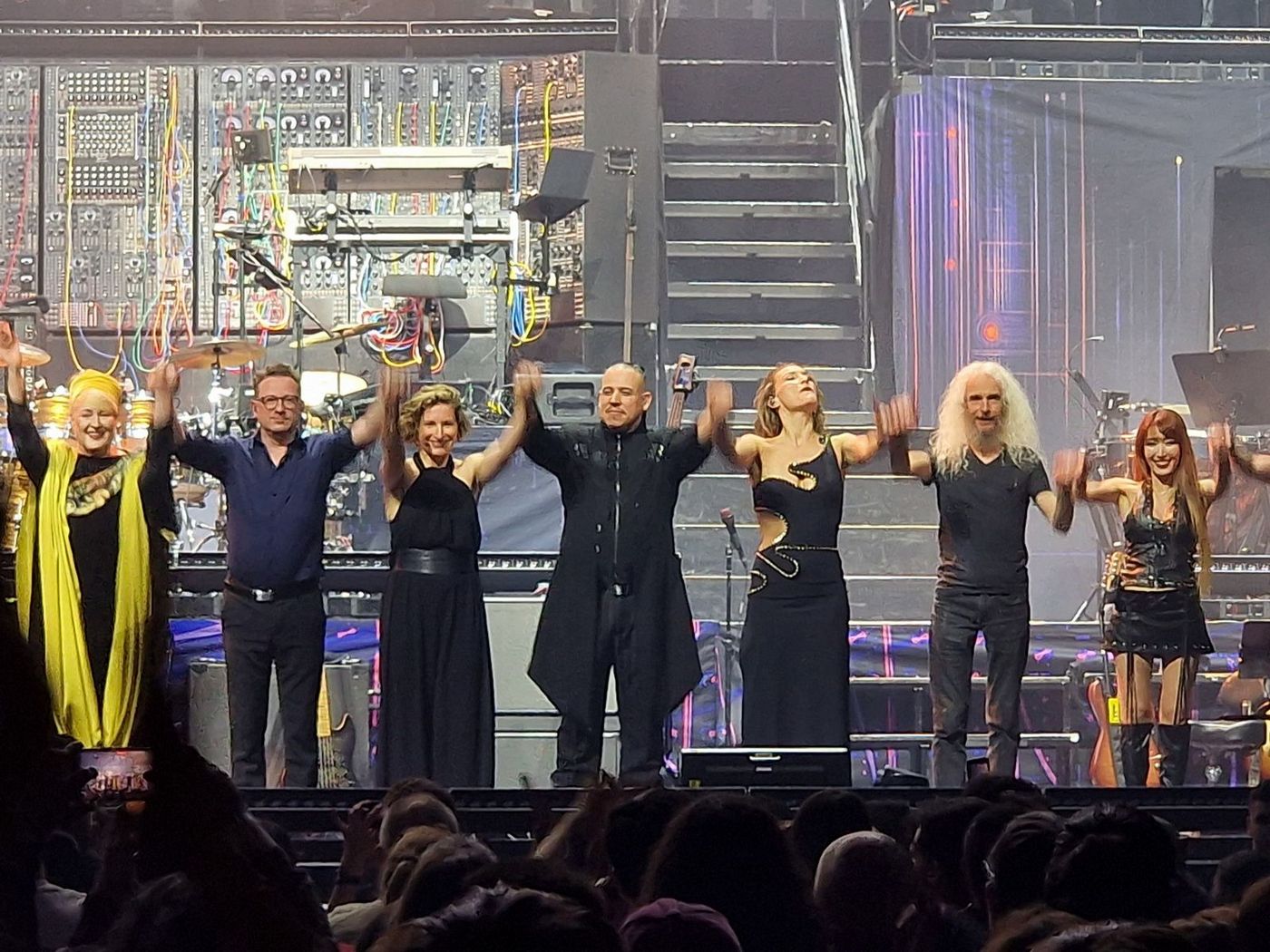
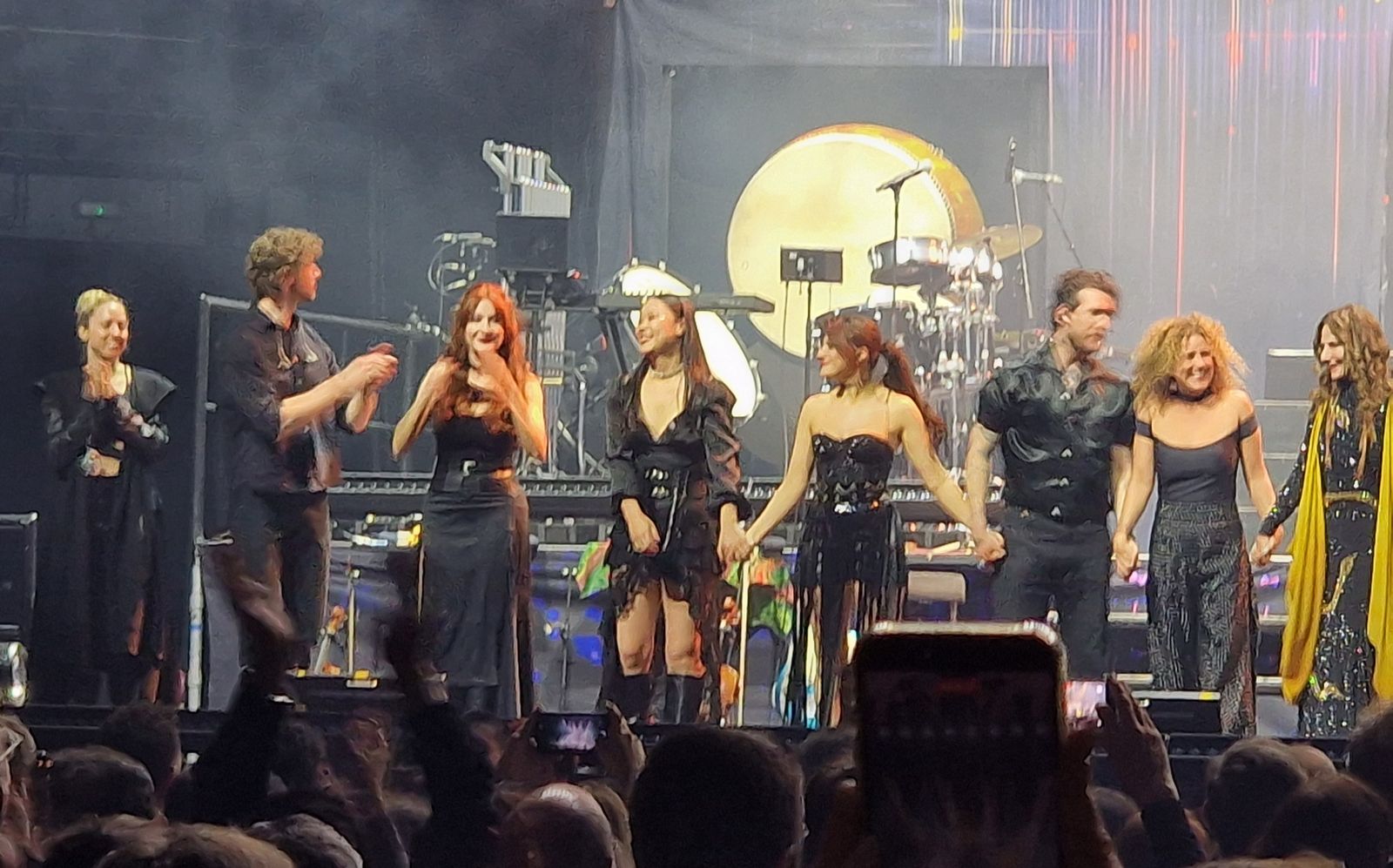
Special mention must be made of each and every one of the artists who took to the stage, always (or almost always) with Zimmer at the helm, whether ‘conducting’ or playing the piano, keyboards or guitar. Whilst Hans Zimmer has also made some changes in this regard over the years, the quality of the performers is non-negotiable for the German composer, who knows that his work demands not only technical skill (hence the engineers, who are surely top-class professionals like the renowned Colin Pink), but also expressive power and the ability to adapt a wide variety of instruments to his musical world, with each performer having their moment to shine.
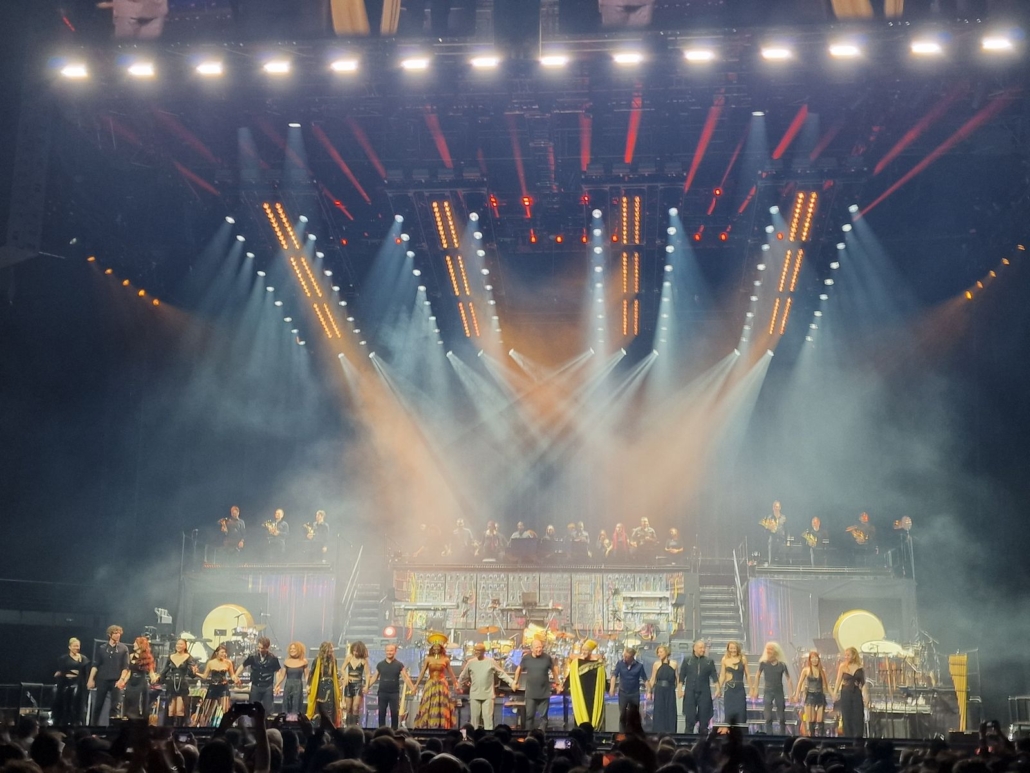
It’s clear that the performers are thoroughly enjoying themselves and convey this throughout the concert, and none more so than Zimmer himself, who made a point of publicly praising them after every piece, introducing them in some cases as many as three or four times, and in the case of the Spanish speakers (of whom there are several in his troupe), handing them the microphone so they could connect with the audience. It’s probably all planned, but there’s no denying that it creates a sense of closeness and conveys to the audience the feeling that they should feel just as fortunate as he does to witness the artistry of such sublime musicians.
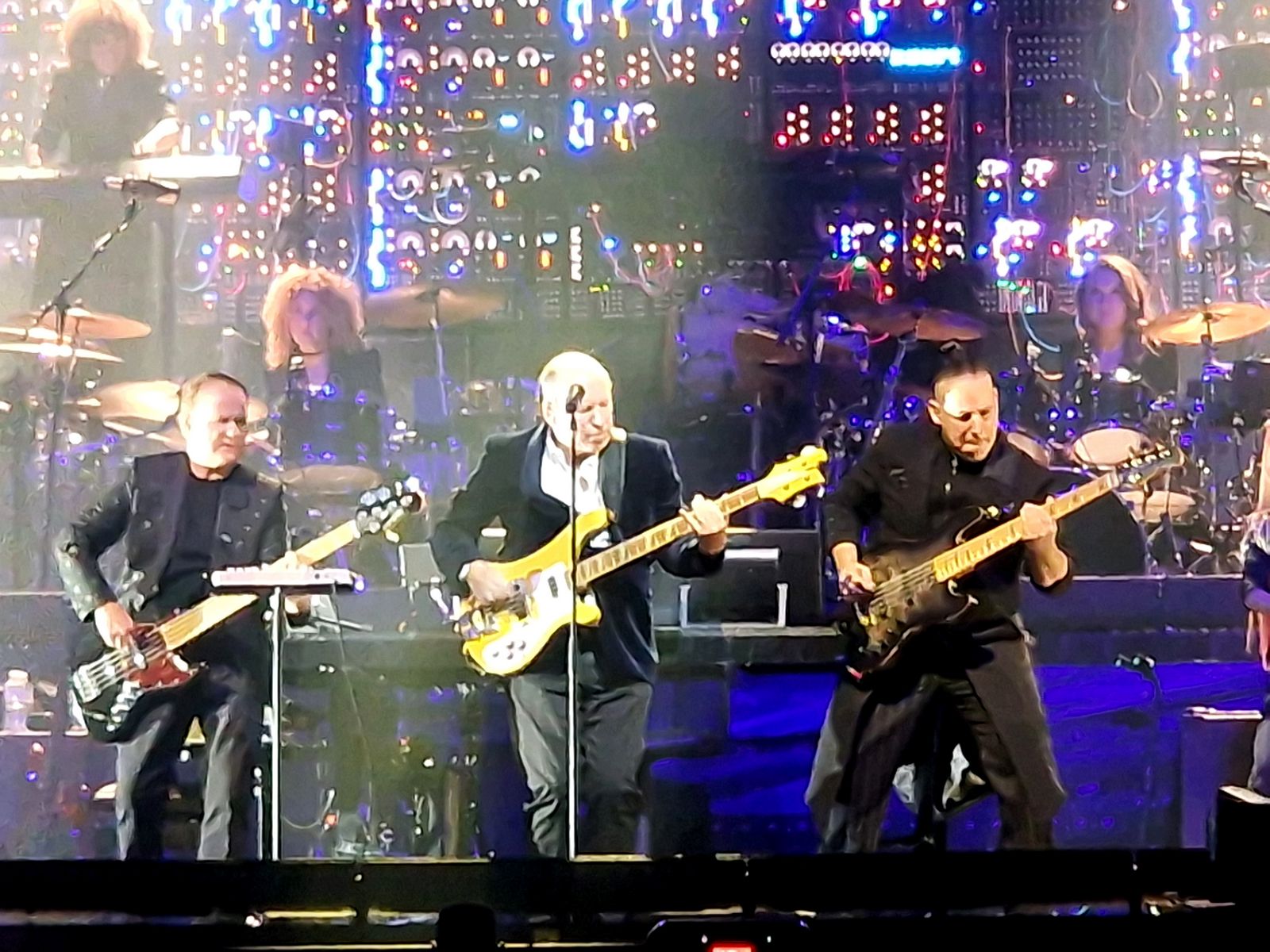
Hans is the star, but he makes everyone around him shine, never hesitating to step aside to make that happen.
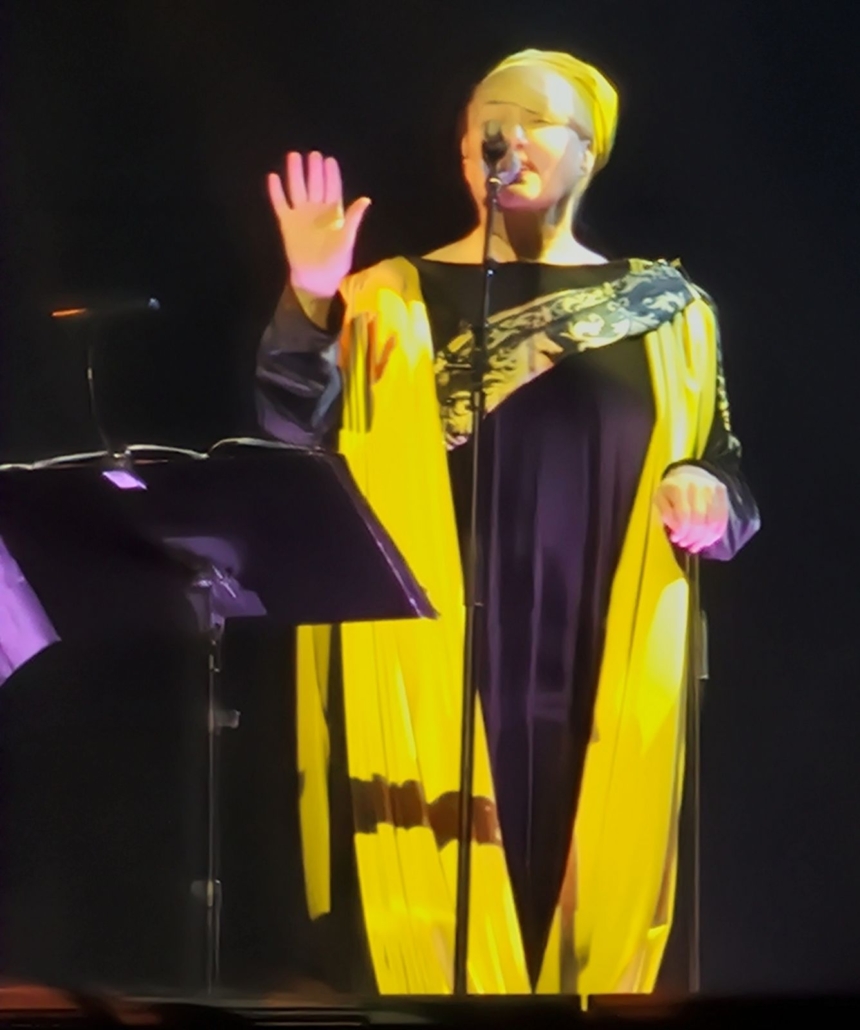
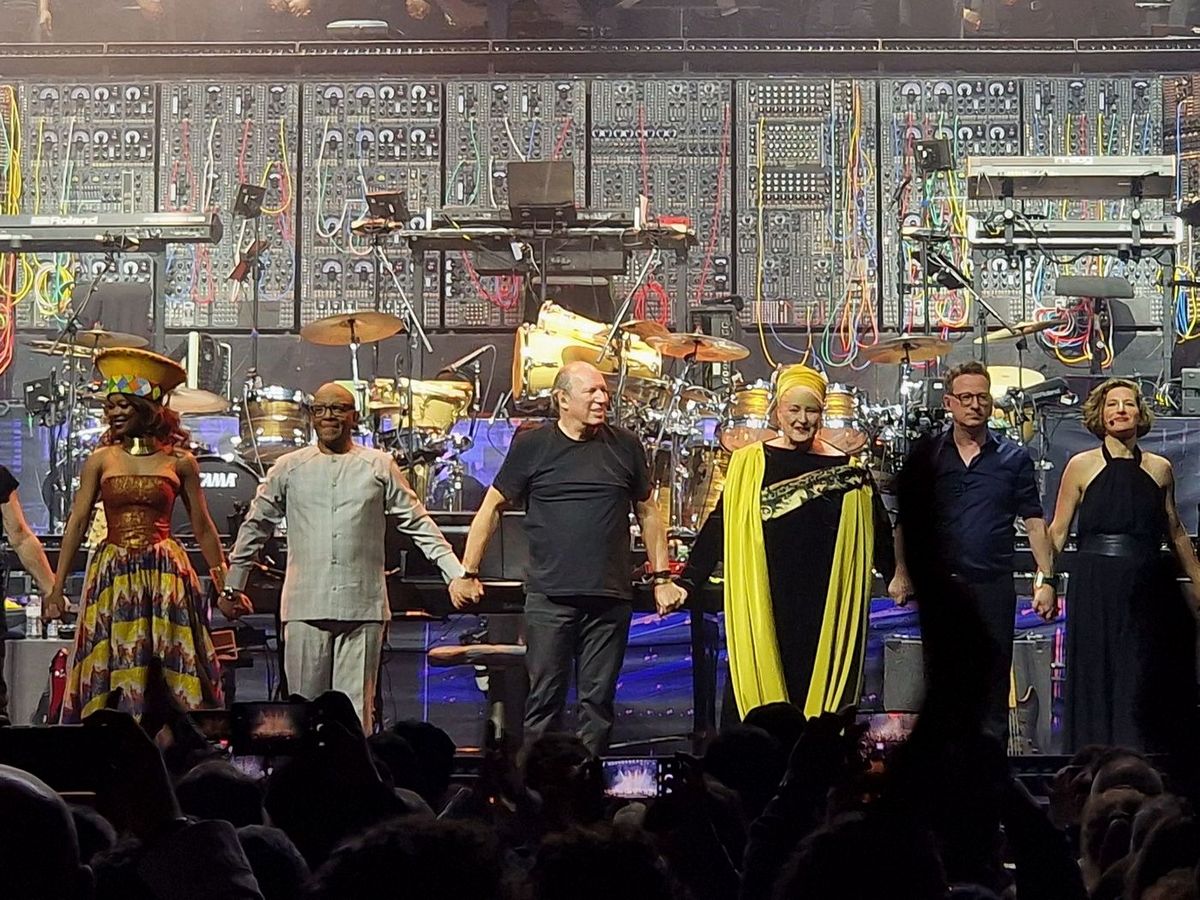
To round off this section, and although they all deserve a mention (we won’t do so, as there are certainly too many), we cannot fail to highlight two of the composer’s long-standing collaborators, who are always present at these concerts: Lebo M and Lisa Gerrard. Both are the vocal heart of such iconic scores as The Lion King and Gladiator. It is a treat for fans to hear them live, even though the former’s energy has remained more resoundingly intact despite the passing years.
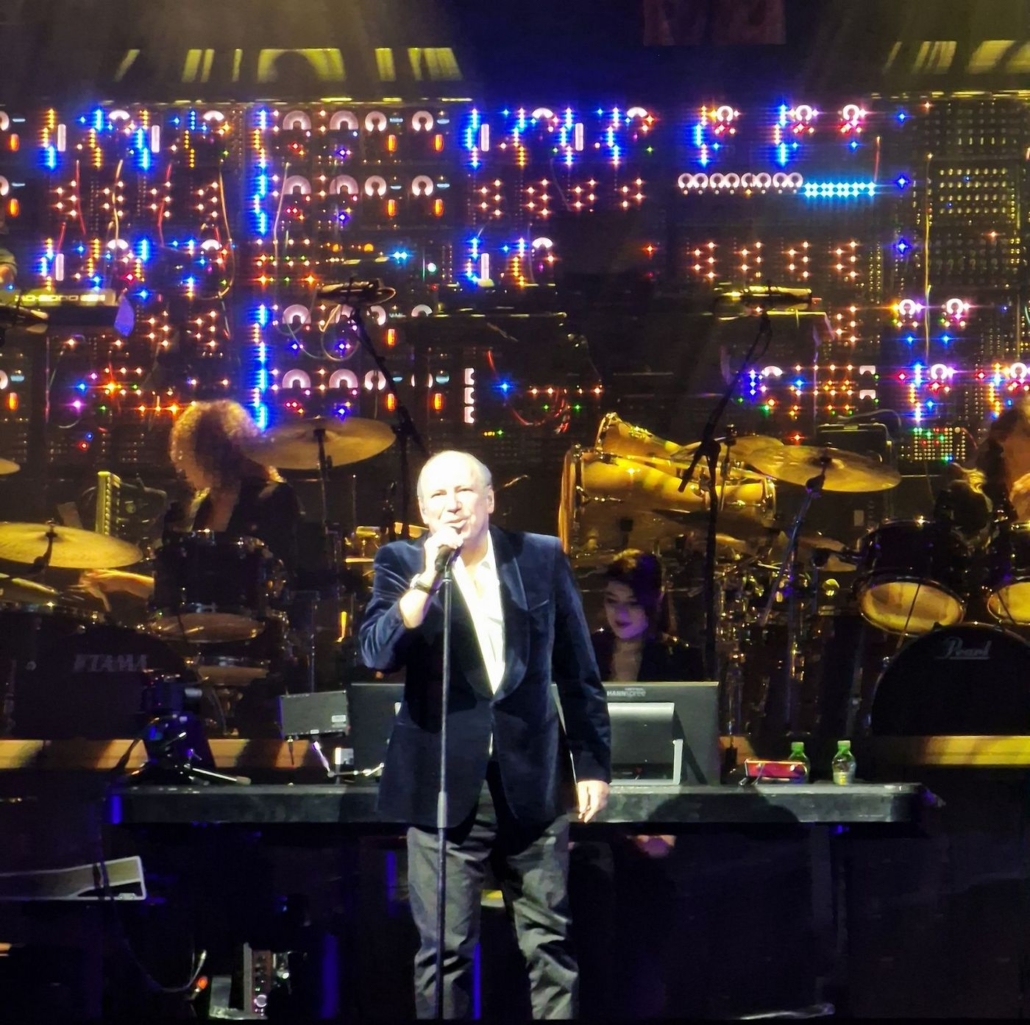
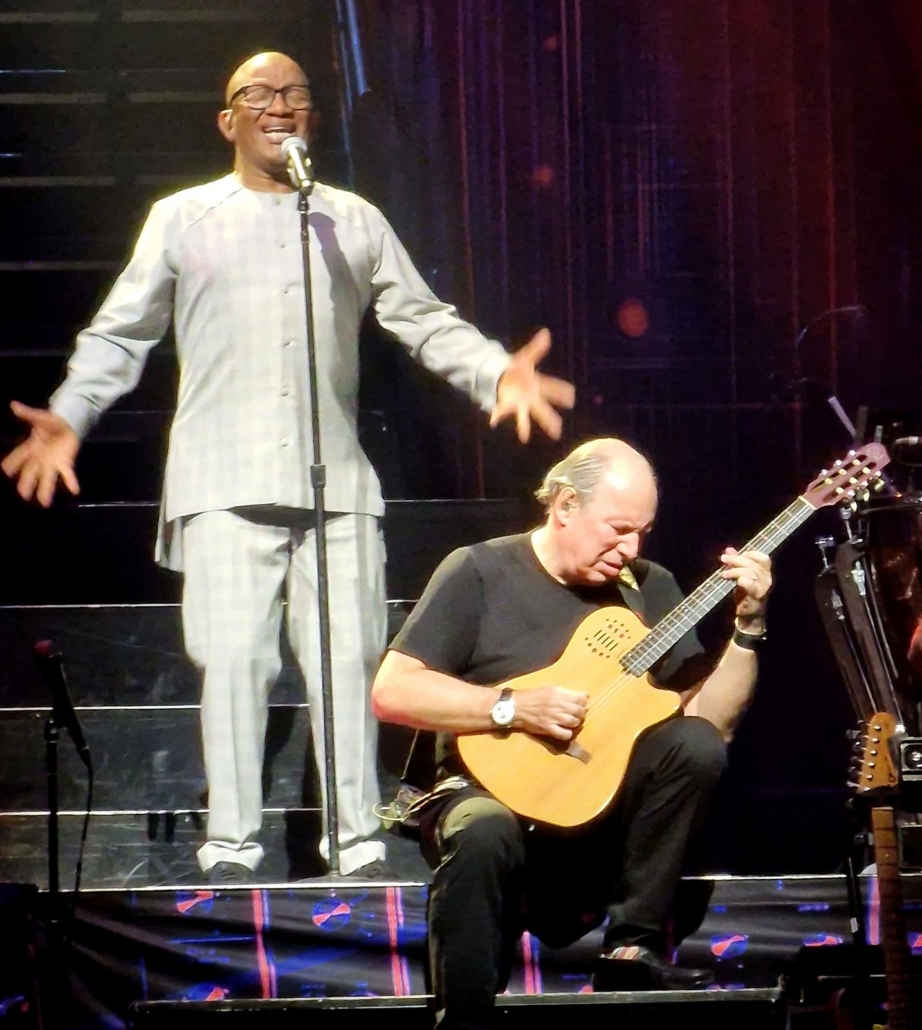
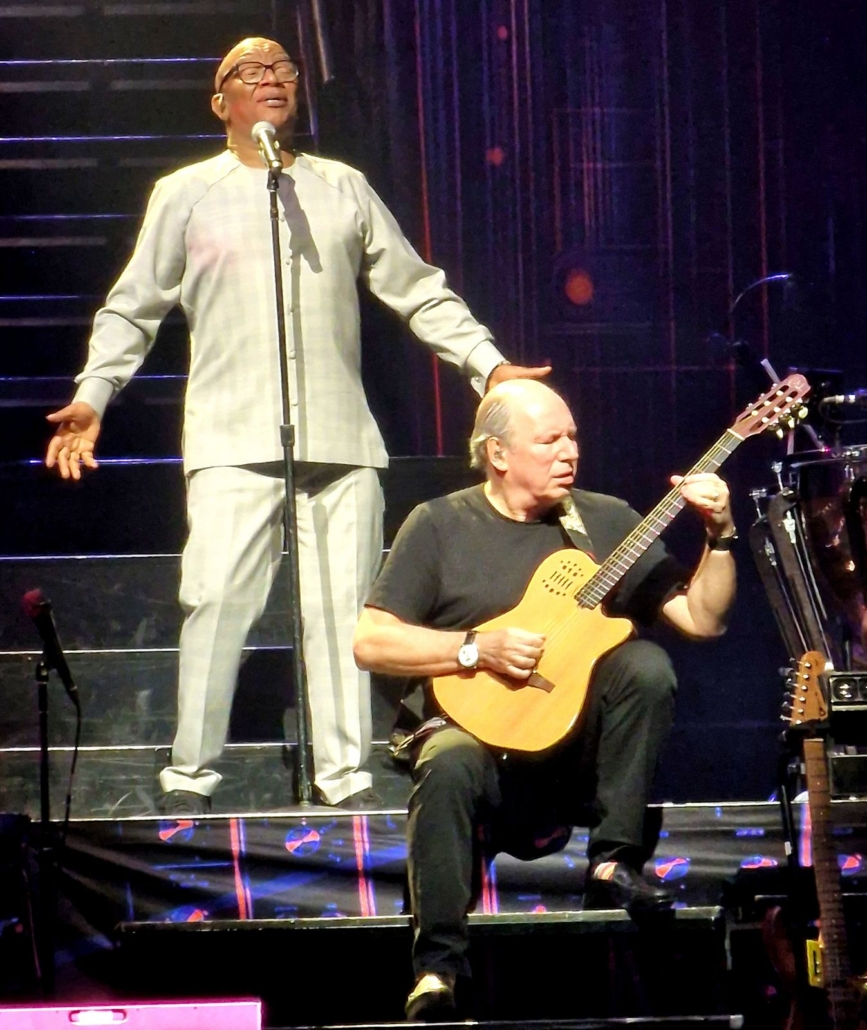
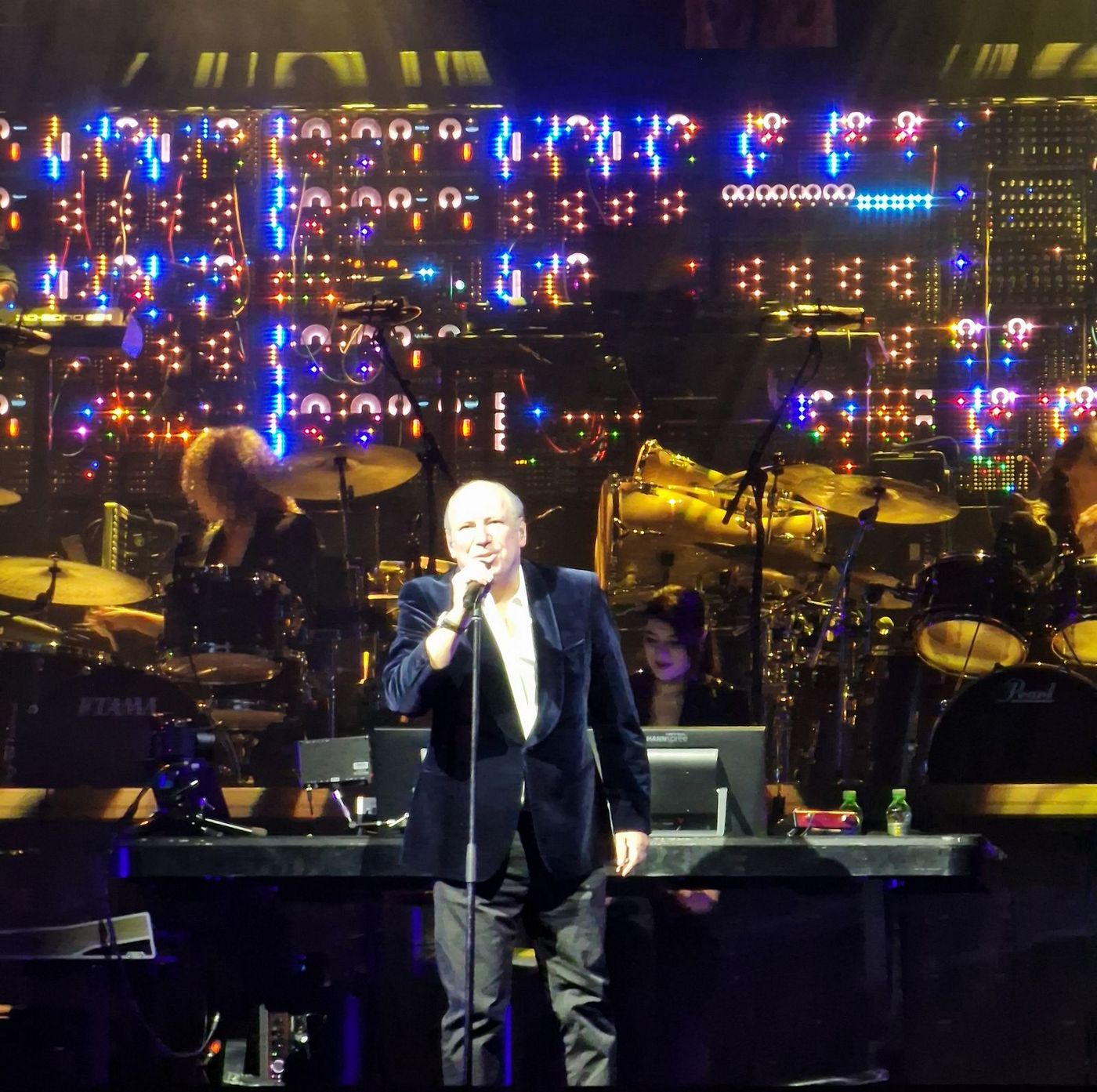
Going back to the start of the concert, following that explosive opening—which relied heavily on the percussion (incidentally, all the performers in that section were women) and the lighting effects, and in which Zimmer appeared center stage with his guitar, duly illuminated as the star of the show that he is, he took the microphone to greet a Sant Jordi crowd thirsty for his music (his “Bona nit Barcelona” was met with a thunderous ovation from an audience fully committed to the cause).
Despite the aura he undoubtedly possesses, he came across as approachable and slightly moved throughout the concert, creating a lovely contrast to the monstrous spectacle he put on. A similar contrast was achieved through the inclusion of a few pieces of ethereal beauty scattered throughout the programme to let the air flow amidst such a sonic storm.
In fact, following this unique reinterpretation of his score for the Dark Knight trilogy – in which electronic music and percussion played a prominent role – we plunged straight into the desert of Dune, the score for which he won his second Oscar, with a special mention for his now-famous “Paul’s Dream”, to which he made no major changes, leaving the lead vocals (and never has the phrase been more apt) to the incredible vocal performance of Loire Cotler, who did the same on the original recording of a deeply mystical work full of exotic textures, which managed to create a soundscape as strange as it was earthly for the world of Arrakis. Truly, hearing the solo lament of this extraordinary voice performed live was one of the highlights of the evening.
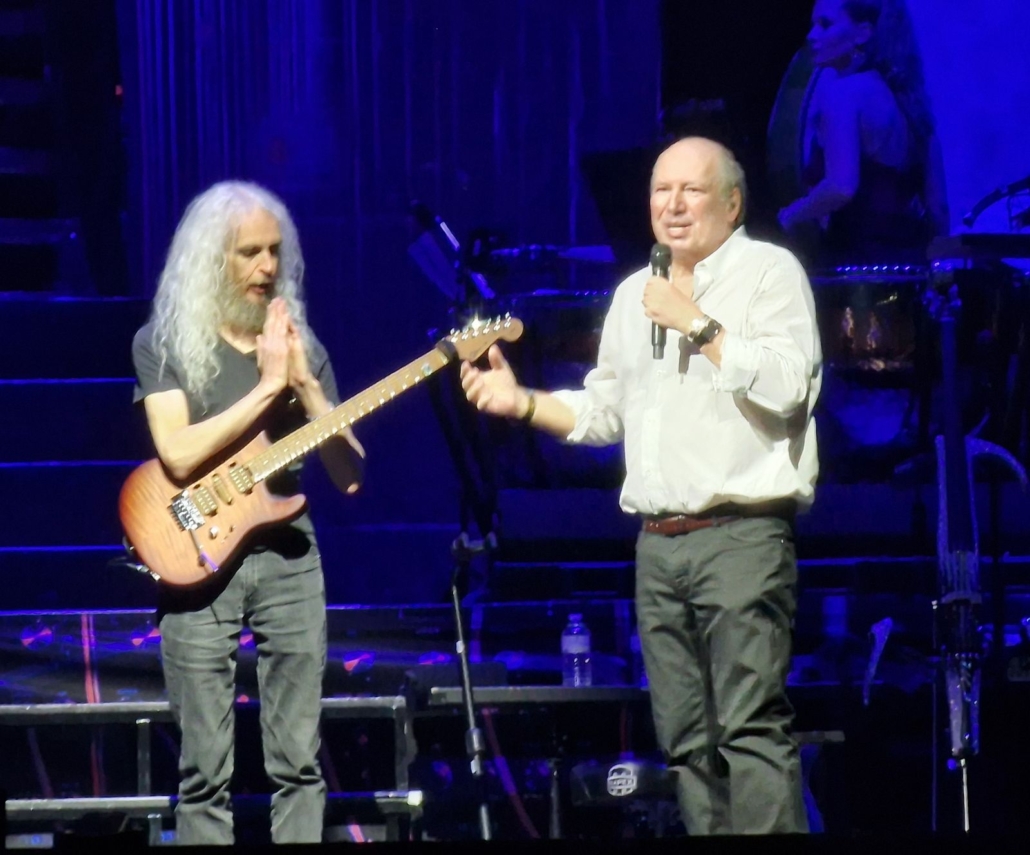
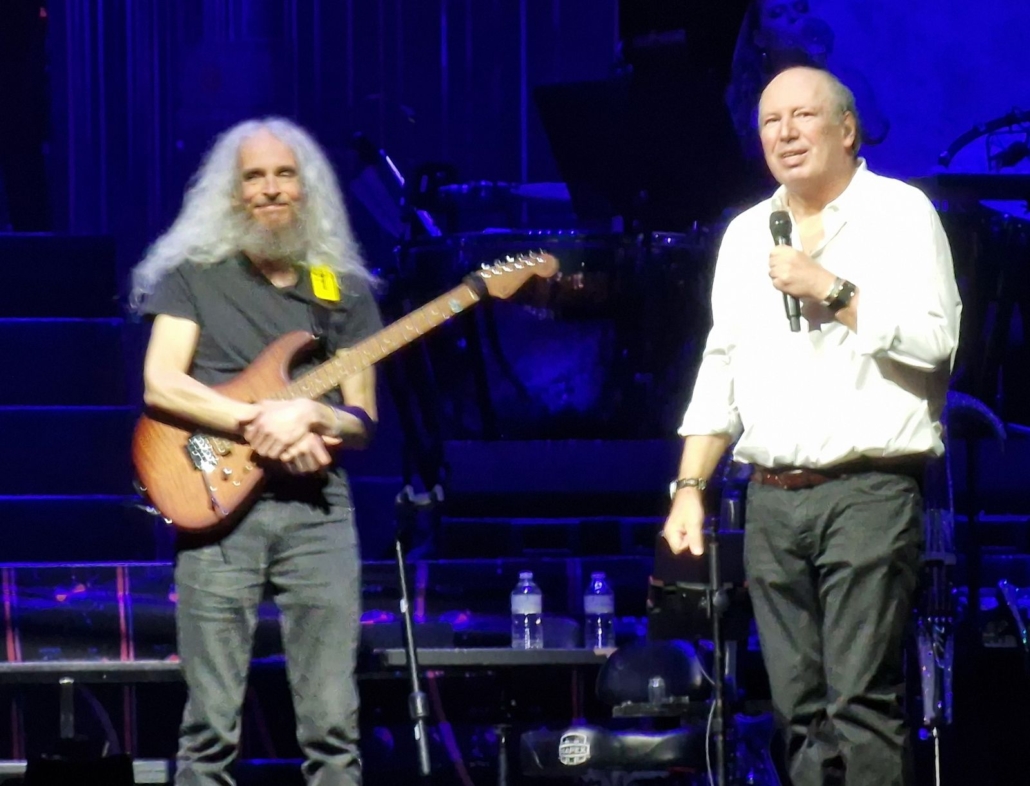
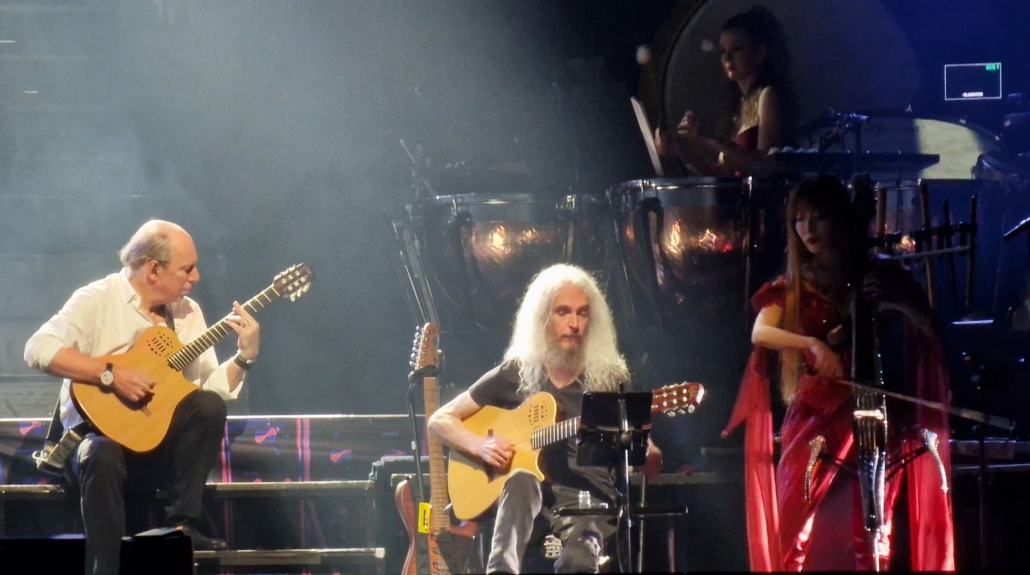
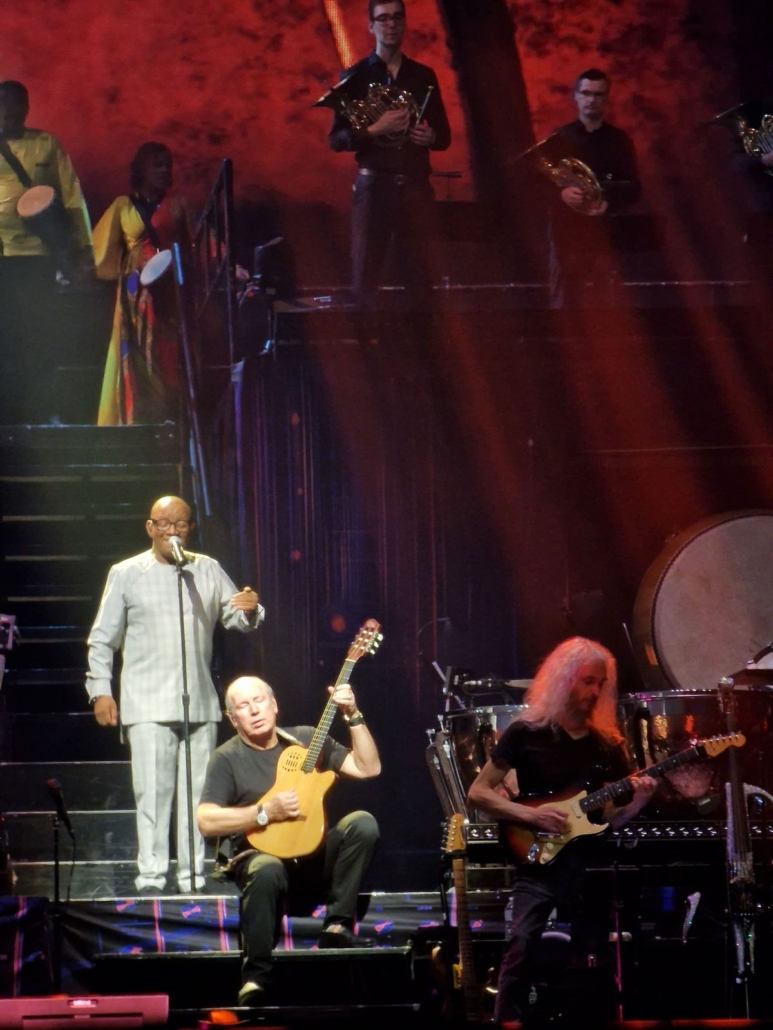
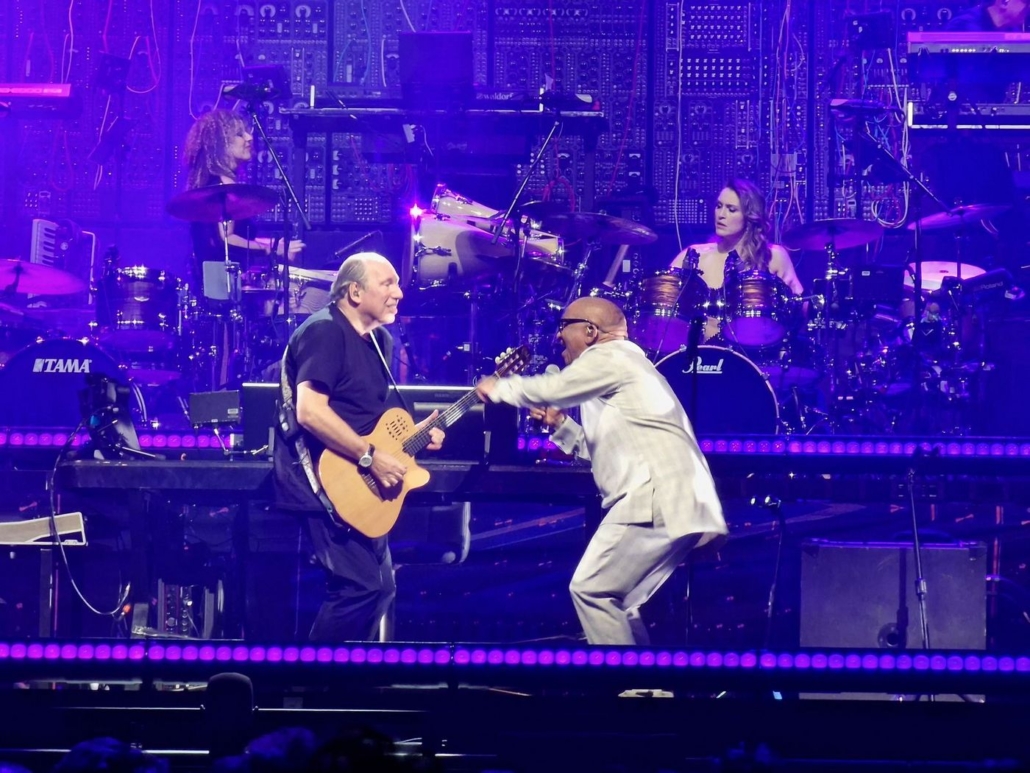
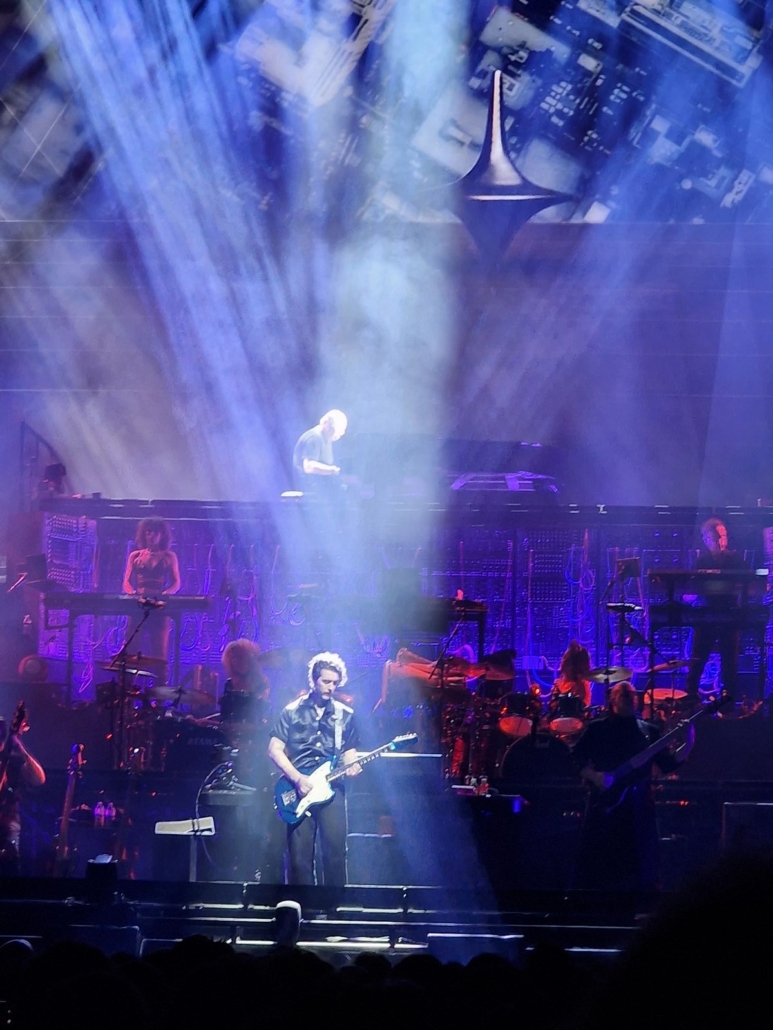
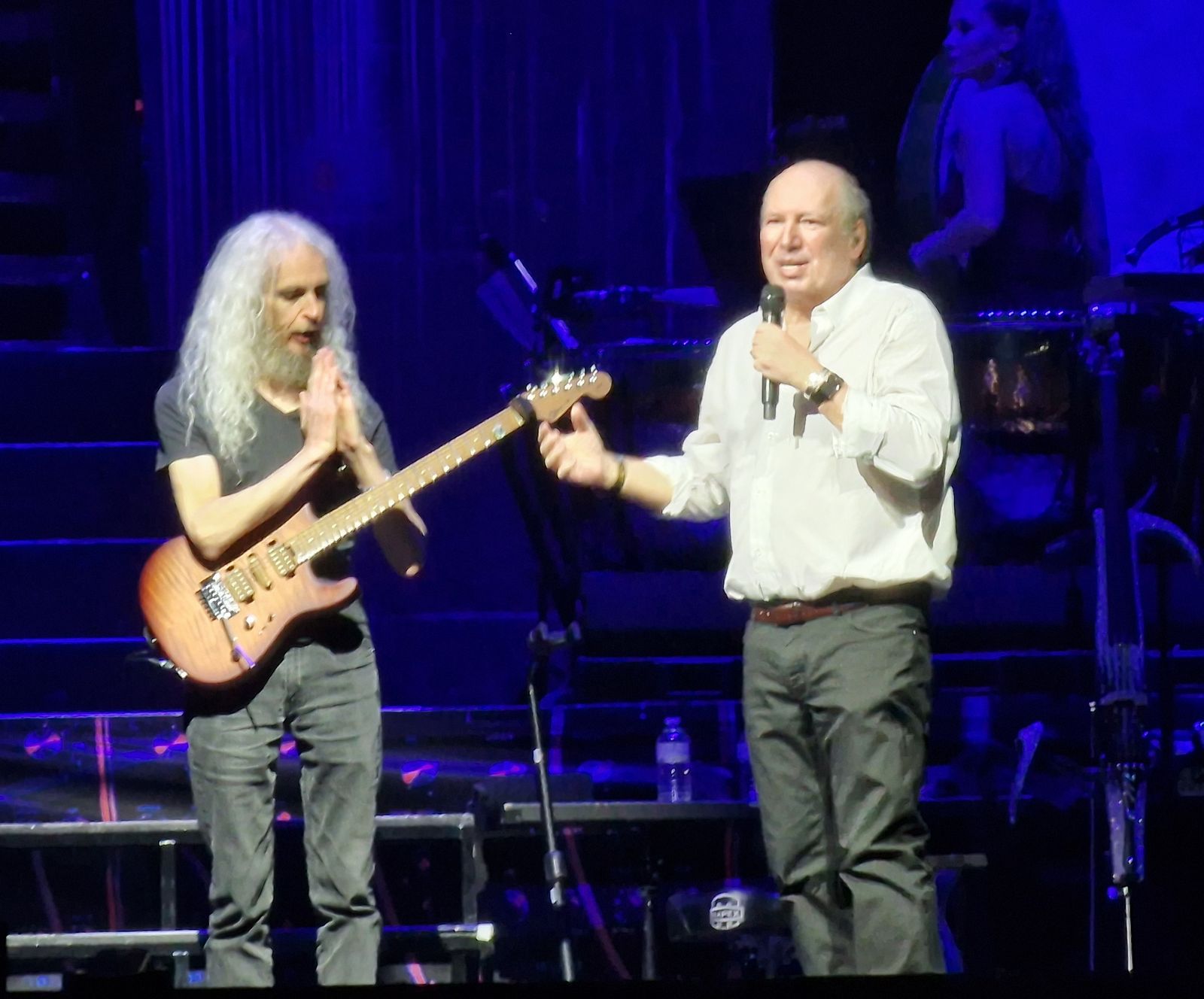
Zimmer’s rockier side came to the fore in the next piece, with his intriguing take on the Man of Steel – far from the musical canon established by Williams for Superman, yet perfectly suited to a concert like this Live performance, in which, as we’ve mentioned, the soloists played a pivotal role. This was guitarist Guthrie Govan’s moment of glory; Hans Zimmer described him as the best he had ever known, and Govan gave us a display of virtuosity that, to say the least, proved the maestro right. His solo at the front of the stage was unbeatable, and the sight of Zimmer at his feet with his arms raised was a reverential gesture of tremendous humility, as well as a very powerful image: that of a creator watching his work take flight in the hands of an artist.
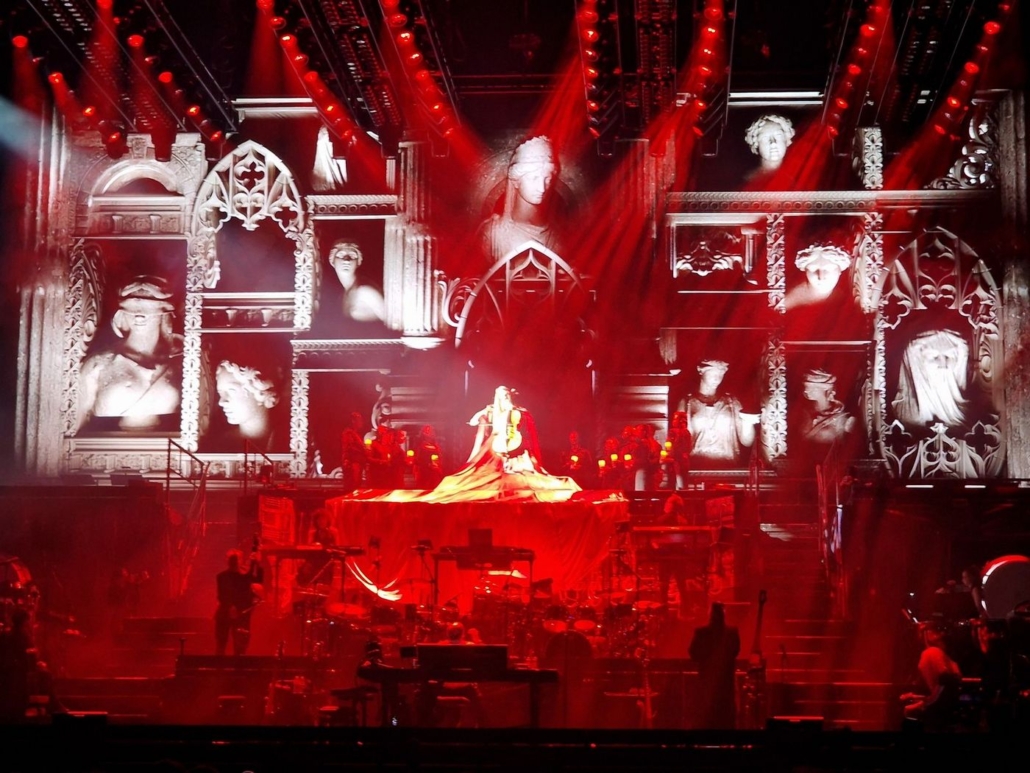
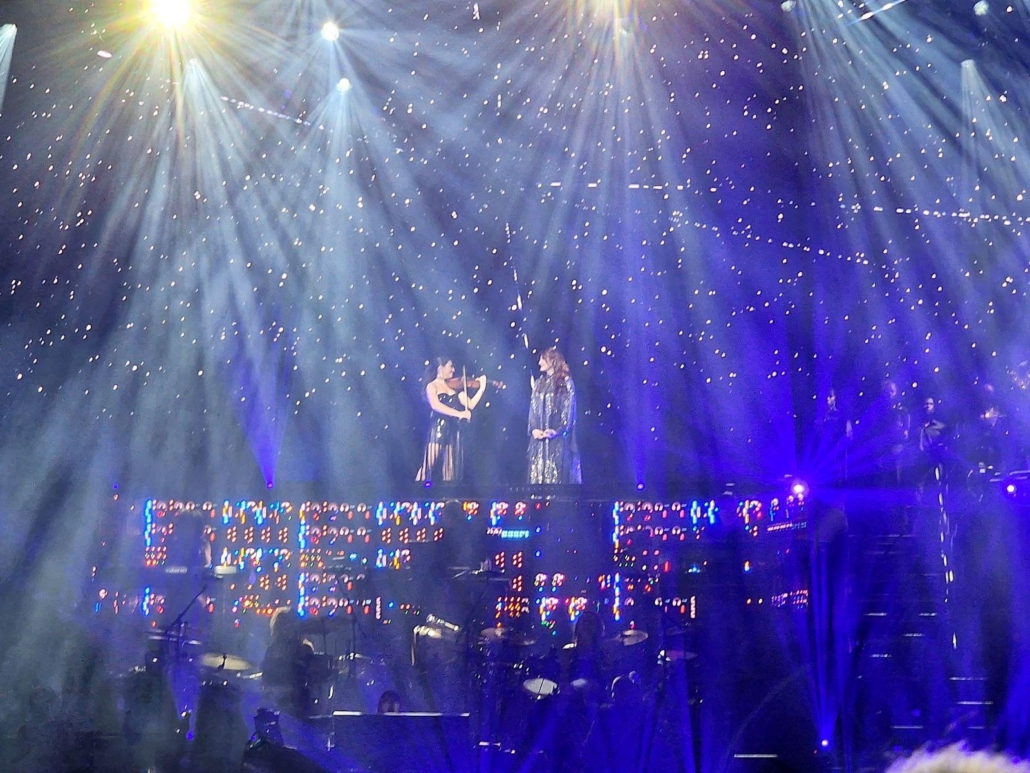
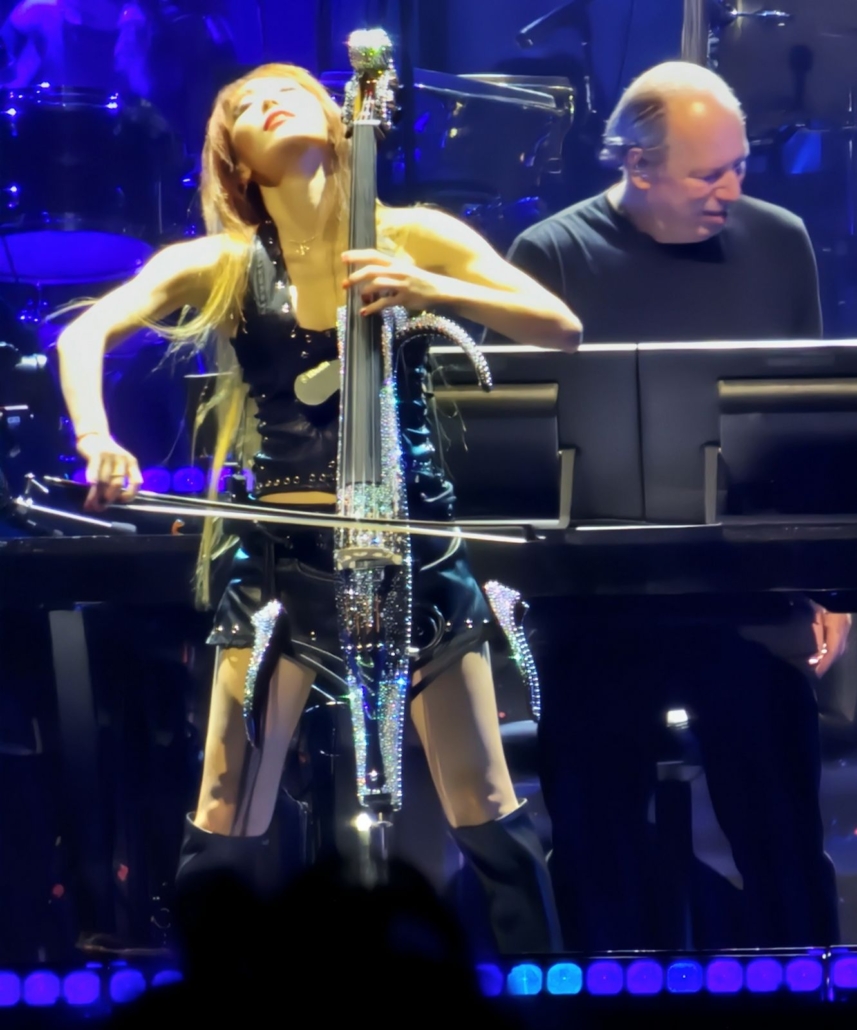
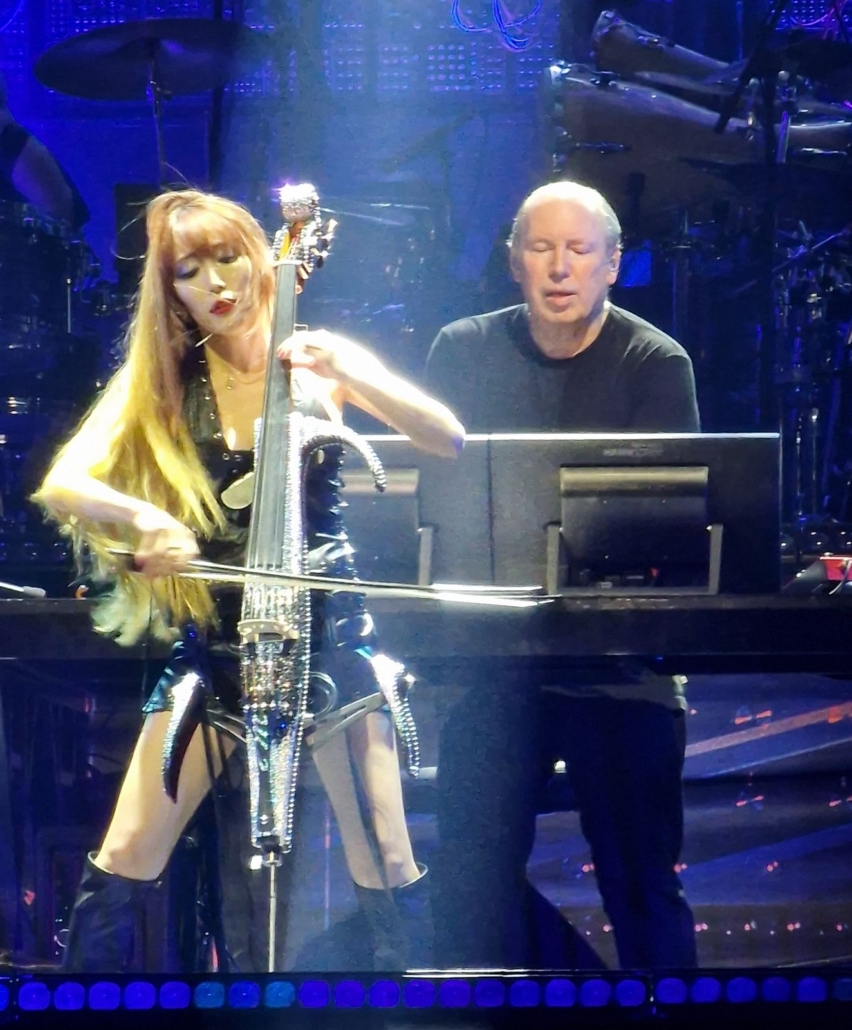
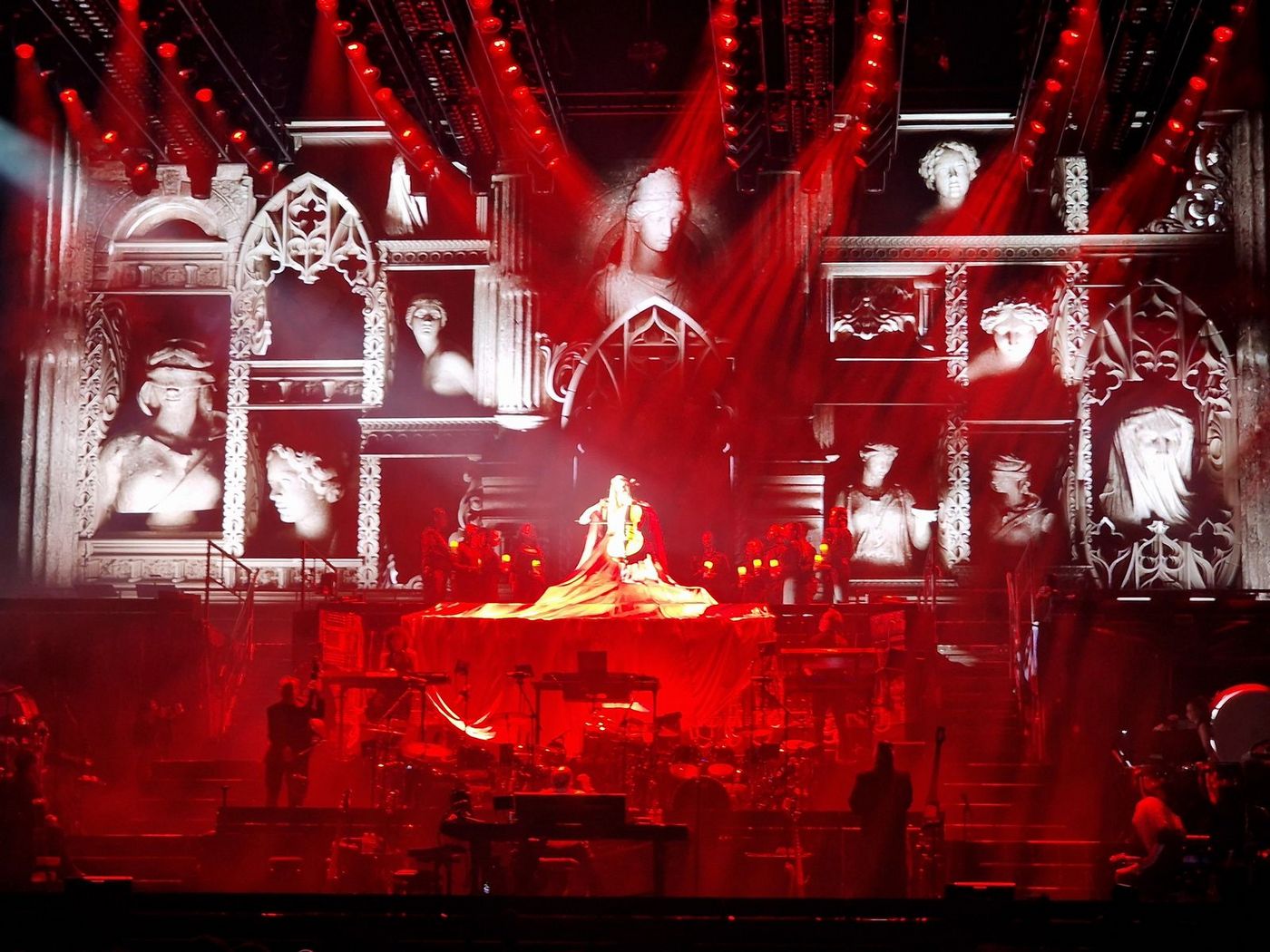
The host then performed a piece that is quite unusual in his repertoire, which clearly slowed the tempo. Hannibal’s track “To Every Captive Soul” provided a moment of contemplation, featuring Mariko Muranaka’s solo cello and a beautiful staging in reddish tones, with the performer perched atop a huge platform against a backdrop of projections resembling a Greco-Roman temple. Without a doubt, it was the most groundbreaking moment of the concert.
“Chevaliers de Sangreal” from The Da Vinci Code is another of the hallmarks of Hans Zimmer’s career, a majestic piece featuring the finest crescendo he has ever written – at least in my view – but for some reason I didn’t feel it managed to capture all the power and emotion of the original. Perhaps because it was one of the most eagerly awaited pieces of the concert, it works better in its purely symphonic version and seemed somewhat subdued following the tragic and melancholic cello solo that preceded it.
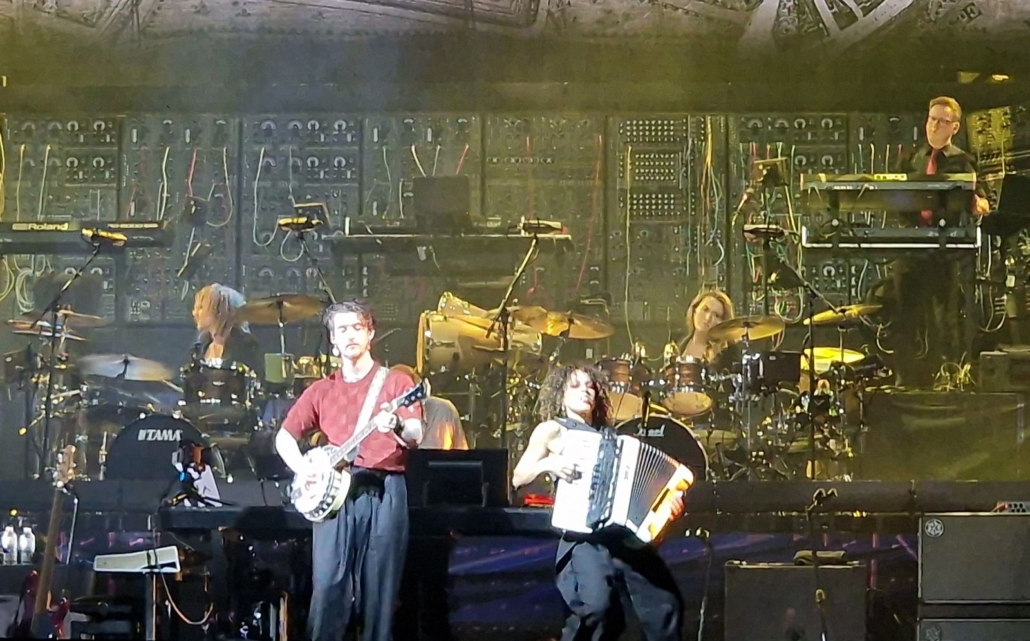
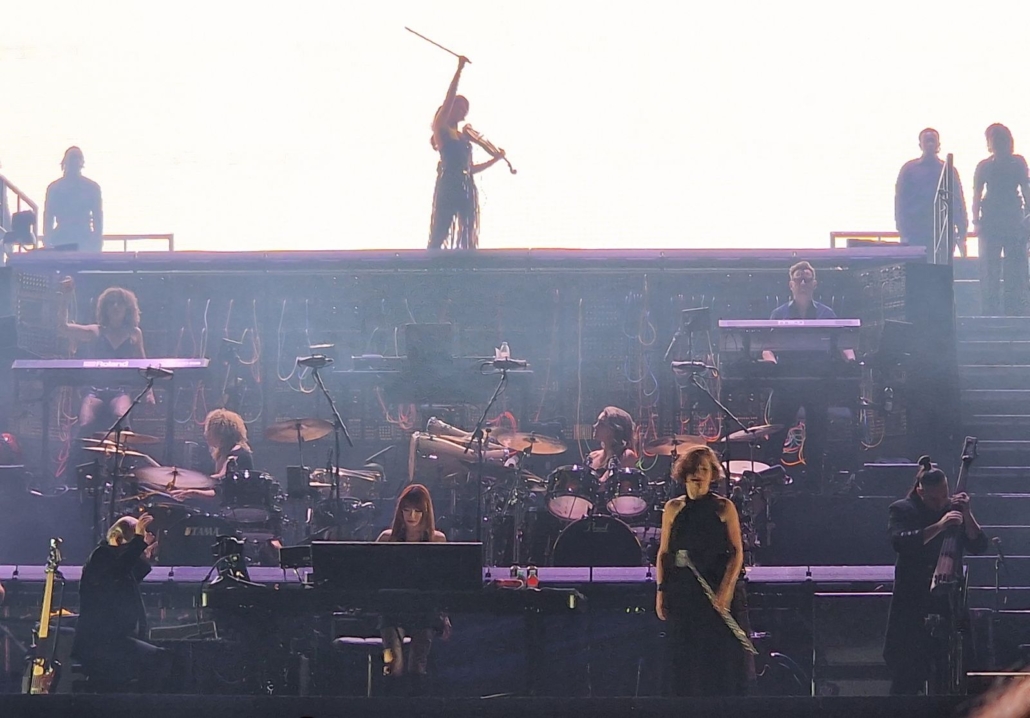
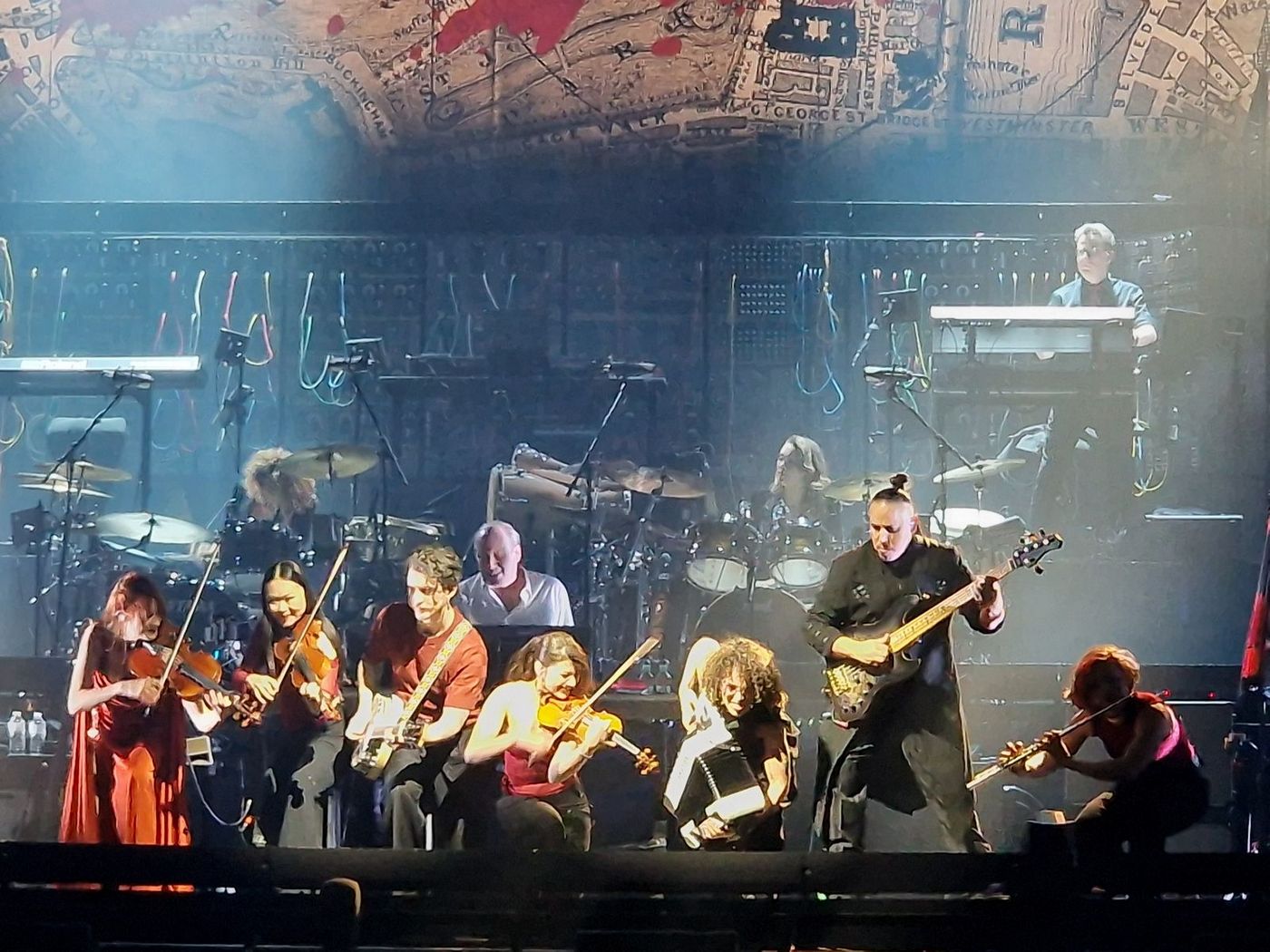
In any case, it was a brilliant track, followed by a suite from the fresh and entertaining Sherlock Holmes, which at the time garnered recognition for the originality of its approach, including an Oscar nomination. Here the violin takes centre stage, with a brilliant and frenetic performance by Vladimir Resnikoff, accompanied by gypsy banjos, accordion and industrial percussion that seek to evoke the chaotic and somewhat punk-inspired Victorian London of director Guy Ritchie’s version. A London that has been home to Zimmer himself since the age of 14, a fact he was keen to mention, reflecting on his musical life which served as such a source of inspiration. Here, the stage was truly filled with an enviable energy, delivering what was the most accomplished performance of the first half of the programme, even though what remained to come was none other than Gladiator.
A lengthy suite was performed from Gladiator, Hans Zimmer’s iconic score for Ridley Scott’s equally iconic film (perhaps too long, given how common it is for this soundtrack to feature in so many film music concerts, and given that they could have opted for tracks from other epic films with scores that are just as accomplished, if not more so, such as those from ‘The Last Samurai’ or ‘King Arthur’), which, unless I am mistaken, began with the tribal aggression of ‘Barbarian Horde’, in between giving prominence to the duduk and moments of deep emotion (especially “Honour Him”) and ending with one of the most significant tracks of the German composer’s career, the essential “Now We Are Free”, which brought us lead vocalist Lisa Gerrard, to round off a superb, though not quite flawless, first half.
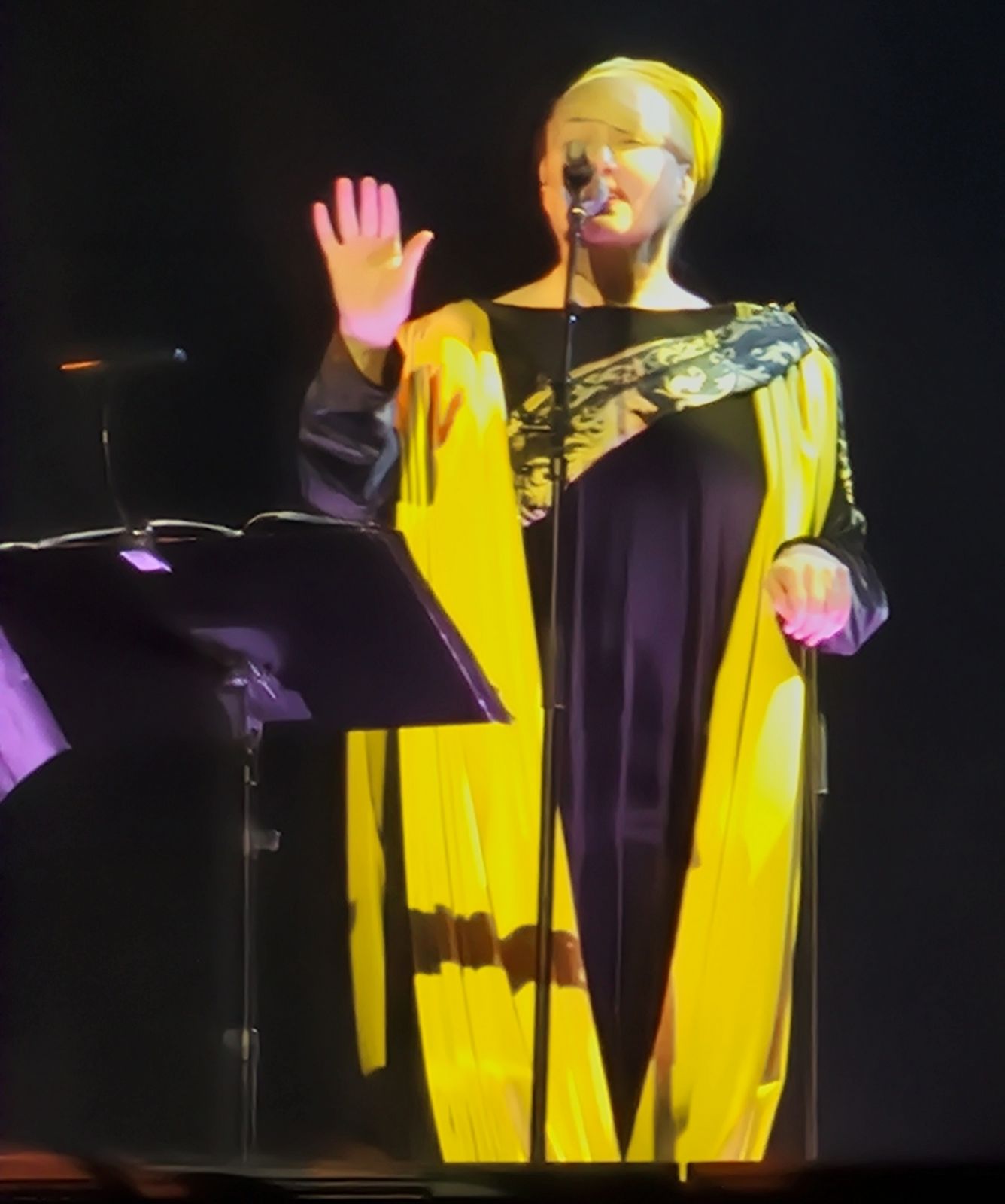
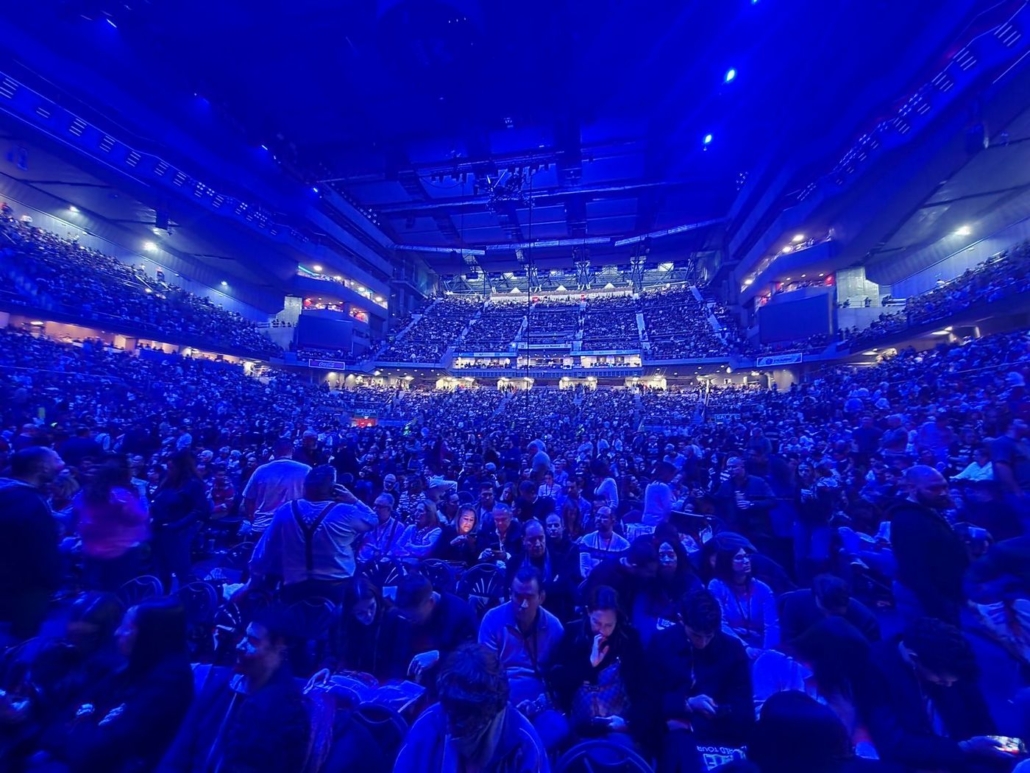
The interval was well deserved and allowed the fans to gather (as far as possible, of course, given that we’re talking about a capacity of 17,000 people).
Returning to the show, what followed was what I consider to be an absolutely memorable and balanced second half – almost perfect – which got off to a resounding start with the strange synthetic-orchestral sounds (named ‘Braaam’), which Zimmer himself devised for the Inception track ‘Dream Is Collapsing’, flowing seamlessly, as is customary in this show, into the Angels & Demons track “160 BPM”. The composer’s penchant for sonic innovation served as the starting point for this stimulating second half.
One of the most popular works among many fans is Pearl Harbor, a soundtrack that is far more classical and melodic; curiously, it seems that at the time it did not particularly impress the composer himself, as he indicated in one of his chats. Obviously, it is not one of his lavish sonic experiments and therefore strays somewhat from his usual style (it bears a certain resemblance to John Barry’s romanticism), or at least from what has been his musical focus of late, but it runs like clockwork and its inclusion as a counterpoint, particularly following the previous excesses of percussion and electronics, was a very welcome breath of fresh air.
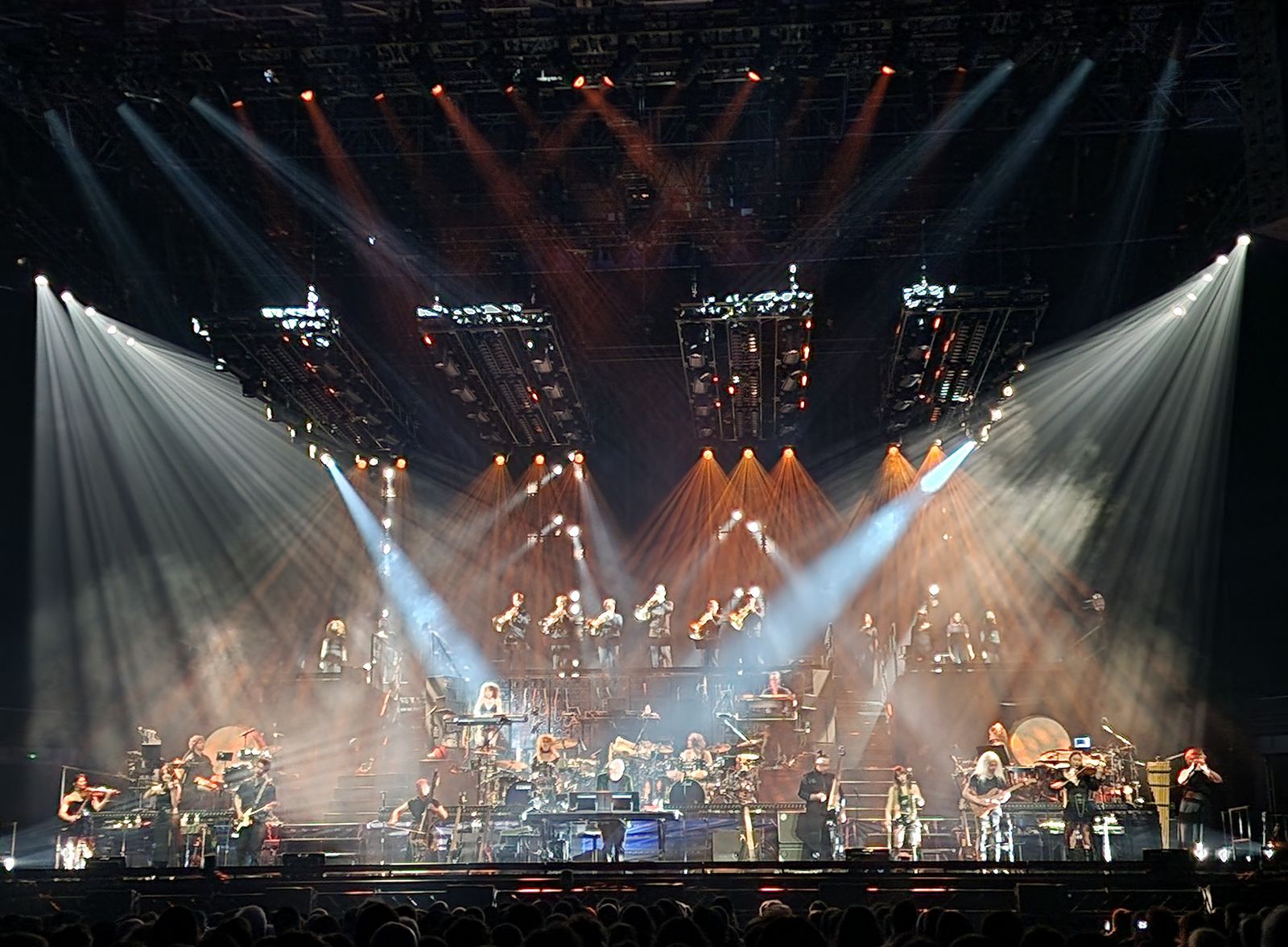
The next track was a welcome one, bringing us back to Zimmer’s most adrenaline-fuelled side and, moreover, allowing us to enjoy a complete premiere of his ‘Live’ format, namely the brilliant track for the sensational ode to motor racing that is F1. A score that would have deserved an Oscar nomination and which demonstrates the composer’s suitability for films in these sports sub-genre, in which he has previously shone with works such as Days of Thunder and Rush. The composer’s connection with the world of motoring goes even further, as it is worth remembering that he has designed driving sounds for electric vehicles and concept cars for BMW (read more). An absolute delight that, performed live, is simply overwhelming.
Following a return to Dune and the spellbinding voice of Loire Cotler (although this score had already had its moment in the spotlight in the first part, we certainly won’t complain about having the aforementioned performer back on stage), came another of the night’s highlights, both for the music and the staging.
‘Day One’, ‘Murph’, ‘Coward’ and ‘Stay’ make up the core pieces from the Interstellar suite, a landmark of modern science fiction and of the collaboration between Hans Zimmer and Christopher Nolan, a scientific and emotional odyssey in which the journey through time and space is nothing more than an elaborate pretext for exploring love and parent-child relationships. And that is precisely what the composer, visibly moved, acknowledged in his introduction—that the director had asked him to do so even before he had begun to consider the score.
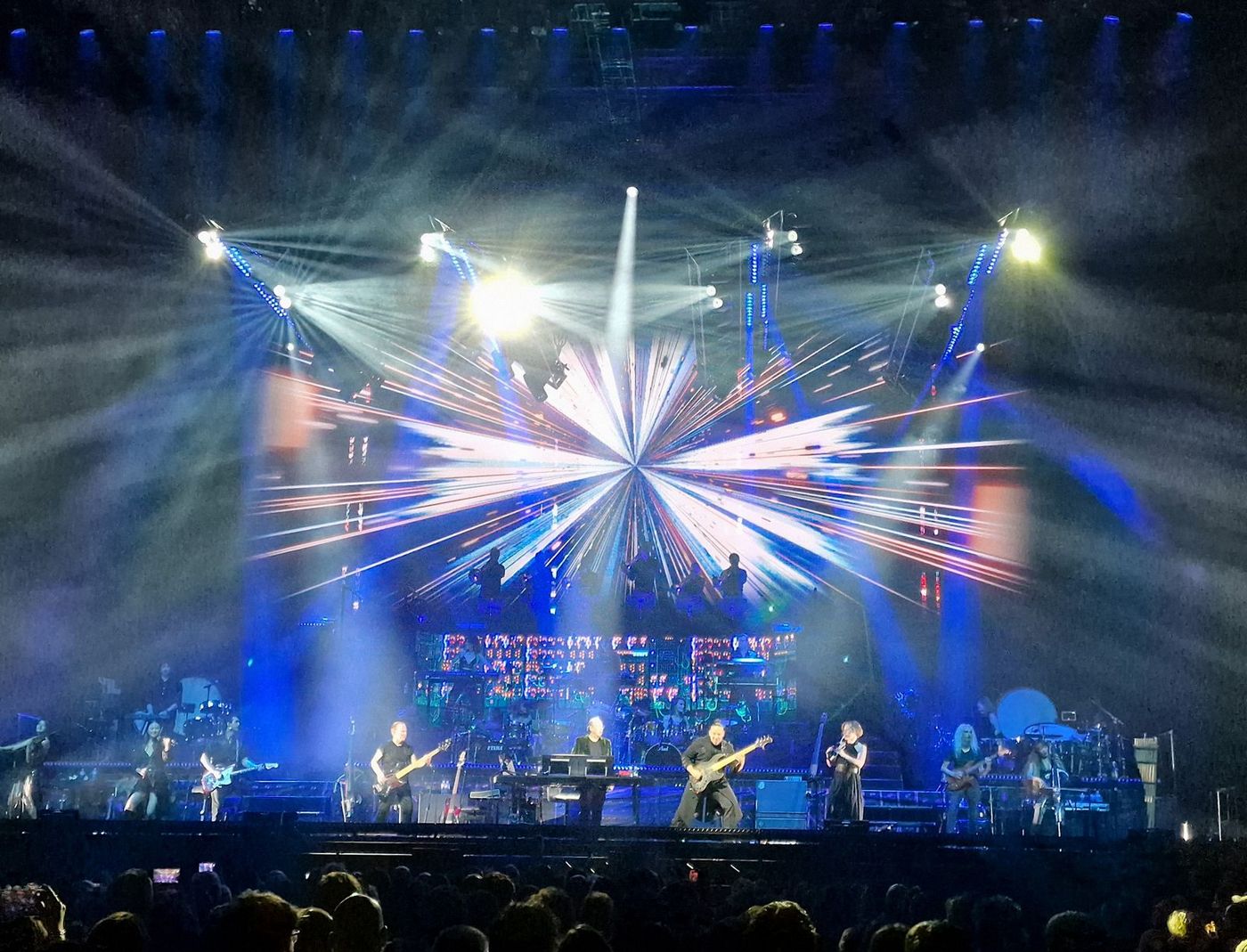
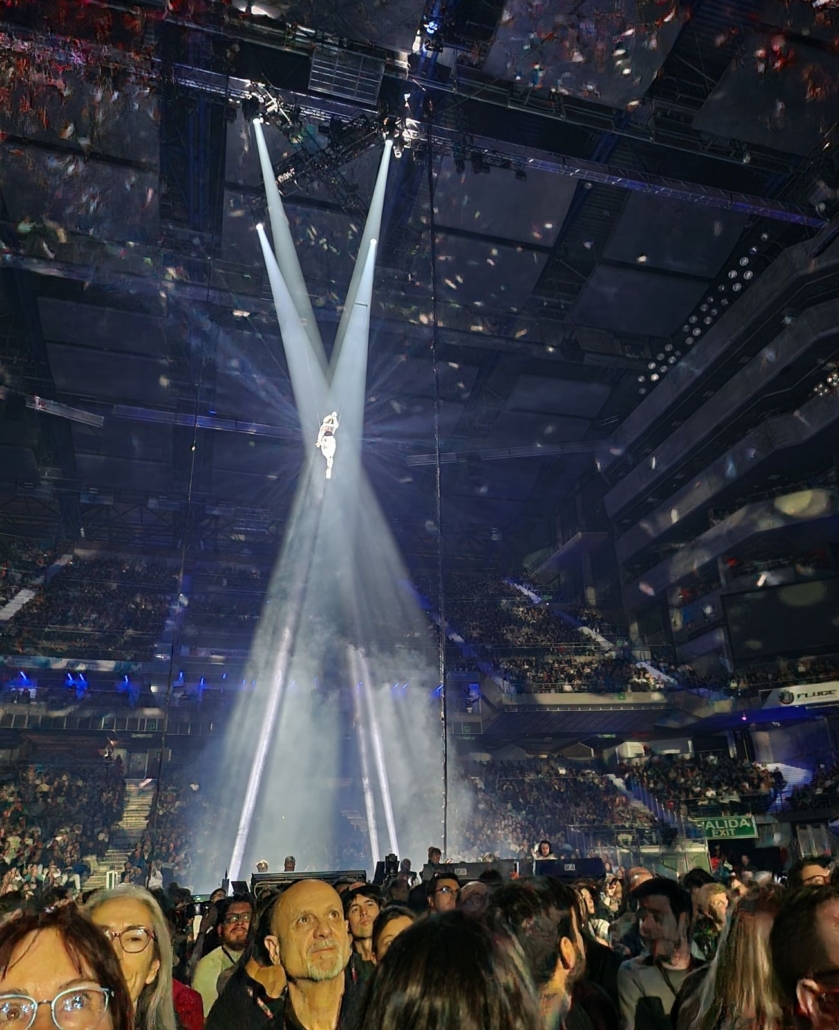
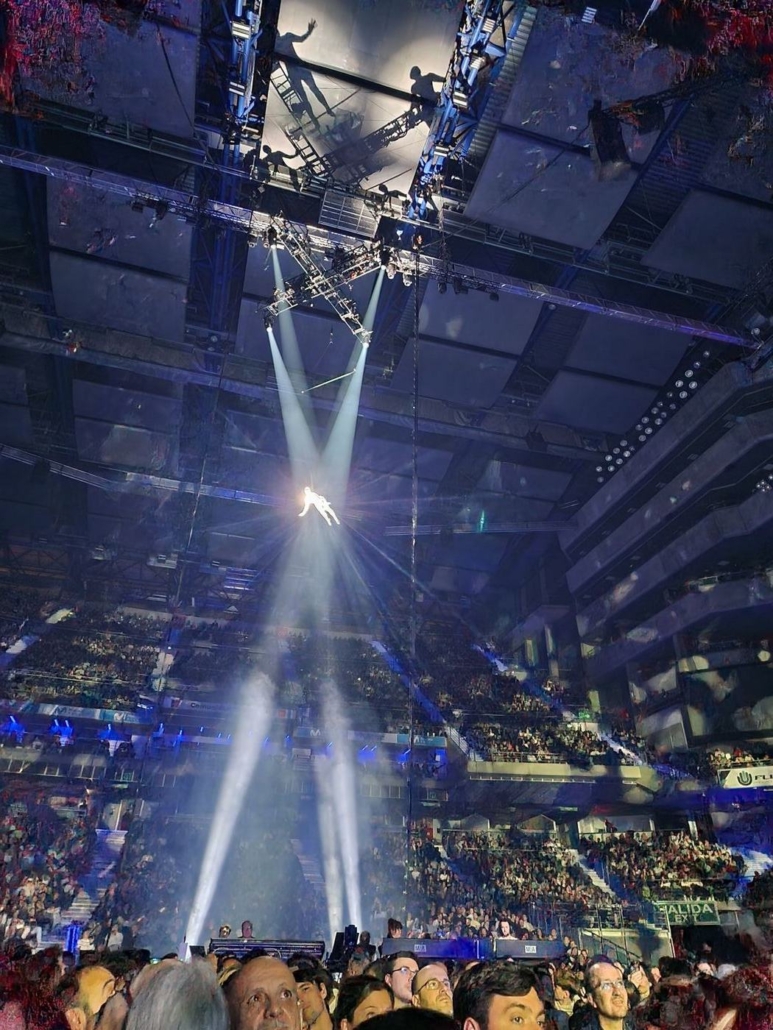
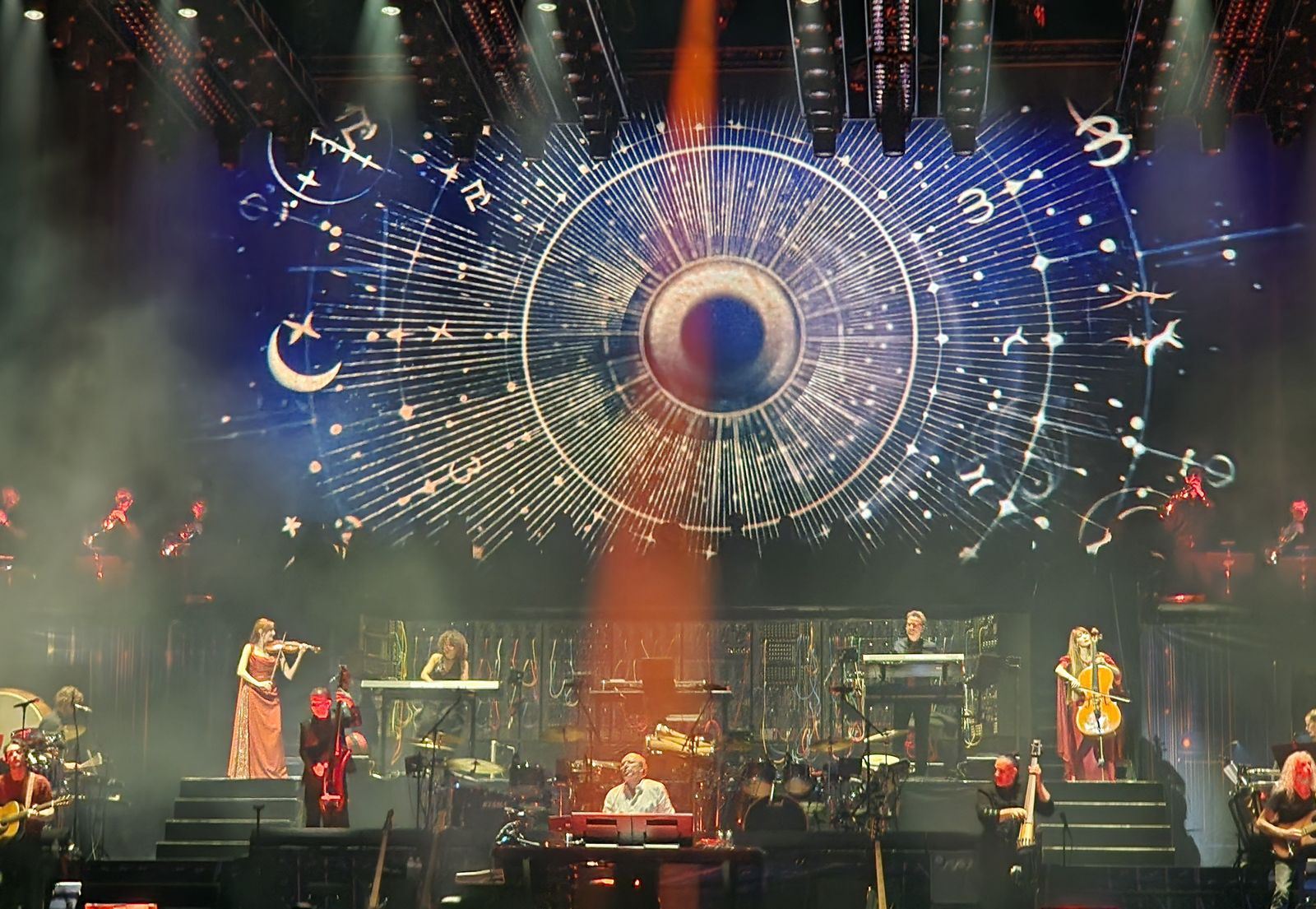
That interstellar journey through the human soul, born of a father’s feelings following the birth of his child, led Zimmer to create a work that is now a benchmark and indispensable, and a creative endeavour that is certainly commendable in the rather bleak landscape of contemporary film music. The organ, the soaring strings, the orchestral crescendos, the introspection of the piano, the celestial choirs and the cello of ethereal beauty, together with the 360° projections that filled the Palau Sant Jordi, and in particular the acrobat who floated and literally shone on the ceiling of a venue transformed into the Cosmos, make this suite an unparalleled sensory experience, probably the highlight of an event which, for this moment alone, would be worth every euro of the ticket price.
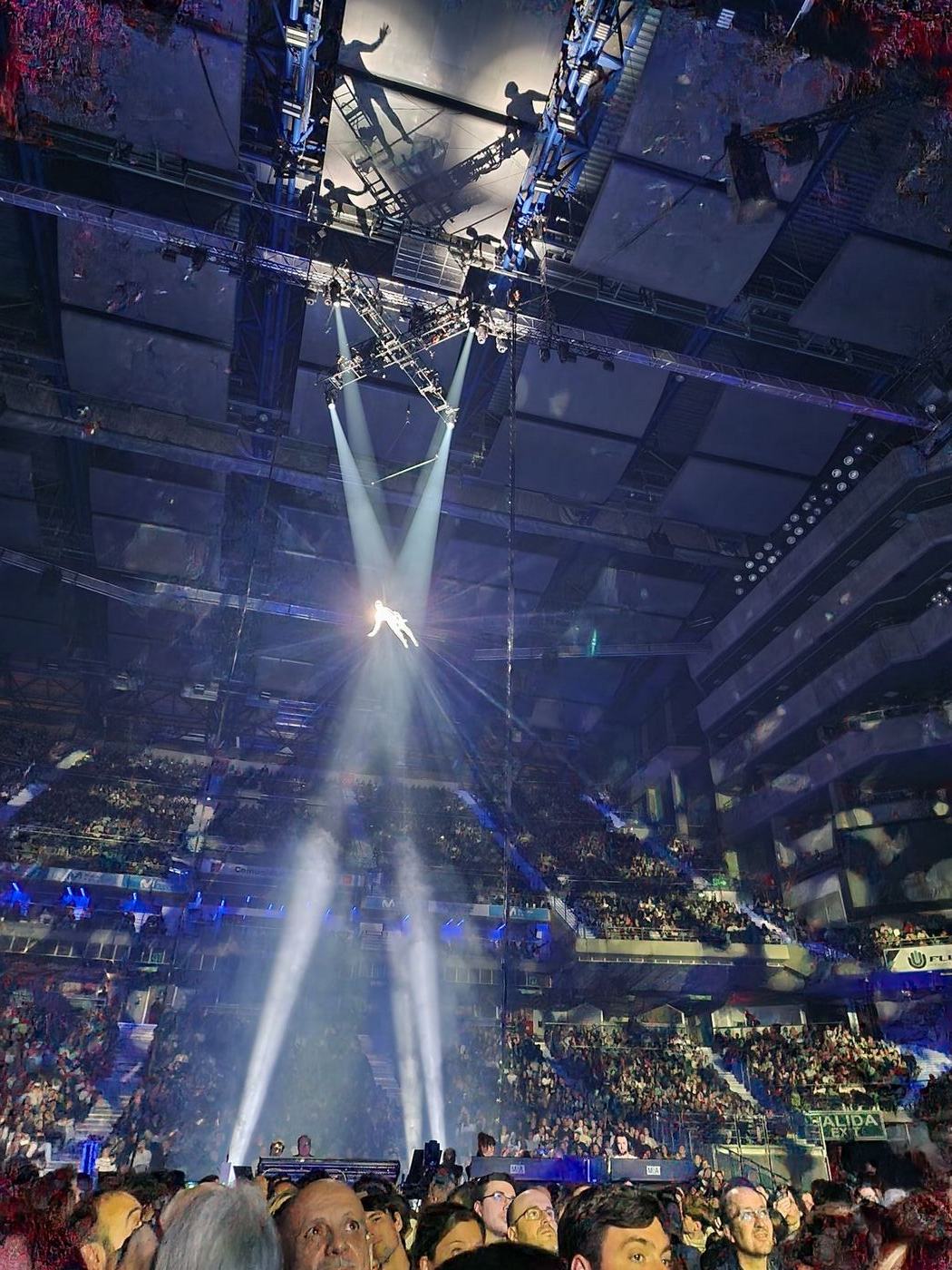
Although there was applause at the end of each piece, here it was certainly more heartfelt than ever.
And from the Universe we moved on to Africa, not without a humorous introduction from the Frankfurt-born artist, who knew that mentioning the continent’s name would immediately make the audience think of Mufasa, Simba and the rest… but no, it wasn’t their turn just yet, which drew laughter and applause.
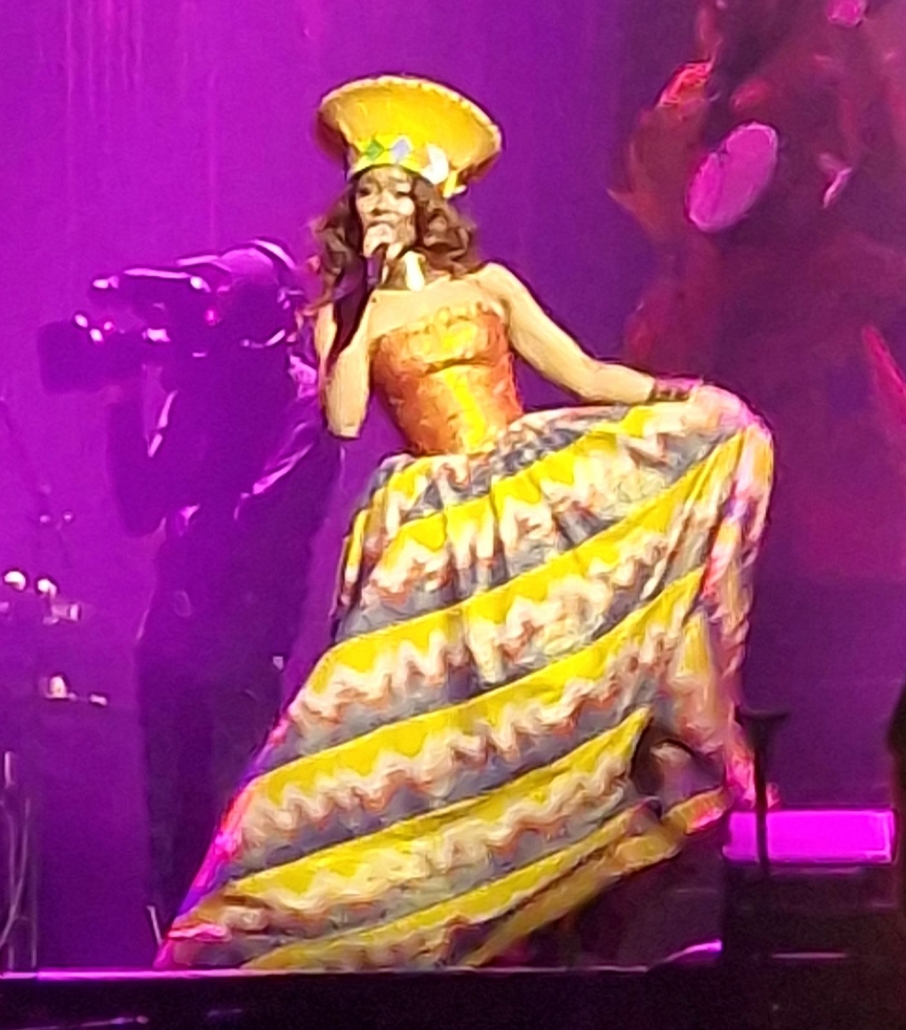
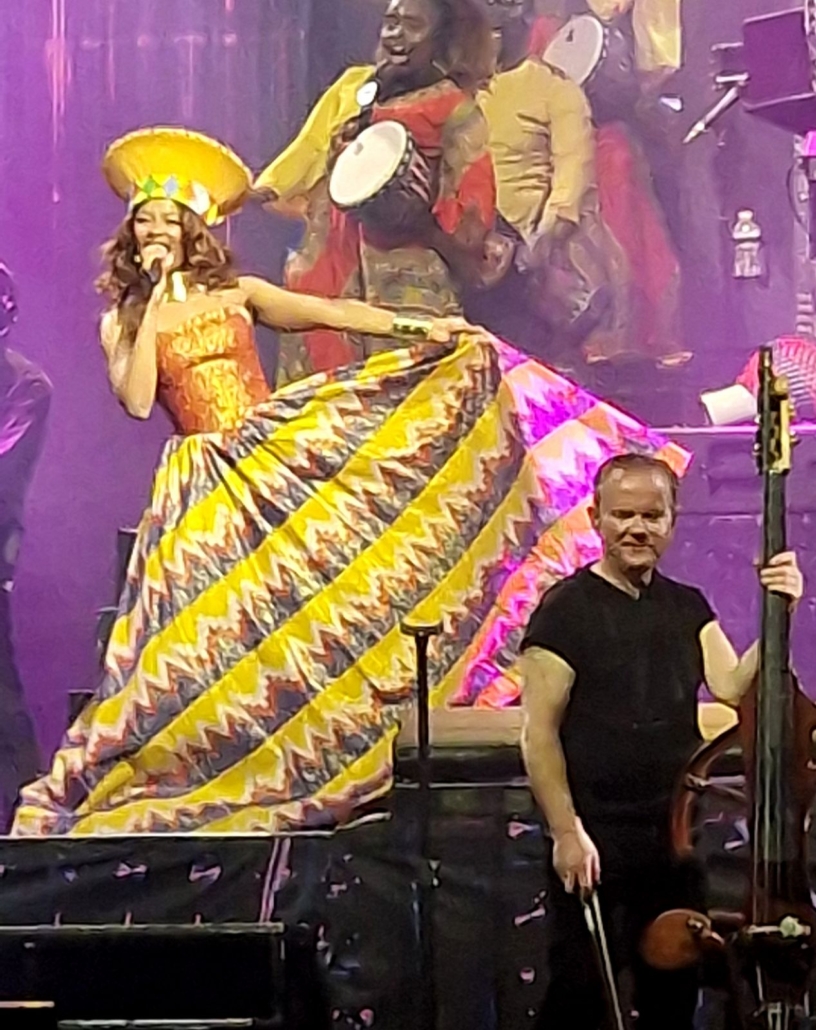
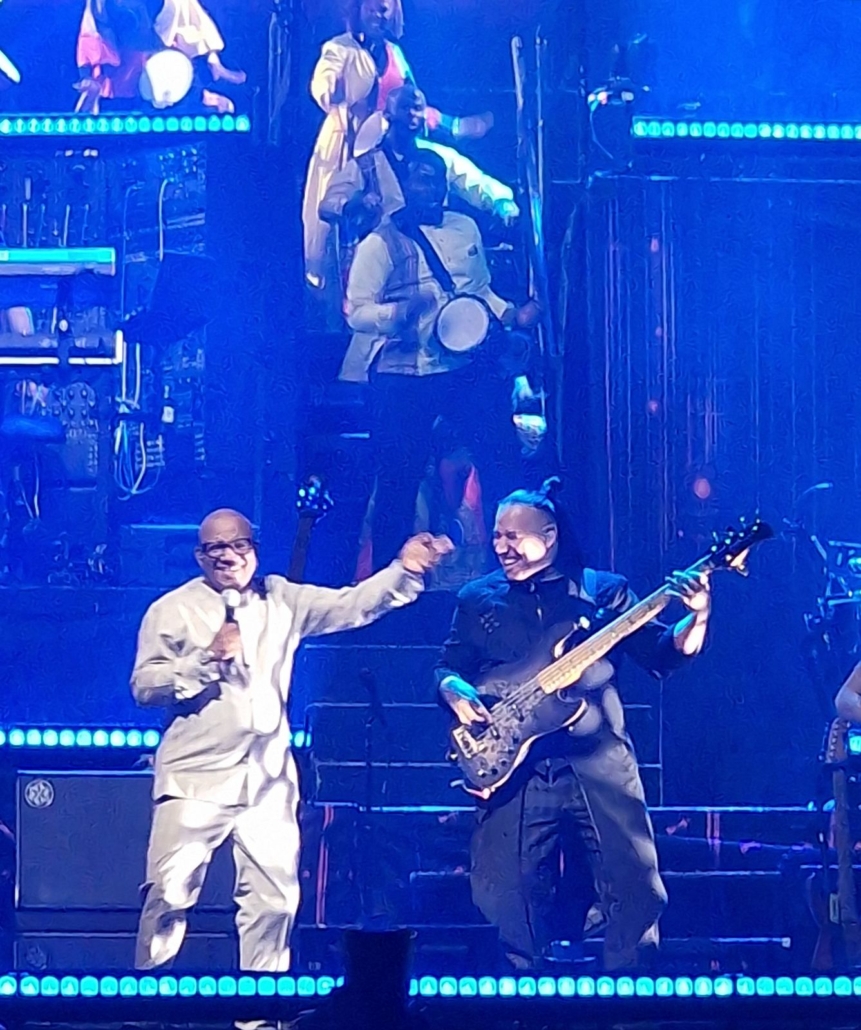
And it wasn’t their moment, because Zimmer treated us to another of the evening’s surprises: a somewhat forgotten score (much like the film for which it was composed), yet one that is magnificent, and which also allowed for the full realisation of another significant solo performance: that of Lebo M (and, of course, the African choir, the Nairobi Chamber Choir).
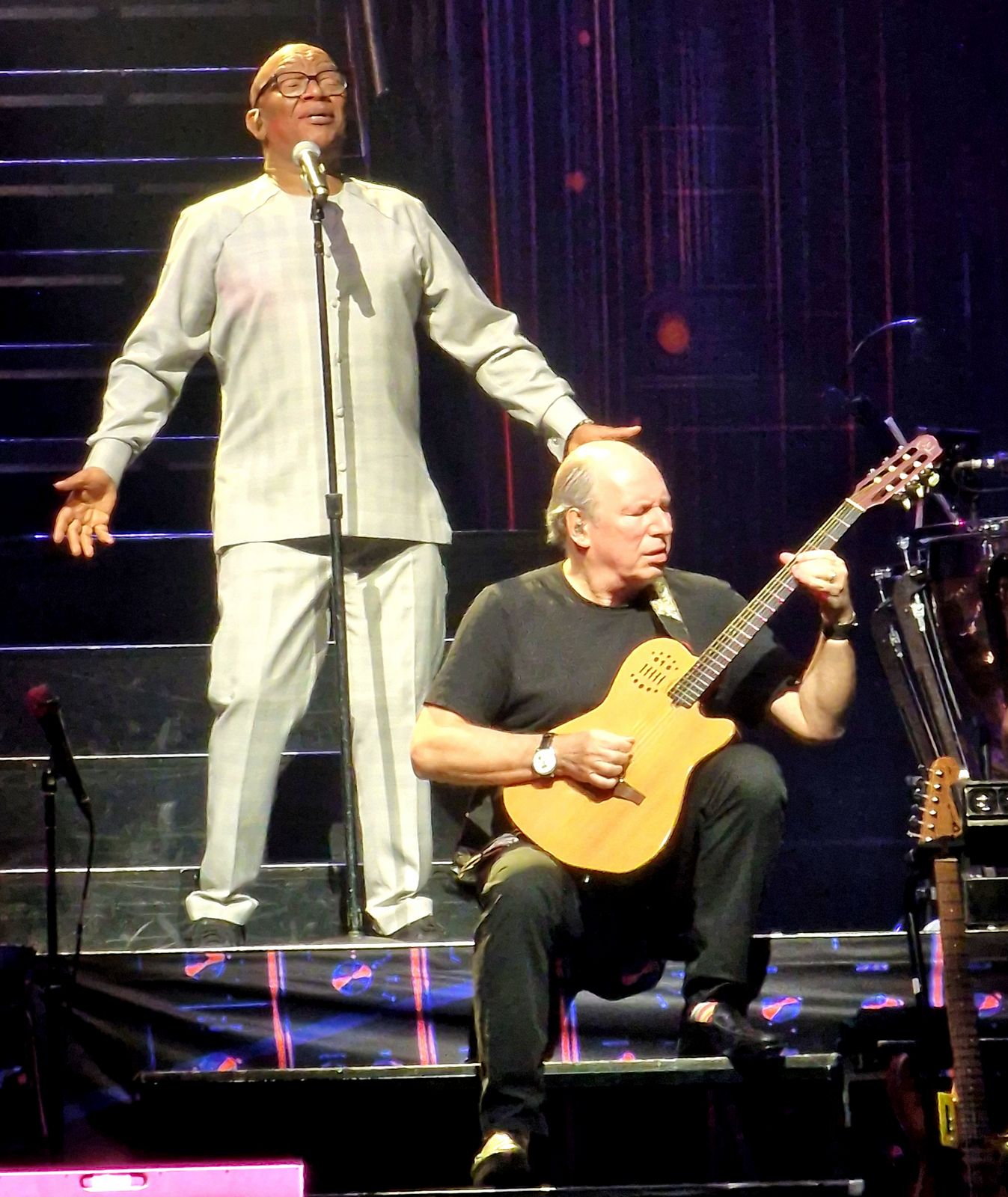
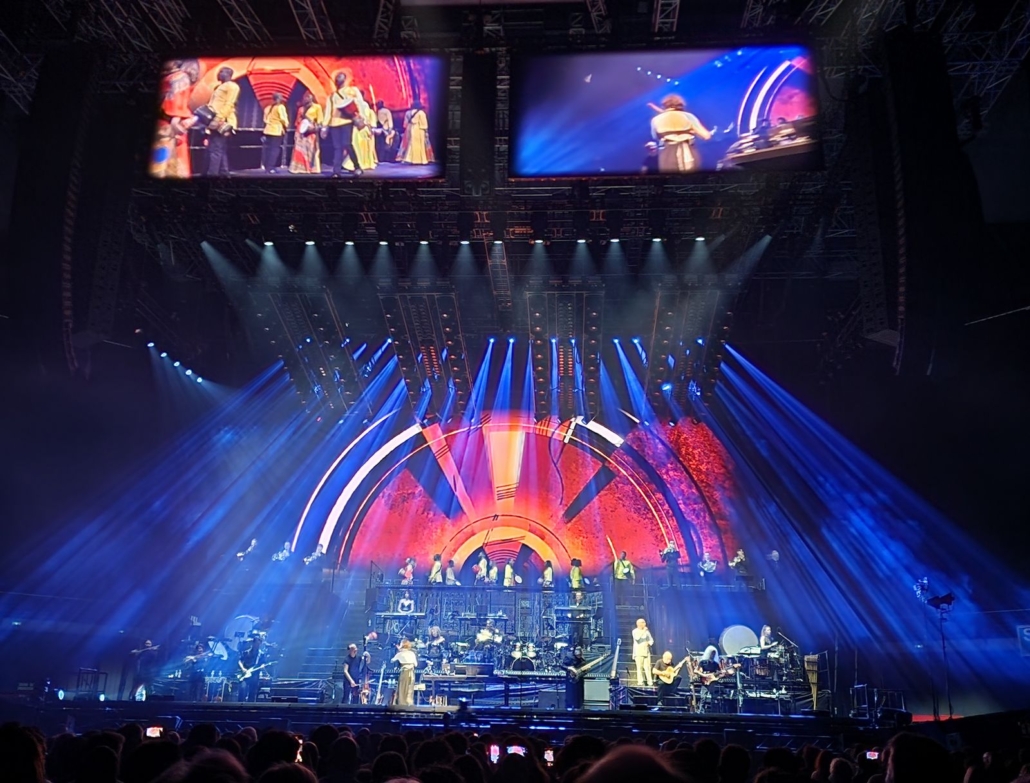
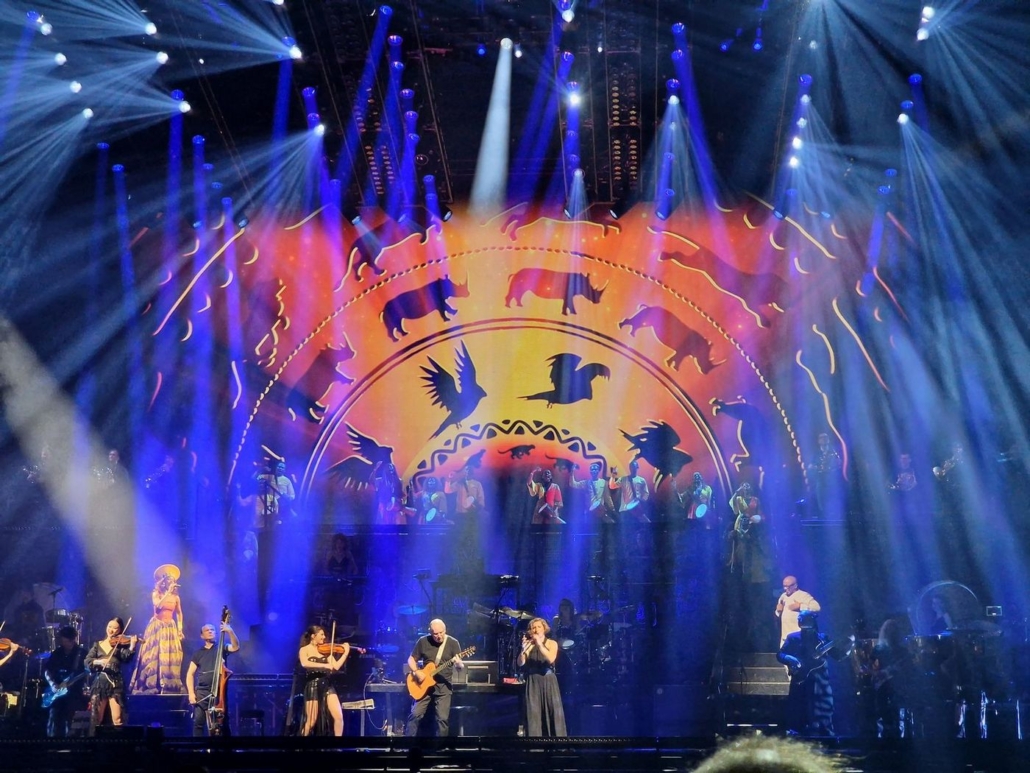
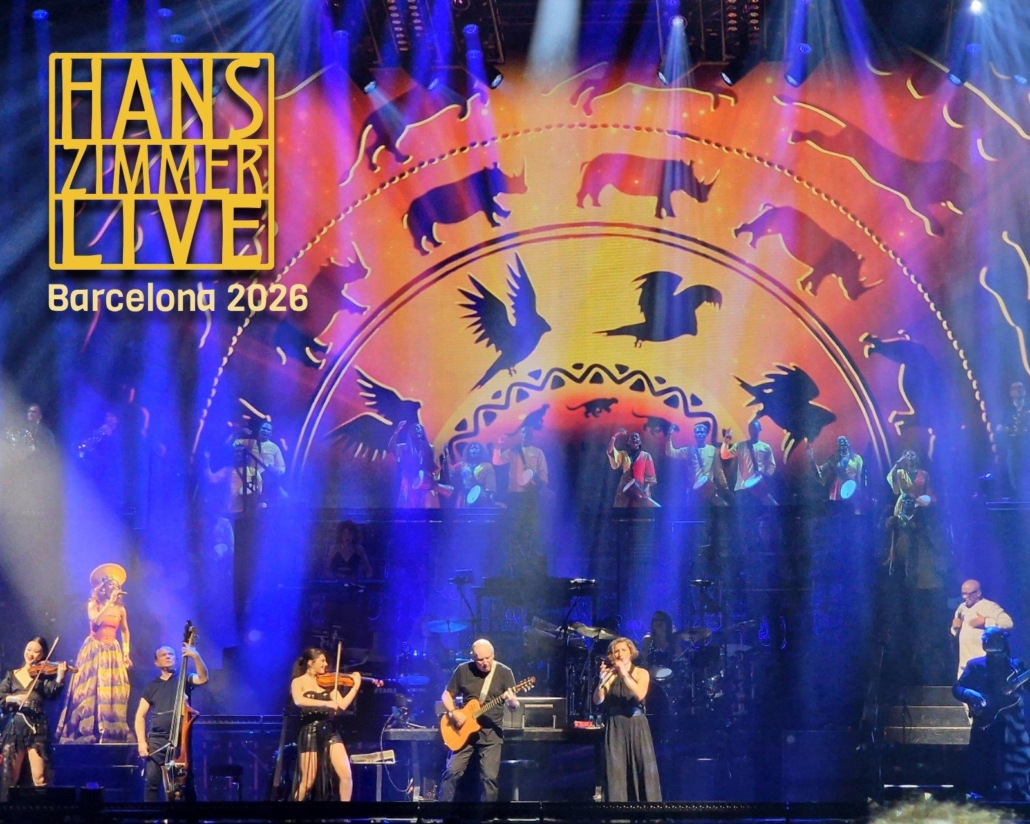
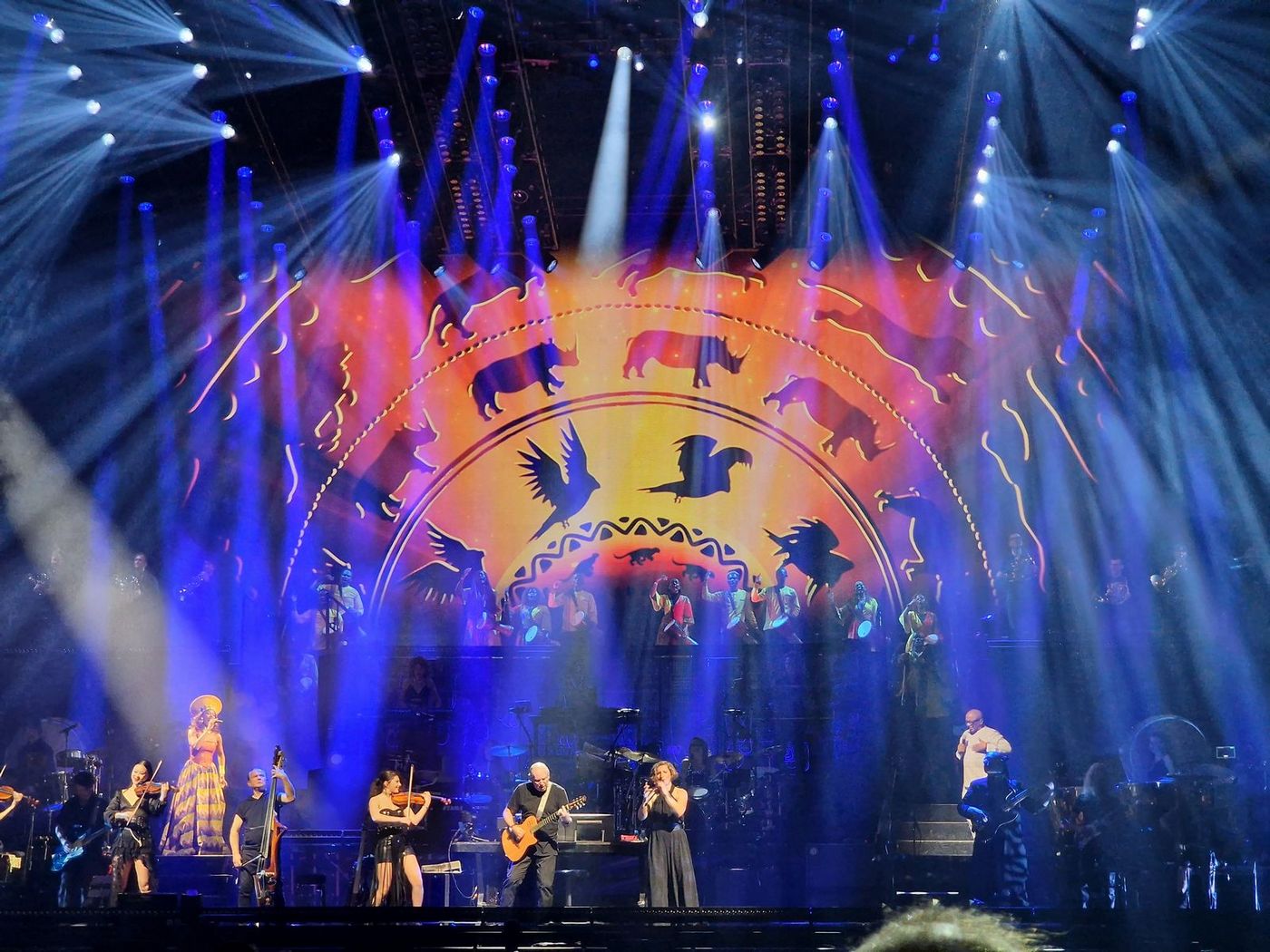
The track ‘The Journey / Kopano Part III’ from Tears of the Sun stands out for its emotional intensity, featuring tribal percussion and vocals (not surprisingly, “Kopano” means “unity” in Sesotho), and managed to transport us to the oranges, reds and golds of a sunrise with elephants or giraffes silhouetted against the horizon, proving that few Western composers possess Zimmer’s ability to connect with African rhythms.
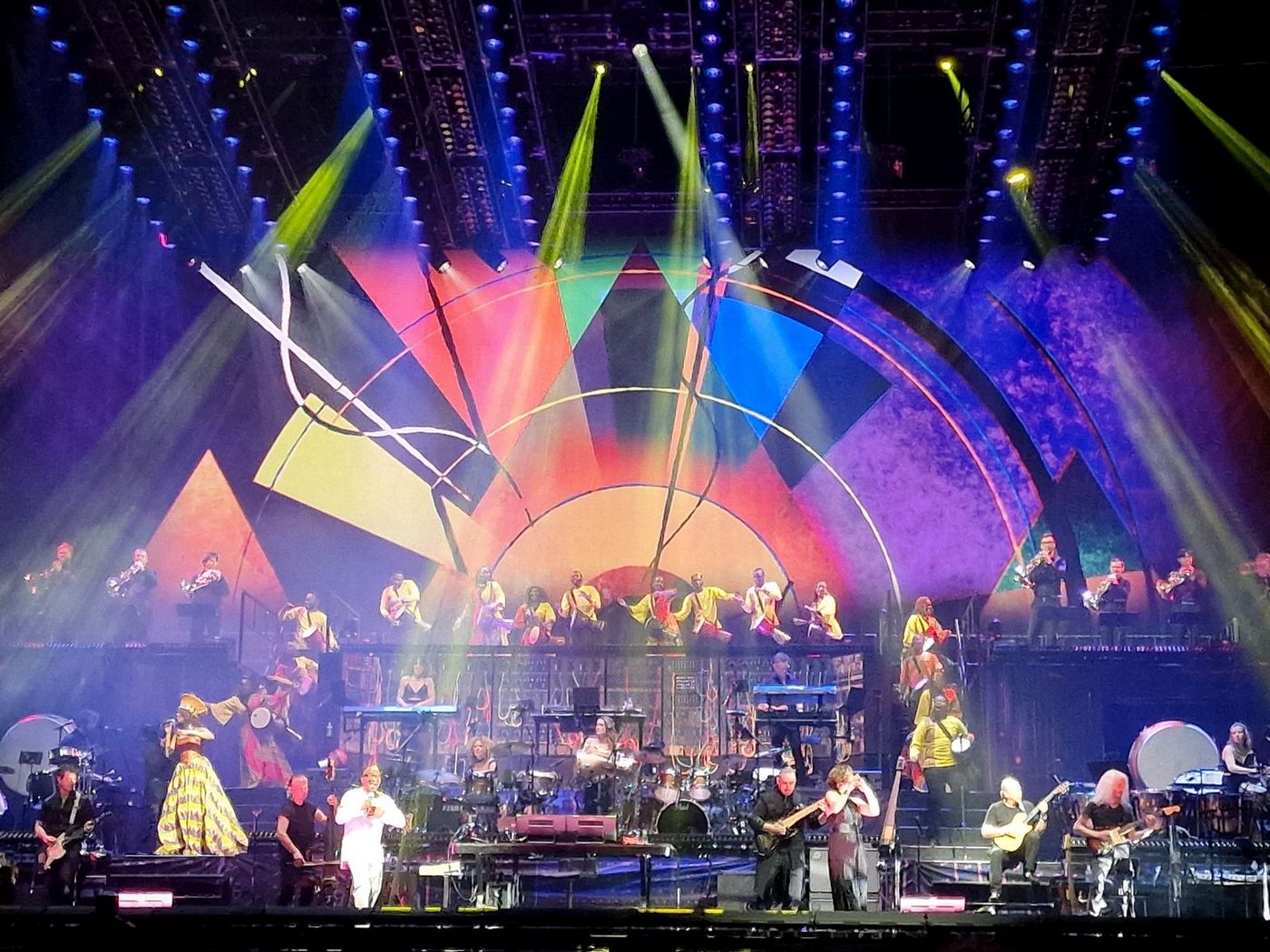
A brilliant introduction to the theme that ultimately led us to the long-awaited kingdom of cinema’s most famous lion, with the “Circle of Life” overture leading the way in The Lion King suite—a comprehensive overview of the best moments from an Oscar-winning score, featuring snippets of the intense and dramatic “Stampede” and the emotional “This Land,” as well as the grandeur and crescendos of “King of Pride Rock.” The staging, with the choir and Lebo M dancing atop a stage “dressed” in projections of colors and shapes that easily transported us to the savanna, was of such caliber that when the piece ended, the feeling was that upon leaving the venue we would see Simba atop Pride Rock at sunset, claiming his place as monarch. A spectacular show that brought the official program to a close.
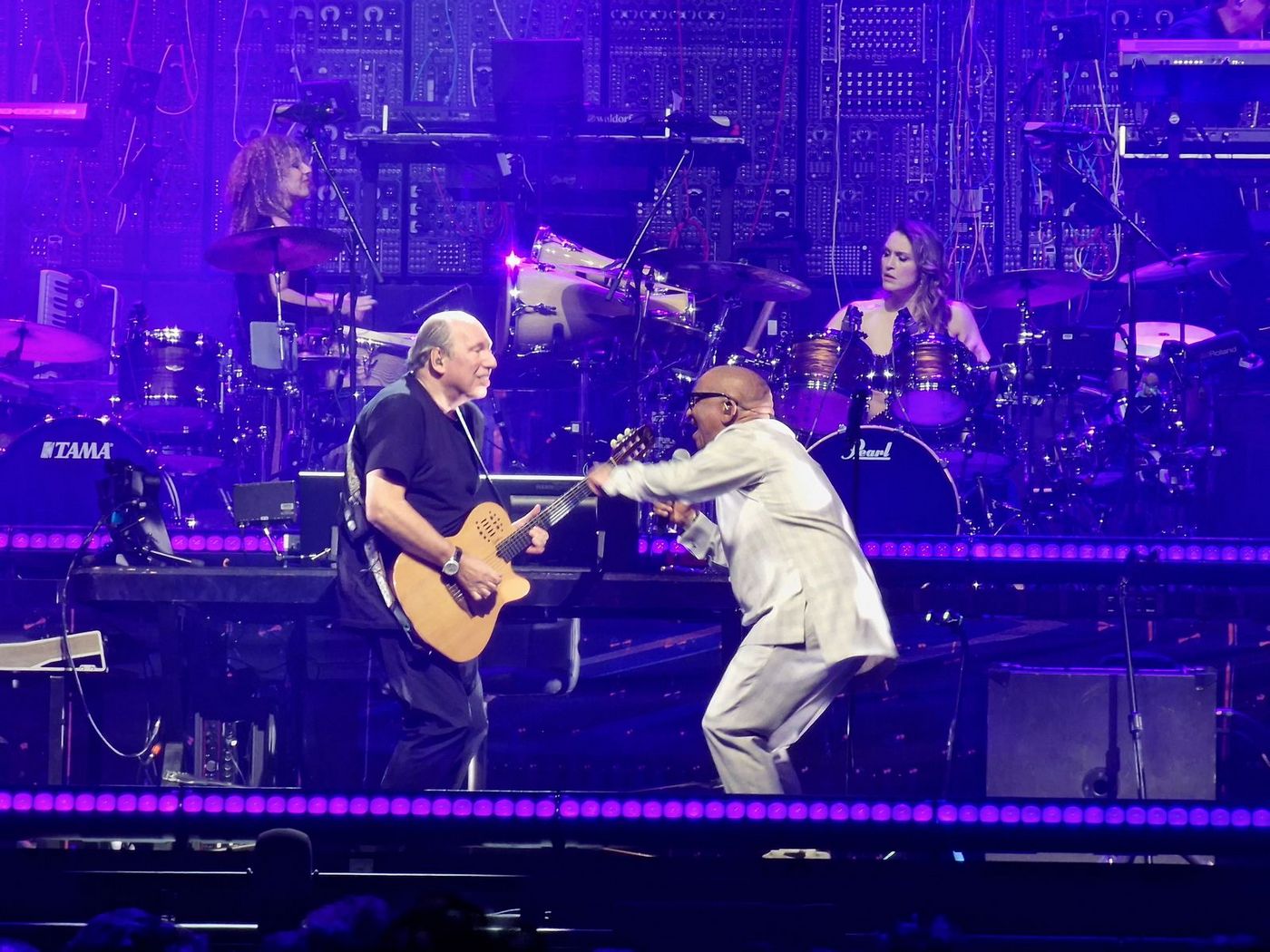
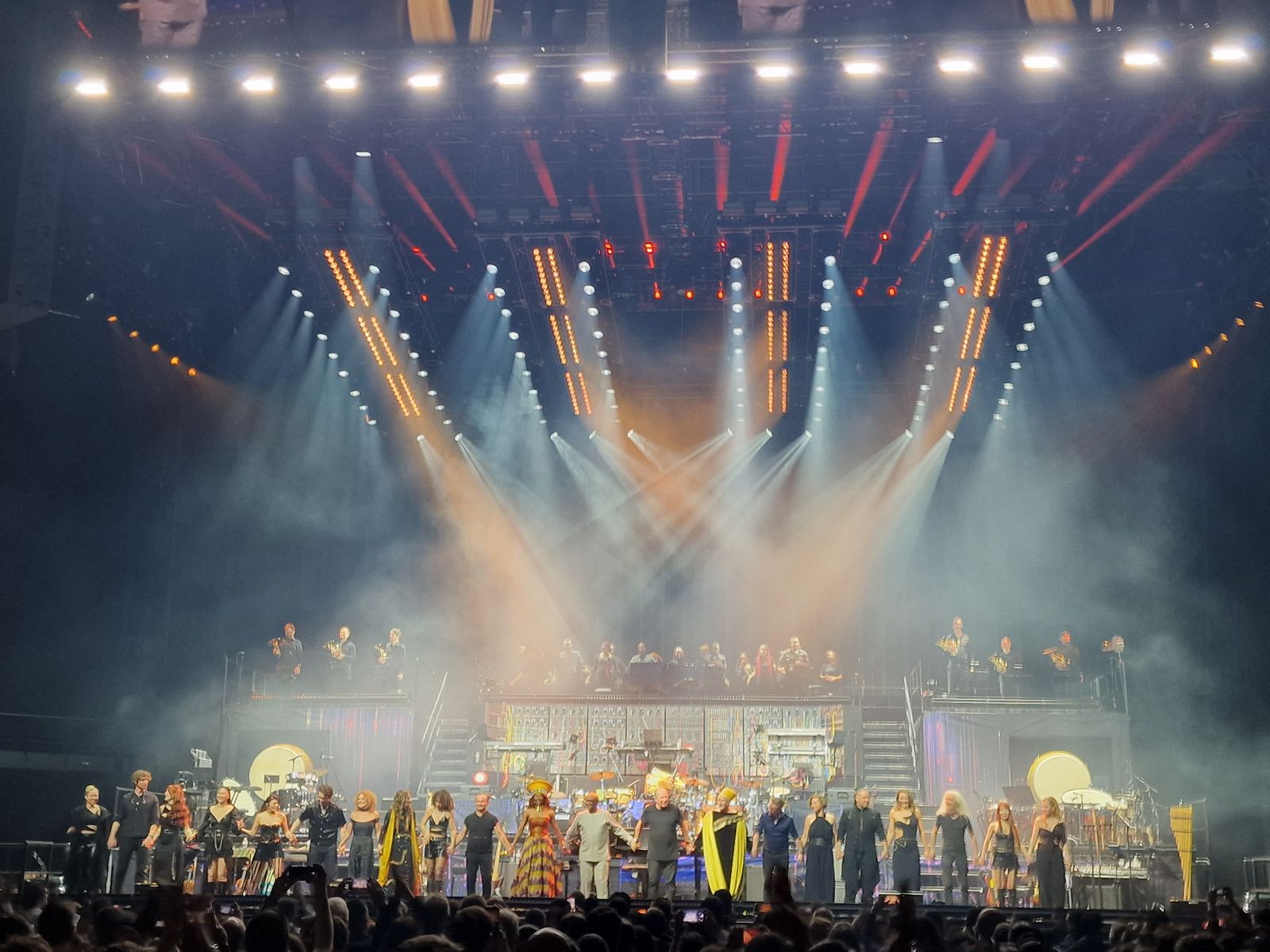
But since Zimmer isn’t one to beat around the bush, his Germanic pragmatism—or a frankly ingenious script idea—led him to skip the usual preliminaries, entering and exiting the stage to the crowd’s cheers demanding more (a refusal to do so that, paradoxically, provoked… the crowd’s cheers)—and instead dive straight into the encores, each one more fitting than the last, though also predictable.
One of the highlights of his career was missing: the Pirates of the Caribbean series. And it was another superb show, full of energy and joy, although to start with, the trio of selected pieces took some creative liberties by reinterpreting his theme for the Kraken from the sequel Dead Man’s Chest, in a version so radically focused on electronic elements that it became something different—an entirely new track with a solo electric guitar—but one that strayed somewhat from the musical spirit of the saga. That was perhaps what convinced me the least about this second part of the concert.
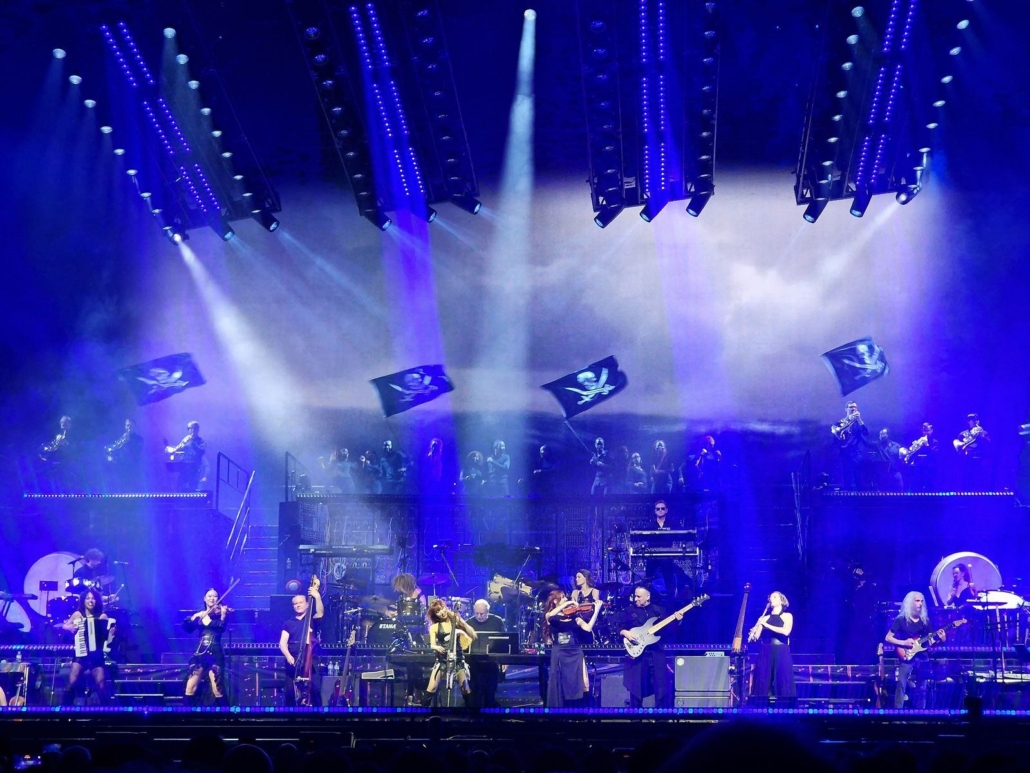
A refreshing interlude before the more familiar medley that followed, featuring Jack Sparrow’s theme—the iconic “He’s a Pirate” from the first film—and, above all, the masterful “One Day” and “Up Is Down,” both from the best soundtrack in the entire saga—that of the third installment, At World’s End—were the ingredients of a veritable pirate feast, in which skull-and-crossbone flags fluttered and danced at the top of the stage, while below, the various soloists came and went, sought each other out, and interacted, delivering a recital brimming with expressiveness and musical vitality.
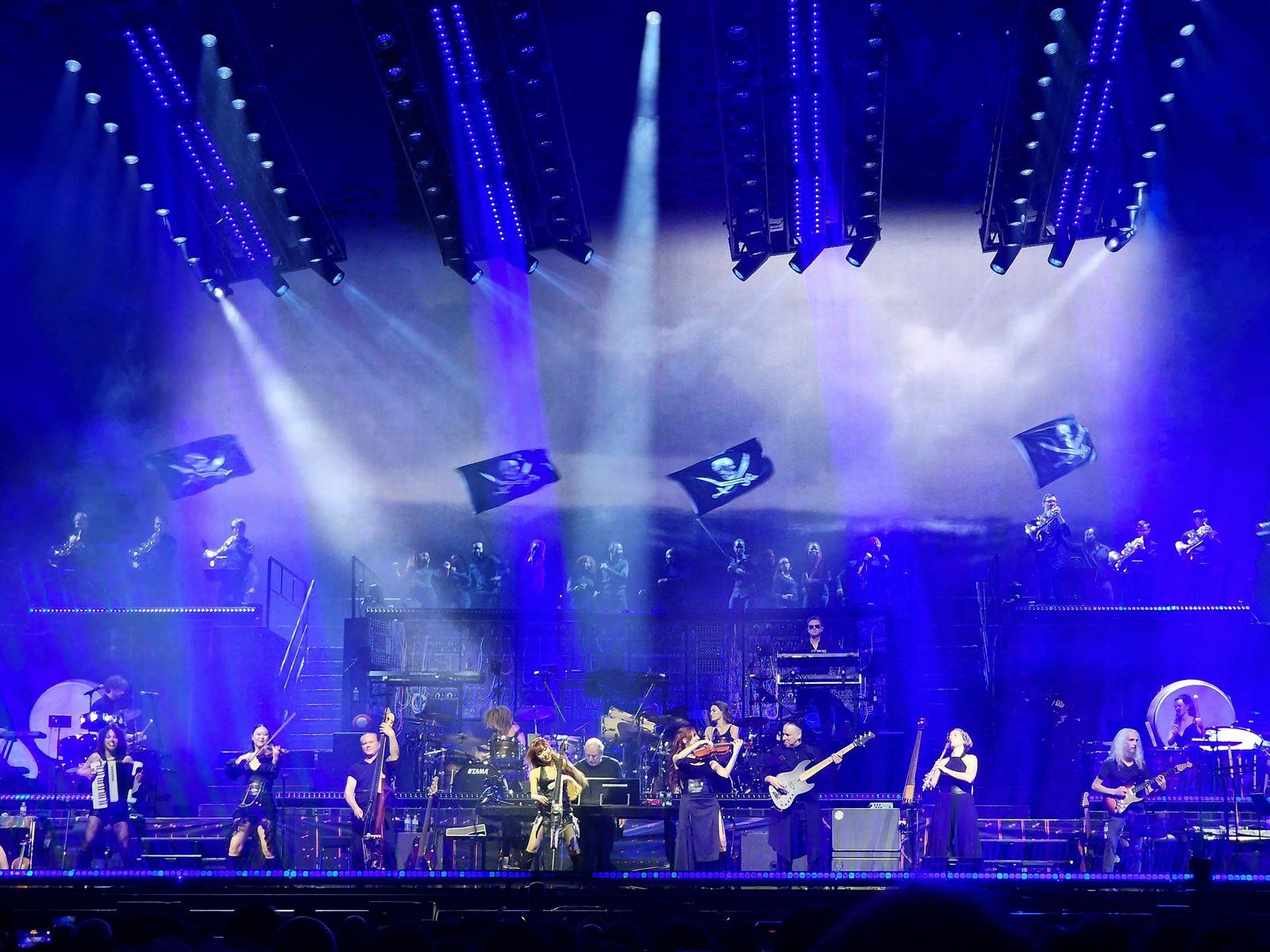
Another great show in its own right, cheered on by an audience that never tired of applauding. Opinions may vary on Zimmer’s approach to pirate film music—so groundbreaking compared to the classics, with Korngold at the forefront—but its popular appeal is beyond doubt, and it possesses a magic on stage.
It would have been a spectacular finale, but Hans Zimmer still had an ace up his sleeve—a much less wild card, yet just as significant, if not more so, within his already extensive film score repertoire—which also made this second half of the concert as circular as many of the composer’s pieces. So, if we began with a disruptive track from Inception, it was only fitting to end with the most representative piece from that same score: the famous “Time.”
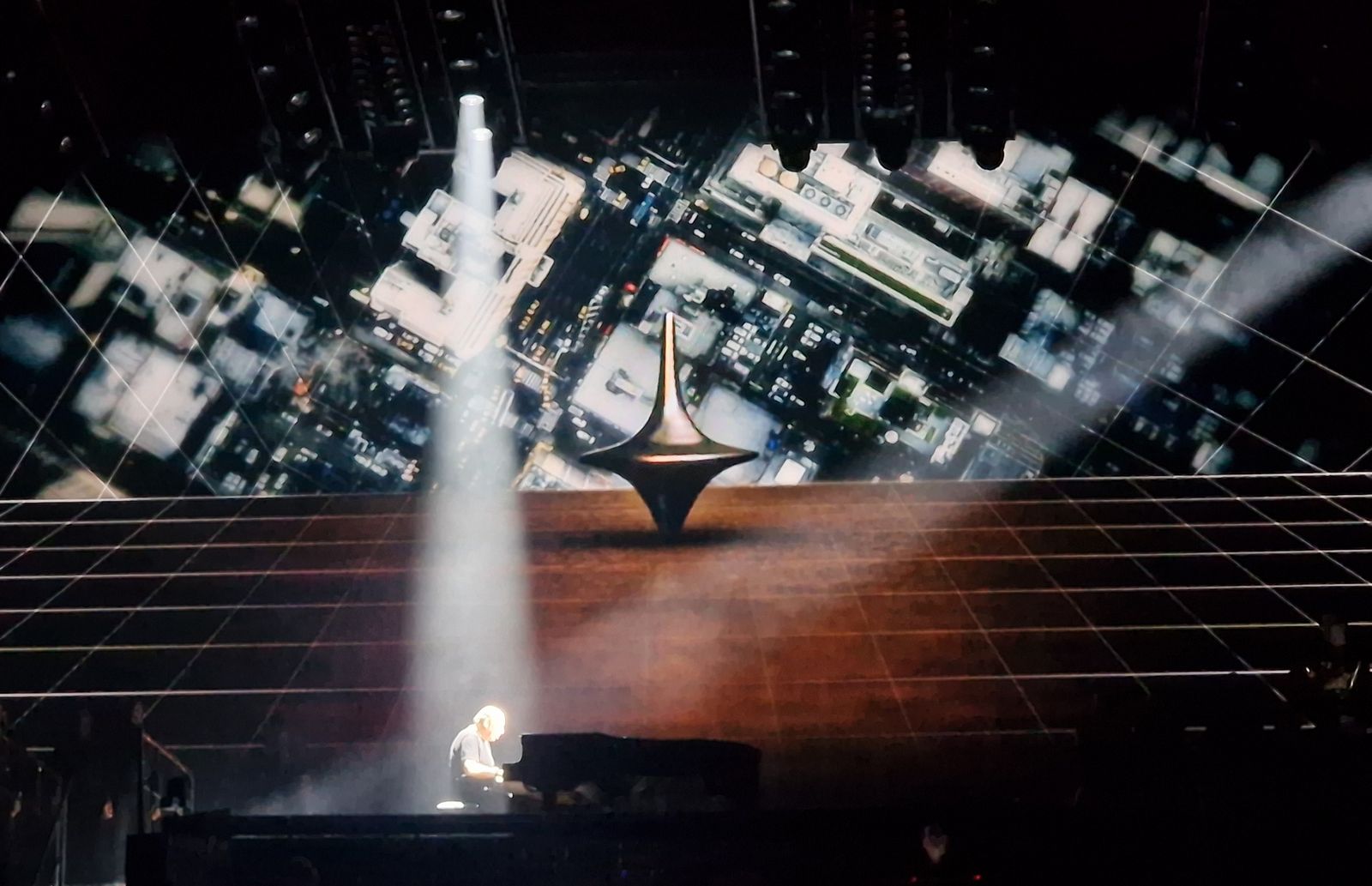
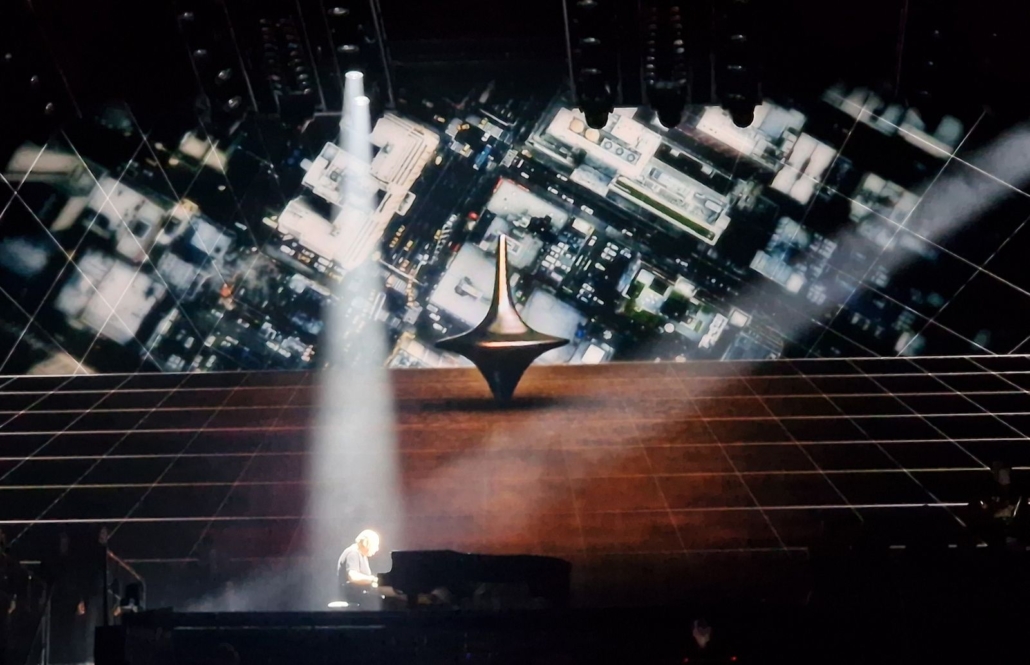
Composed for the film’s end credits, this is a theme of redemption featuring ascending piano motifs layered over organ and strings that build to an orchestral climax. It allowed for a much more intimate staging, with only the famous spinning top—symbolizing the boundary between reality and dreams—projected in the background, and Zimmer playing a grand piano raised high on the stage.
It was the closest thing to stepping into a Zimmerian dream, the perfect finale to an event that goes far beyond being categorized as a film music concert. It is a spectacular show that places Hans Zimmer in a realm of authorship and popularity that transcends cinema and makes him an event by f himself. A formal and compositional showcase designed for the 21st century, where the distinction between writing, arrangement, production, and staging blurs until they become inseparable.
Hans Zimmer at his very best. You have to see it to believe it.
Article by Coque Cano
Pictures by Gorka Oteiza